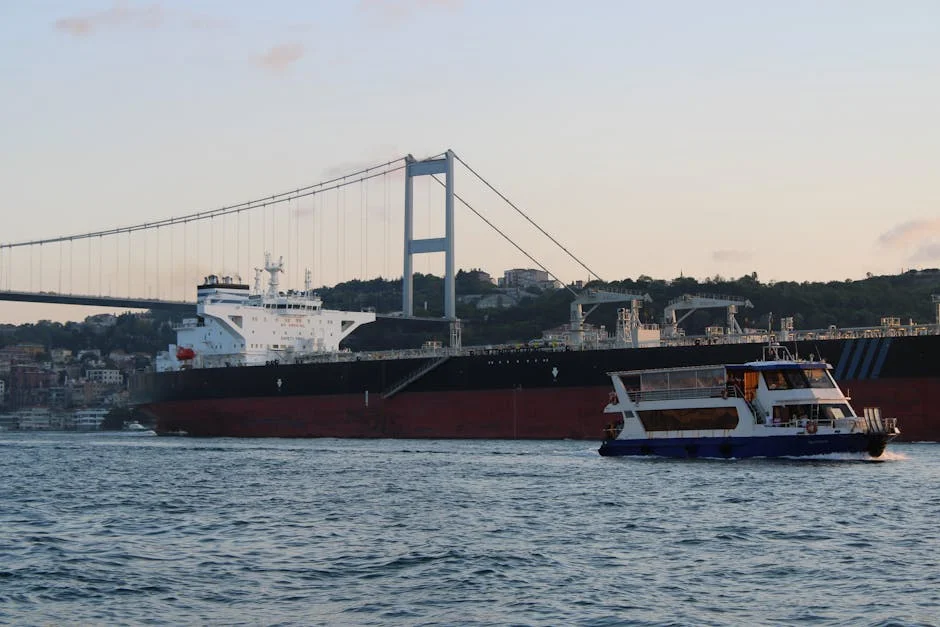
President Donald Trump has called for increased international cooperation to secure the Strait of Hormuz, a vital waterway through which approximately 20% of the world's oil passes. This request comes in light of Iran's recent proposal to enhance security measures in the region, which Trump has outright rejected, citing a need for broader involvement from allied nations.
Rising Stakes in the Strait of Hormuz
The Strait of Hormuz, located between Iran and Oman, is a critical route for oil shipments, making its stability crucial for the global economy. In 2022, oil prices saw significant fluctuations, with Brent crude reaching a high of $120 per barrel due to geopolitical tensions in the region. Trump's insistence on involving more countries could indicate a shift in U.S. foreign policy, aimed at countering Iranian influence while ensuring the uninterrupted flow of oil.
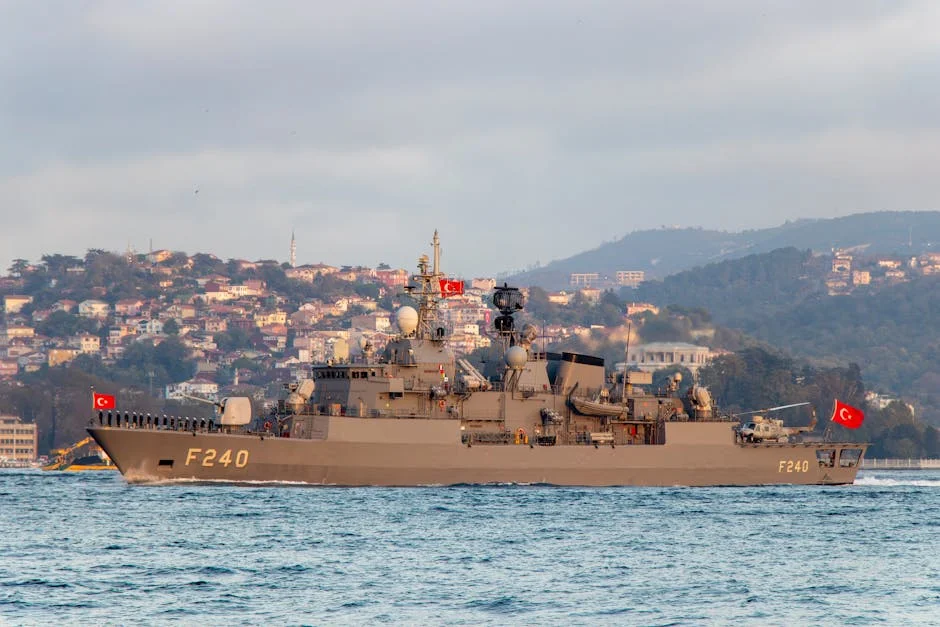
By rejecting Iran's proposal, Trump aims to galvanise support from countries such as Saudi Arabia and the UAE, who have vested interests in maintaining security in the Gulf. The potential for increased military presence from allied nations may deter Iranian aggression but could also escalate tensions further.
Market Implications of Trump's Strategy

Financial markets are reacting to Trump's announcement with caution. Oil prices have already begun to edge higher, reflecting concerns over possible disruptions in the Strait. Analysts predict that if tensions escalate, we could see a spike in prices, affecting not just oil companies but also consumers worldwide.
Companies that depend on stable oil prices, such as airlines and transport firms, are likely to experience increased operating costs. This can lead to higher prices for consumers, triggering inflationary pressures in various economies. Investors are advised to monitor developments closely, as any significant military action in the region could lead to volatility in global markets.
Iran's Position and Regional Dynamics
Iran's government has expressed disappointment over Trump's rejection of their security proposal, indicating a potential for further discord. Iranian officials argue that their plan could enhance stability and reduce tensions in the Gulf. However, Trump's administration believes that Iran's past actions undermine any trustworthiness in their proposals.
The dynamics in the region are further complicated by the upcoming presidential elections in the United States, which may influence Trump's approach to foreign policy. Market participants should be aware of how domestic political shifts could affect U.S. engagement strategies in the Middle East.
What to Watch Next
As the situation develops, investors should keep an eye on oil price movements and any statements from U.S. officials regarding military commitments in the region. Additionally, the response from Iran and its allies will be crucial in determining the next steps, and whether further escalation occurs. The upcoming months could prove pivotal, with potential implications for global oil supply and economic stability.