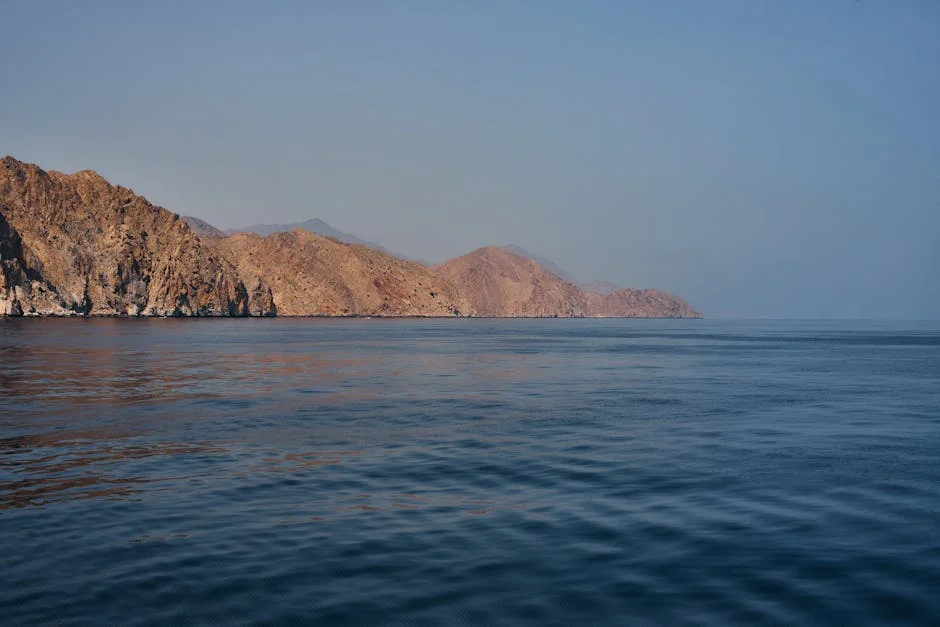
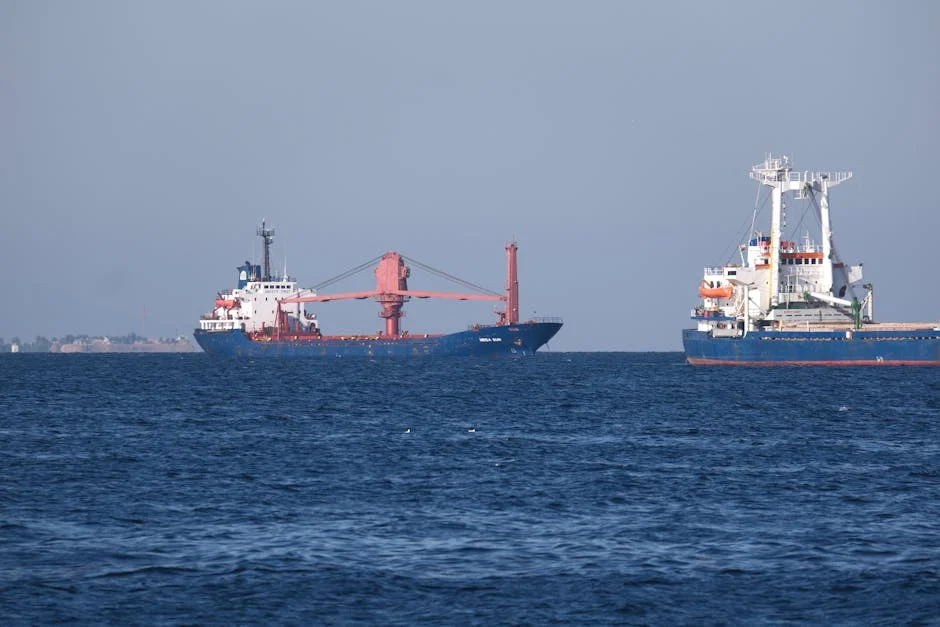
In a surprising diplomatic move, Iran has proposed reopening the Strait of Hormuz without requiring a nuclear deal, a decision that could significantly impact global oil markets. This strategic waterway, through which nearly 20% of the world's oil passes, has been a focal point of geopolitical tensions. Iran's offer opens the door for increased crude oil shipments, which could stabilise supply chains and influence energy prices worldwide.
Understanding the Strait of Hormuz's Importance
The Strait of Hormuz, located between the Persian Gulf and the Gulf of Oman, is a critical maritime chokepoint. It connects major oil-producing countries with global markets. Any disruption in this corridor can lead to volatility in oil prices, affecting economies dependent on energy imports, including Singapore.
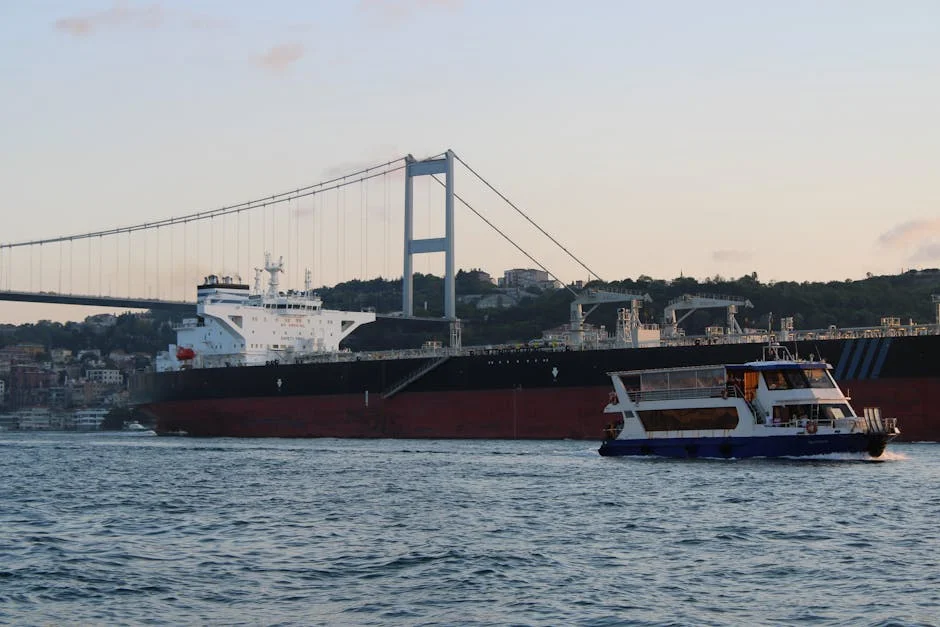
Historically, tensions in the region have led to price spikes. For instance, during heightened tensions last year, oil prices surged by as much as 5% within hours. Iran's latest offer could potentially mitigate such abrupt price changes, providing relief to global markets.
Impact on Global and Regional Markets


Economic Ramifications
If Iran’s proposal materialises, it could ease current supply constraints and decrease the oil price volatility that has plagued markets. A stable oil market benefits consumer economies by reducing energy costs, thereby facilitating economic growth.
For Singapore, a country with no natural oil resources, the decision could lower import costs and support sectors reliant on stable energy prices, such as manufacturing and transportation. This move would be closely observed by the Monetary Authority of Singapore to gauge inflationary pressures.
Investor Reactions
Investors are likely to view this development positively, potentially leading to increased confidence in energy stocks. Companies like ExxonMobil and BP could see stock prices rise as a result of expected higher output. Additionally, shipping companies operating in the region might experience a boost in activity, opening up new investment opportunities.
Potential Challenges and Considerations
Despite the positive outlook, there are concerns about Iran's compliance with international norms and the potential for future tensions. The absence of a nuclear agreement remains a sticking point for Western powers, who may be cautious about fully endorsing Iran's offer.
Furthermore, the geopolitical landscape in the Middle East is complex. Any unilateral actions by Iran could provoke regional powers and escalate conflicts, thereby negating potential economic benefits.
What to Watch Next
As Iran's proposal unfolds, stakeholders will be closely monitoring diplomatic responses from key players like the United States and the European Union. Any formal agreements or shifts in policy could have immediate ramifications on global trade and investment trends.
Looking ahead, the next few months will be critical in determining the stability of global oil markets. Investors and businesses should prepare for potential developments that could either bolster or unsettle current economic conditions. Observers will also watch for any changes in shipping patterns through the Strait of Hormuz, as these will serve as a barometer of global trade health.