The United Nations has launched a series of reform proposals aimed at tackling three interrelated global challenges, which could have profound economic implications. On October 15, at the UN headquarters in New York, Secretary-General António Guterres outlined these reforms designed to address climate change, pandemic recovery, and sustainable development. These proposals aim to realign economic policies that directly impact global markets and investors.
Context and Objectives of the Reforms
The UN's reform agenda seeks to create a framework that addresses the interconnectedness of global challenges. The initiative is rooted in the belief that current economic systems need a significant overhaul to support sustainable and equitable growth. Guterres highlighted the urgent need for a collaborative approach, stating that isolated efforts would not suffice.

Historically, the UN has been a platform for multilateral dialogue, but its effectiveness in driving actionable policies has been questioned. This reform seeks to leverage the UN's influence to enact policies that can stabilise and rejuvenate markets worldwide, particularly in emerging economies like Singapore, which depend heavily on global trade and investment flows.
Potential Market Impacts
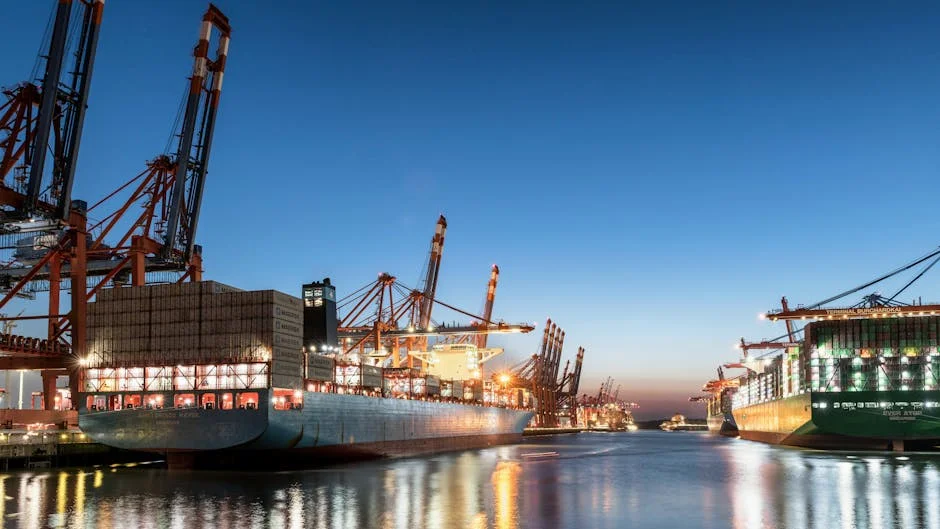

The proposed reforms could potentially reshape global trade practices. By prioritising sustainable development, businesses might face stricter regulations and reporting requirements. This shift could initially increase operational costs but may lead to longer-term benefits, such as enhanced brand reputation and consumer trust.
Investors are likely to scrutinise the proposed changes closely, as these could affect market stability and investment returns. A focus on climate resilience and sustainable practices might lead to a reallocation of capital, favouring companies with robust environmental, social, and governance (ESG) practices.
Challenges in Implementation
The path to implementing these reforms is fraught with challenges. Resistance from countries with differing economic priorities could stall progress. Moreover, aligning international policies with national interests requires delicate negotiation and compromise.
Economic Concerns
Countries heavily reliant on fossil fuels, such as Qatar and Russia, might oppose aspects of the reforms related to climate change mitigation. This opposition could create tension within international markets, affecting commodity prices and investment flows.
Additionally, the cost of transitioning to new economic models could burden developing nations that lack the necessary infrastructure or financial resources, potentially widening the economic divide if not managed carefully.
What to Watch Next
As the UN pushes forward with its reform agenda, key stakeholders in global markets will need to monitor the negotiations closely. The next UN General Assembly session, scheduled for March 2024, will be crucial in determining the level of consensus these reforms can achieve.
Businesses and investors should prepare for potential regulatory changes and assess their ESG strategies to align with the anticipated policy shifts. Observing how these reforms are received by major economies will offer insights into future market dynamics and investment opportunities.
Frequently Asked Questions
What is the latest news about un reform proposals aim to reshape global markets but challenges loom?
The United Nations has launched a series of reform proposals aimed at tackling three interrelated global challenges, which could have profound economic implications.
Why does this matter for economy-business?
These proposals aim to realign economic policies that directly impact global markets and investors.Context and Objectives of the ReformsThe UN's reform agenda seeks to create a framework that addresses the interconnectedness of global challenges.
What are the key facts about un reform proposals aim to reshape global markets but challenges loom?
Guterres highlighted the urgent need for a collaborative approach, stating that isolated efforts would not suffice.Historically, the UN has been a platform for multilateral dialogue, but its effectiveness in driving actionable policies has been quest
Moreover, aligning international policies with national interests requires delicate negotiation and compromise.Economic ConcernsCountries heavily reliant on fossil fuels, such as Qatar and Russia, might oppose aspects of the reforms related to climate change mitigation. This opposition could create tension within international markets, affecting commodity prices and investment flows.Additionally, the cost of transitioning to new economic models could burden developing nations that lack the necessary infrastructure or financial resources, potentially widening the economic divide if not managed carefully.What to Watch NextAs the UN pushes forward with its reform agenda, key stakeholders in global markets will need to monitor the negotiations closely.