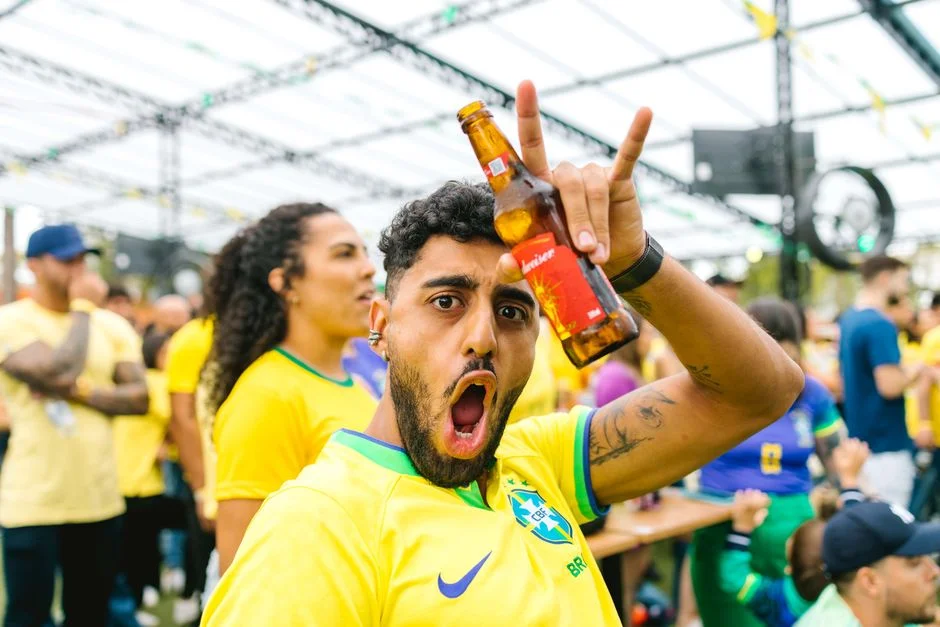
Madrid is abuzz this week as it hosts one of the most anticipated events in European football: the semi-final clash of the Liga dos Campeões. The match between two football giants is set to take place on 15 May at the Santiago Bernabéu Stadium. This event not only captivates sports fans but also has significant economic implications as businesses and investors eye opportunities.
Madrid's Economic Windfall
The influx of fans and media is expected to inject millions into the local economy. Hotels are reportedly at full capacity, and restaurants are preparing for a surge in customers. According to the Madrid Chamber of Commerce, the match could generate up to 50 million euros in economic activity for the city.
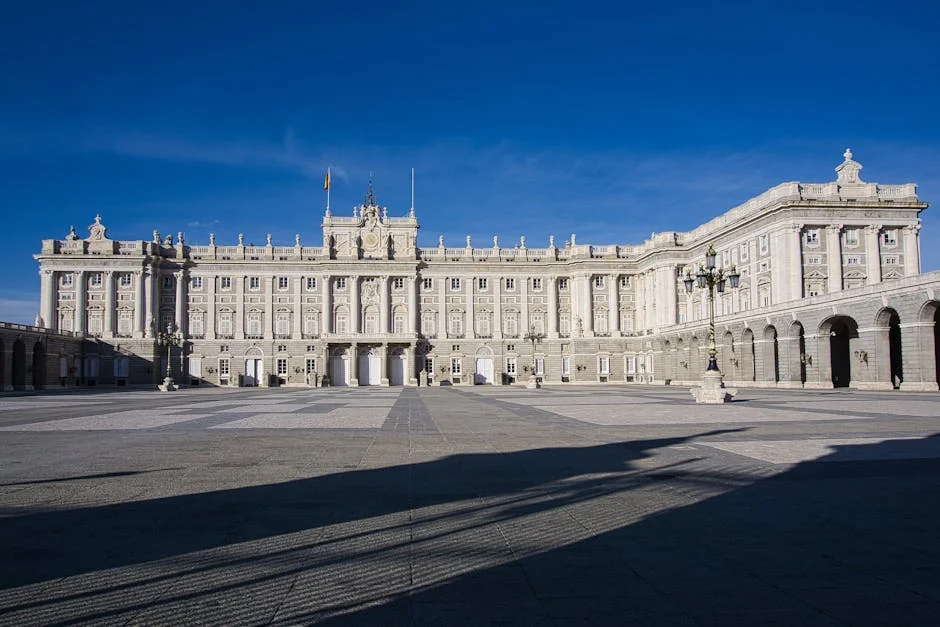
This significant boost is particularly welcome after a challenging period for the hospitality sector, which faced numerous setbacks during the pandemic. The city's ability to host such a high-profile event demonstrates its resilience and appeal as a prime location for international events.
Investment Opportunities and Market Reactions


Beyond local businesses, the event has caught the attention of investors. The tourism and hospitality sectors are expected to see a rise in stock prices as anticipation builds. Companies like NH Hotel Group and Meliá Hotels International are already experiencing increased interest from investors looking to capitalise on the event-driven economic uptick.
Moreover, the visibility provided by hosting such a prominent event can lead to longer-term investment in the region. Real estate developers, in particular, are watching closely, as increased tourism can drive demand for both commercial and residential properties in the area.
The Global Reach of the Liga dos Campeões
While the local economy gains immediate benefits, the Liga dos Campeões also impacts the broader European market. Broadcasting rights and sponsorship deals associated with the league bring in substantial revenue. UEFA, the governing body for European football, has reported annual revenues exceeding 3 billion euros from such deals, illustrating the league's global financial reach.
These financial flows contribute to the growth of the sports economy and create a ripple effect across various sectors, including media, advertising, and technology, as companies engage with a global audience.
What's Next for Madrid and Investors
As the final whistle approaches, the focus will shift to the upcoming final match and its location, which is yet to be announced. Investors and businesses will continue to monitor these developments closely, as each stage of the Liga dos Campeões presents unique opportunities.
For Madrid, successfully hosting the semi-final positions the city as a viable candidate for future events, potentially leading to sustained economic benefits. Stakeholders will be keen to see if the positive economic trends continue, setting a precedent for future international sporting events in the city.
See Also
- Dangote Named In TIME 100 Most Influential People For 2026 — What It Means For Africa's Economy
- Neves Slams Police Infrastructure Deterioration Amid Funding Frustrations