The International Football Association Board (IFAB) has announced a new directive that will see players receiving red cards for covering their mouths while speaking during matches. The decision, revealed ahead of the upcoming Mundial, aims to promote transparency and fairness on the field. This rule change could have ripple effects on various stakeholders, from broadcasters to advertisers.
Context and Implementation of the Rule
The IFAB, the global authority on football rules, introduced this new measure to enhance communication clarity during games. Starting from the next Mundial, players will face immediate expulsion for obscuring their mouths when speaking to teammates or officials. This is a shift from previous practices where players often covered their mouths to prevent lip-reading by opponents or cameras.
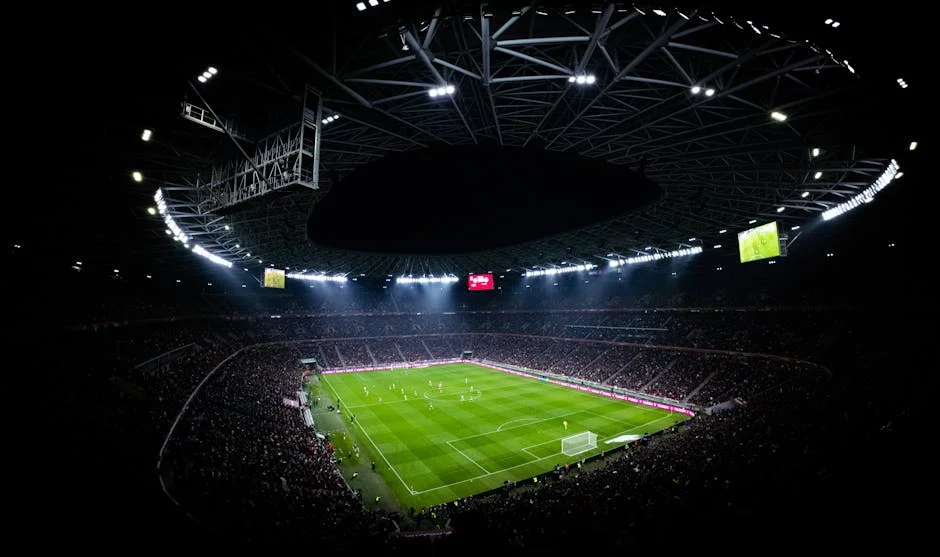
The decision was made in Zurich, Switzerland, where the IFAB convened last month. The introduction of this rule coincides with increased scrutiny over player behaviour and the desire to maintain the integrity of the sport. By enforcing visible communication, the IFAB hopes to reduce misunderstanding and misconduct on the pitch.
Economic Implications for Markets and Businesses

The decision by the IFAB is expected to impact markets, particularly those related to sports broadcasting and merchandising. With players now required to communicate openly, broadcasters may find it easier to capture and analyse player interactions, providing richer content for viewers. This could potentially increase viewership and advertising revenues.
For businesses, especially those involved in sportswear and merchandise, there might be a surge in demand for products related to the Mundial. Fans may be more inclined to purchase jerseys and memorabilia, knowing that players will be engaging more openly on the field, which could enhance the emotional connection between teams and their supporters.
Investment Perspective: Opportunities and Risks
Investors might see new opportunities in technology startups that specialise in real-time analytics and broadcast enhancements. Companies that can develop solutions to better capture and interpret on-field communication might be in high demand. This trend could also lead to increased investments in augmented reality technologies that provide deeper insights during live broadcasts.
However, there are potential risks if the enforcement of this rule leads to controversy or backlash from players and fans. Any perception of unfairness or excessive punishment could damage the sport's reputation, affecting sponsorships and partnerships that are sensitive to public opinion.
What to Watch Next
As the Mundial approaches, all eyes will be on how effectively this new rule is implemented and enforced. Key stakeholders will be observing whether the rule enhances the quality and integrity of the sport or if it faces resistance from the football community. Companies involved in broadcasting and sports analytics should prepare for potential shifts in viewer engagement and adapt their strategies accordingly.
Frequently Asked Questions
What is the latest news about international football board bans covered mouth talk red card penalties loom?
The International Football Association Board (IFAB) has announced a new directive that will see players receiving red cards for covering their mouths while speaking during matches.
Why does this matter for culture-arts?
This rule change could have ripple effects on various stakeholders, from broadcasters to advertisers.Context and Implementation of the RuleThe IFAB, the global authority on football rules, introduced this new measure to enhance communication clarity
What are the key facts about international football board bans covered mouth talk red card penalties loom?
This is a shift from previous practices where players often covered their mouths to prevent lip-reading by opponents or cameras.The decision was made in Zurich, Switzerland, where the IFAB convened last month.
This trend could also lead to increased investments in augmented reality technologies that provide deeper insights during live broadcasts.However, there are potential risks if the enforcement of this rule leads to controversy or backlash from players and fans. Key stakeholders will be observing whether the rule enhances the quality and integrity of the sport or if it faces resistance from the football community.