On 1 April, Chief Vijay of the Tamilaga Vettri Kazhagam cast his vote in Chennai during the Tamil Nadu Polls 2026, marking a pivotal moment in the state’s political landscape. The event, held in a bustling polling station in the city’s central district, drew significant media attention as Vijay’s participation underscored the party’s growing influence. The vote comes at a critical juncture, with the state’s economy and business climate under scrutiny as the election approaches.
Political Dynamics and Market Reactions
The Tamil Nadu Polls 2026 have become a focal point for investors and analysts, with the outcome seen as a potential indicator of economic stability. Vijay’s campaign, which has gained momentum in recent months, has been closely watched for its policy proposals on infrastructure and business incentives. The market has reacted cautiously, with stock indices in Chennai showing a 1.2% increase following his vote, suggesting investor confidence in the party’s economic vision.

Business leaders in the state have also taken note. The Tamil Nadu Industrial Development Corporation reported a 7% rise in new business registrations in the first quarter of 2026, a trend attributed to the political uncertainty and the potential for policy shifts. However, some industry experts warn that the outcome of the polls could determine the pace of economic reforms and foreign direct investment inflows.
Impact on Local Businesses and Employment

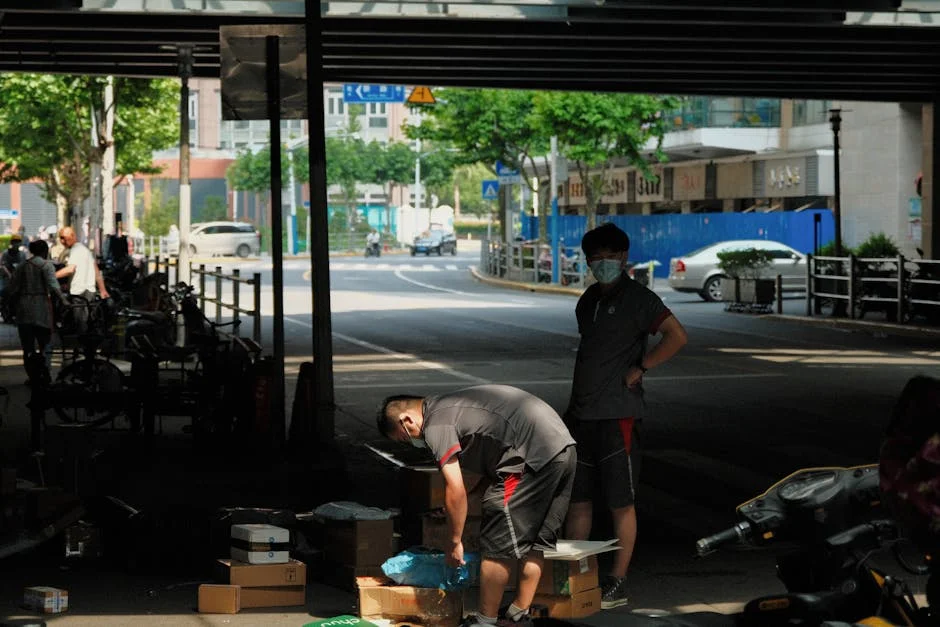
Local businesses in Chennai, particularly in the manufacturing and service sectors, are closely monitoring the political developments. With the state’s economy accounting for 12% of India’s GDP, the poll results could influence trade policies and tax structures. A recent survey by the Tamil Nadu Chamber of Commerce found that 68% of businesses are concerned about policy instability, with many planning to delay expansion projects until the election outcome is clear.
The impact on employment is another key concern. The state’s unemployment rate stood at 5.4% in March 2026, according to the National Sample Survey Office. Analysts suggest that if the ruling party secures a majority, it may prioritise job creation initiatives, potentially boosting employment rates. Conversely, a shift in power could lead to policy uncertainty, affecting hiring and investment decisions.
Investor Sentiment and Financial Markets
Investor sentiment in the region remains mixed. The Nifty 50 index, which includes several companies with significant operations in Tamil Nadu, has shown volatility in the lead-up to the polls. A report by the Institute of Chartered Financial Analysts of India noted that 42% of institutional investors are waiting for the election results before making major portfolio adjustments.
Foreign investors have also taken a cautious approach. The Reserve Bank of India reported a 3% decline in portfolio investments in Tamil Nadu-based firms in the first quarter of 2026, with many citing political risks as a key factor. However, some analysts believe that a stable political outcome could attract renewed interest, particularly in sectors like renewable energy and IT services.
Tamilaga Vettri Kazhagam’s Role in the Election
The Tamilaga Vettri Kazhagam, led by Vijay, has positioned itself as a challenger to the traditional political dynasties in Tamil Nadu. The party’s focus on anti-corruption and economic reform has resonated with younger voters, particularly in urban centres like Chennai. Vijay’s decision to vote publicly has been seen as a strategic move to reinforce his credibility and mobilise support.
Despite its rising profile, the party faces stiff competition. The ruling Dravida Munnetra Kazhagam (DMK) has maintained a strong base in rural areas, while the All India Anna Dravida Munnetra Kazhagam (AIADMK) remains a key player in the state’s political arena. The outcome of the polls will determine the direction of Tamil Nadu’s economic policies for the next five years.
Policy Proposals and Economic Outlook
The Tamilaga Vettri Kazhagam has outlined several key policy proposals, including tax incentives for small and medium enterprises, investment in digital infrastructure, and improved public transportation systems. These measures aim to boost economic growth and attract both domestic and foreign investment. Vijay has also pledged to address the issue of water scarcity, a pressing concern for the state’s agriculture sector.
Analysts suggest that if the party wins, it could bring a more business-friendly environment, potentially leading to increased private sector participation. However, critics argue that the party’s focus on populist policies may not be sustainable in the long term. The economic impact will depend on the implementation of these policies and the ability of the government to manage fiscal responsibility.
The Tamil Nadu Polls 2026 will be a defining moment for the state’s economy and political future. Investors, businesses, and citizens are all watching closely as the election approaches. With the final vote expected on 15 April, the next few weeks will be crucial in shaping the economic landscape of Tamil Nadu. What happens in the coming days will determine the direction of growth, investment, and policy for years to come.
See Also
- Grêmio Snatches Draw Against Montevideo City — Playoffs Spot Secured
- Trump's China Visit Triggers Market Jitters
Analysts suggest that if the party wins, it could bring a more business-friendly environment, potentially leading to increased private sector participation. The Reserve Bank of India reported a 3% decline in portfolio investments in Tamil Nadu-based firms in the first quarter of 2026, with many citing political risks as a key factor.
What is the latest news about vijay casts vote in tamil nadu polls 2026 amid political shift?
Why does this matter for politics-governance?
What are the key facts about vijay casts vote in tamil nadu polls 2026 amid political shift?