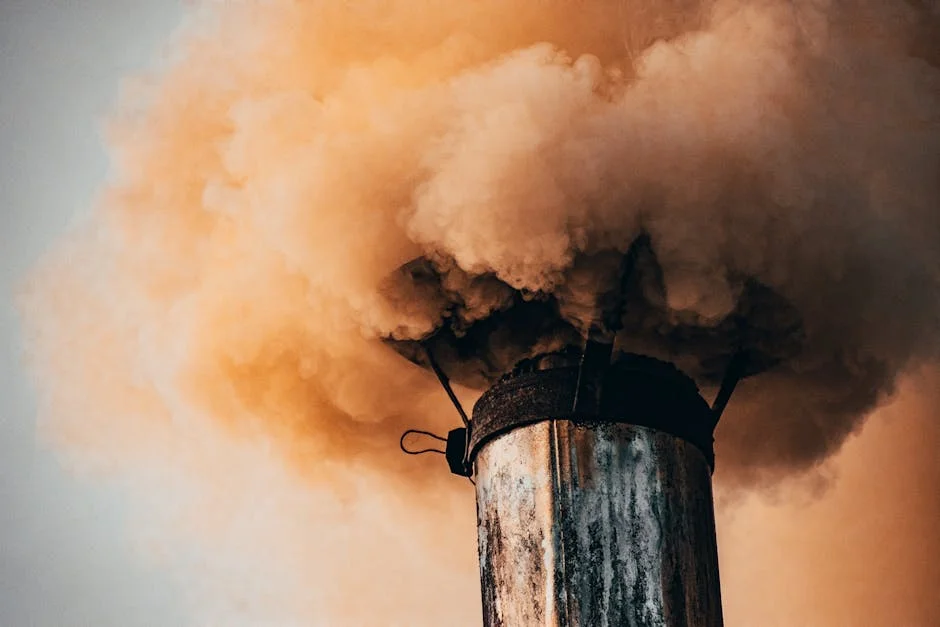
Meta has announced plans to build gas-powered data centers in Texas, sparking concerns over their environmental impact. The tech giant's new facilities, set to open in 2025, are expected to emit more greenhouse gases annually than some small nations. The move comes as global pressure mounts on tech companies to reduce carbon footprints, yet Meta's decision highlights the growing tension between digital expansion and climate commitments.
Meta's Expansion and Environmental Impact
Meta's new data centers in Texas will run on natural gas, a fuel source that, while cleaner than coal, still emits significant carbon dioxide. According to a report by the International Energy Agency, the facilities could produce up to 8.5 million metric tons of CO2 per year, exceeding the annual emissions of countries like Cyprus or Malta. This has raised alarms among environmental groups and local communities, who fear the long-term consequences of increased air pollution and climate change.

Dr. Laura Chen, a climate scientist at Stanford University, warned that while gas is a transitional fuel, the scale of Meta's operations could undermine global climate goals. "Every major tech company must consider the environmental cost of their infrastructure," she said. "Meta's decision sets a dangerous precedent for others to follow."
Market and Investor Reactions


Shares of Meta fell by 1.2% in early trading after the announcement, reflecting investor concerns over the company's environmental strategy. Analysts at JPMorgan noted that the move could impact Meta's ESG (Environmental, Social, and Governance) ratings, potentially deterring green-focused investors. "This is a setback for Meta's sustainability image," said JPMorgan analyst Mark Reynolds. "Investors are increasingly prioritizing environmental responsibility."
Meanwhile, the stock of clean energy companies saw a slight rise as investors shifted focus. Renewable energy firm NextEra Energy, for example, saw a 0.8% increase in share value. This shift highlights the growing influence of environmental considerations on market dynamics, with investors favoring companies that align with global climate goals.
Business Implications for Tech and Energy Sectors
Meta's decision has broader implications for the tech and energy industries. As more companies rely on data centers to power their digital services, the demand for energy is expected to rise. This could lead to increased pressure on energy providers to supply more gas or other fossil fuels, potentially slowing the transition to renewable energy sources.
Energy companies like ExxonMobil and Chevron have already expressed interest in supplying gas to Meta's facilities. However, this could create friction with climate-conscious policymakers and environmental organizations. In Texas, local governments are weighing the economic benefits of the project against the environmental risks, creating a complex regulatory landscape for future tech investments.
For businesses, the situation underscores the need to balance growth with sustainability. Companies that fail to align with environmental standards may face reputational damage, regulatory challenges, and loss of investor confidence. This is particularly relevant for Singapore-based firms that operate in the global tech sector and are increasingly expected to meet international environmental benchmarks.
Investment Perspective and Regulatory Outlook
Investors are closely watching how regulators respond to Meta's move. The US Environmental Protection Agency (EPA) has not yet commented on the project, but the agency has been under pressure to enforce stricter emissions standards. If the EPA introduces new regulations, it could increase operational costs for tech companies like Meta, potentially affecting their profitability.
For investors, the situation highlights the importance of monitoring environmental policies and corporate strategies. Companies that proactively reduce their carbon footprint are likely to see long-term benefits, including better access to capital and stronger brand loyalty. On the other hand, those that rely on high-emission technologies may face increasing scrutiny and financial risks.
What to Watch Next
The next few months will be critical for Meta and the broader tech industry. The company is expected to release an updated sustainability report in the coming weeks, which could provide more details on its long-term environmental strategy. Meanwhile, the EPA is set to review its emissions guidelines by the end of the year, which could have a major impact on the future of gas-powered data centers.
Investors and policymakers will be closely monitoring how Meta and other tech giants respond to growing environmental pressures. The outcome of these developments could shape the future of the tech sector and its role in the global climate agenda.