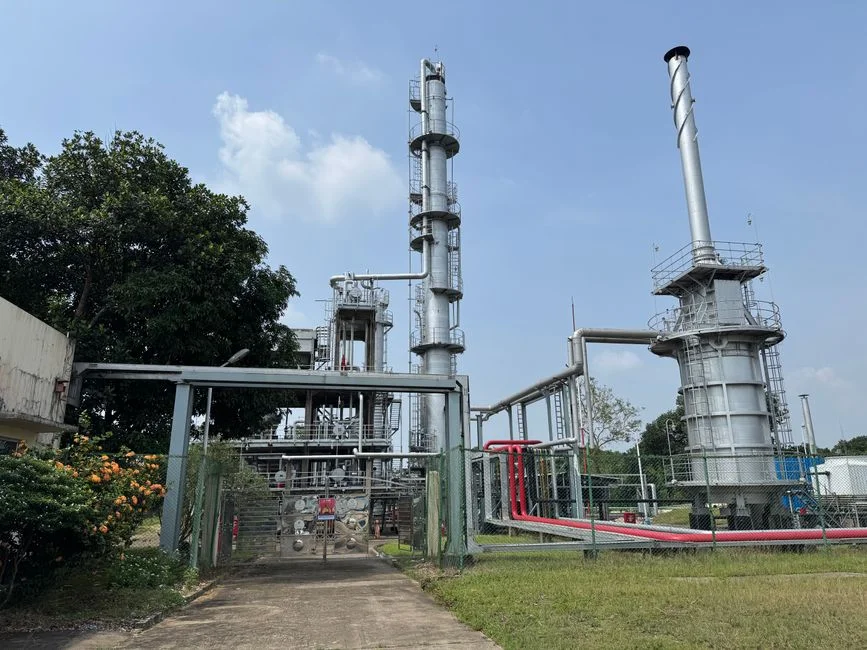
Europeia’s top economic body has issued a stark warning over the long-term consequences of fossil fuel subsidies, urging member states to phase out support within a year. The statement comes as energy prices remain volatile and inflation continues to strain households and businesses across the region. The European Commission, based in Bruxelas, emphasized that while the current crisis requires short-term aid, prolonged subsidies risk undermining climate goals and economic stability.
Bruxelas Calls for Immediate Subsidy Reforms
The European Commission, led by President Ursula von der Leyen, released a report highlighting the need for a rapid transition away from fossil fuel support. “Subsidies must be temporary and targeted,” the report stated, stressing that extending aid would distort markets and slow the shift to renewable energy. The move follows growing pressure from environmental groups and investors demanding stronger climate action.
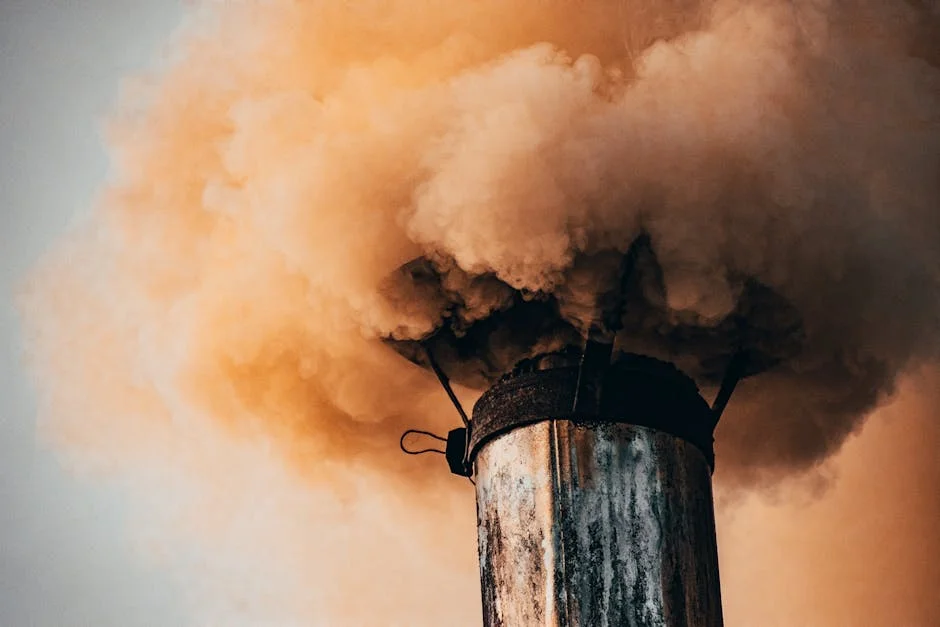
Germany, one of the largest economies in the bloc, has already begun reducing its support for coal and gas. However, countries like Poland and Hungary have resisted, citing energy security concerns. The Commission warned that without a coordinated approach, the economic and environmental costs will mount, particularly for smaller economies dependent on fossil fuels.
Market Reactions and Investor Concerns


Financial markets reacted swiftly to the Commission’s statement, with shares in major oil and gas firms falling by up to 3% in early trading. Investors are increasingly wary of long-term exposure to fossil fuel assets, with many redirecting capital toward renewable energy projects. “This is a clear signal that the era of unchecked fossil fuel subsidies is ending,” said Emma Thompson, an analyst at Global Markets Research. “The transition to green energy is no longer optional.”
The European Union’s carbon price, which hit a record high of €100 per tonne in June, is expected to rise further as the bloc tightens emissions rules. This will increase costs for industries reliant on carbon-intensive production, forcing them to either adopt cleaner technologies or face reduced competitiveness.
Business Implications Across Sectors
Manufacturers across Europe are already adjusting to the new regulatory landscape. In the automotive sector, companies like Volkswagen and BMW have accelerated their plans to phase out internal combustion engines. “The policy shift is a game-changer,” said Luca Moretti, a spokesperson for the European Automobile Manufacturers’ Association. “We’re seeing a surge in investment in electric vehicles and battery technology.”
Energy companies, however, face a more difficult path. Shell and Total have announced plans to reduce their fossil fuel production by 2030, but smaller firms are struggling to adapt. In Poland, where coal still provides over 70% of electricity, the transition has sparked political tensions. The government has warned that abrupt cuts could lead to power shortages and higher energy bills.
Regional Disparities and Political Challenges
The impact of the subsidy reforms varies widely across the EU. In Southern Europe, where solar and wind energy are more viable, the shift is gaining momentum. Spain and Portugal have both announced major investments in green infrastructure. In contrast, Eastern European countries, including Bulgaria and Romania, are more hesitant, fearing the economic consequences of cutting fossil fuel support.
Political divisions are also emerging. The European Parliament is set to vote on a new climate package in September, which could further restrict fossil fuel subsidies. However, opposition from several member states may delay implementation. “This is a critical moment for the EU’s climate policy,” said European Parliament member Anika Riedel. “We must act now to avoid long-term economic and environmental damage.”
Investor Perspective and Future Outlook
Investors are closely watching the EU’s next moves, with many shifting capital toward renewable energy and green bonds. The European Investment Bank has pledged to double its funding for climate projects by 2025, signaling a major shift in financial priorities. “The market is moving fast,” said financial analyst James Carter. “Those who fail to adapt risk being left behind.”
For businesses, the coming months will be crucial. Companies that fail to align with the EU’s climate goals may face higher costs, regulatory penalties, and loss of market share. The European Commission has also warned that countries failing to meet emissions targets could face financial sanctions.
What to Watch Next
The European Parliament’s vote in September will be a key test of the bloc’s commitment to phasing out fossil fuel subsidies. Meanwhile, the European Central Bank is expected to release its latest inflation report in late August, which could influence interest rates and market sentiment. Investors should also monitor the performance of renewable energy stocks, as demand for clean power continues to grow.
The coming months will determine whether the EU can balance economic stability with its climate ambitions. For businesses and investors, the message is clear: the transition to a low-carbon economy is accelerating, and those who adapt will be best positioned to thrive.
See Also
- LPG Cylinder Prices Soar in Major Indian Cities – What It Means for Investors and Businesses
- Godrej Consumer Shares Tumble 6% Despite Q4 Strength