Leonardo DRS, a US-based defense technology firm, has announced the launch of its new maritime counter-unmanned aerial system (Counter-UAS) capability, designed to detect and neutralize aerial threats at sea. The system, unveiled in a press release on 15 June 2024, is being marketed as a critical tool for coastal and naval security, particularly in regions with rising concerns over drone activity. The announcement comes as Singapore, a key player in regional maritime trade, faces increasing pressure to modernize its defense infrastructure against evolving threats.
What Is the New Technology and How Does It Work?
The Counter-UAS system integrates advanced radar, electronic warfare, and artificial intelligence to identify, track, and disable unmanned aerial vehicles (UAVs) in real time. Leonardo DRS claims the technology can detect drones as small as 500 grams within a 10-kilometer radius, a critical feature for coastal defense. The system is designed to be deployed on naval vessels, offshore platforms, and coastal installations, offering a multi-layered defense against both commercial and adversarial drones.
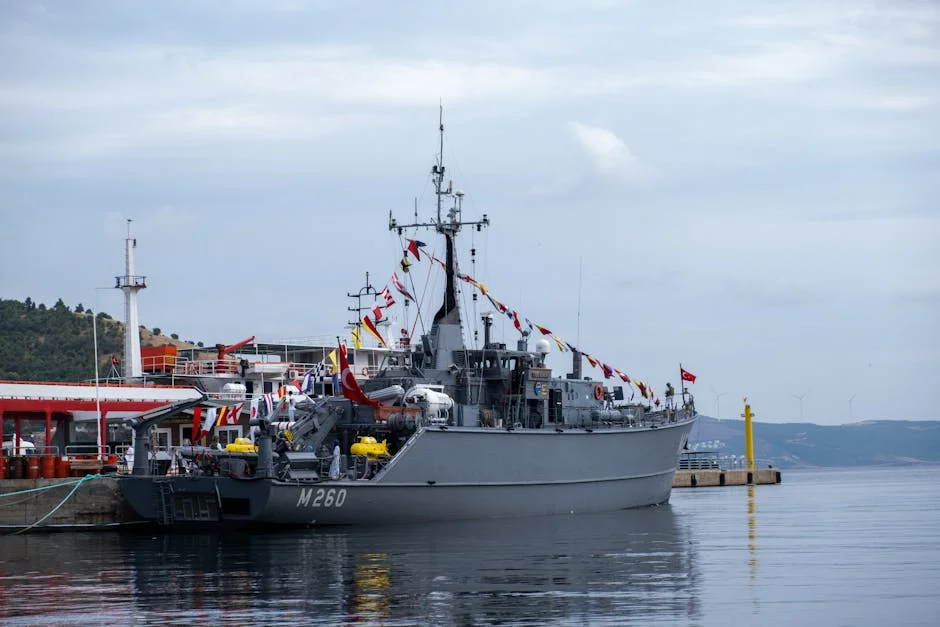
“This is a game-changer for maritime security,” said Dr. Emily Carter, a defense analyst at the Singapore Institute of International Affairs. “With the proliferation of drones in regional waters, especially in the South China Sea, the need for reliable counter-drone systems is urgent.” The technology is currently being tested in the Gulf of Mexico, with plans for field deployment in Asia by 2025.
Market Reactions and Investor Implications


Leonardo DRS shares rose 3.2% in early trading on the day of the announcement, reflecting investor optimism about the firm’s expansion into the maritime defense sector. The company, which reported $2.4 billion in revenue in 2023, has positioned itself as a key player in the global Counter-UAS market, projected to grow by 12% annually through 2030. Investors are closely watching how the technology will be adopted in Asia, where demand for defense innovation is rising.
“This development is a signal that the market is moving toward more integrated and autonomous defense solutions,” said Mark Thompson, a defense analyst at JPMorgan. “For Singapore, which is heavily reliant on maritime trade, the technology could be a strategic asset.” The announcement has also sparked interest among regional defense contractors, with Singapore’s Defence Science and Technology Agency (DSTA) reportedly in early discussions with Leonardo DRS about potential partnerships.
Business and Economic Impacts
The introduction of the Counter-UAS system could have significant implications for businesses operating in Singapore’s maritime sector. Shipping companies, offshore energy firms, and port operators are increasingly concerned about drone-related security risks, particularly in light of recent incidents involving unauthorized drone flights near critical infrastructure. The new technology could offer a competitive edge to companies that adopt it, reducing the risk of operational disruptions and liability.
“This isn’t just a defense issue—it’s a business issue,” said Tan Wei Liang, a logistics consultant at Singapore-based Sino-Straits Consulting. “Companies that fail to address these threats may face higher insurance costs, regulatory scrutiny, and reputational damage.” The potential for increased security spending in the region could also create new opportunities for local tech firms and service providers specializing in defense and cybersecurity.
Regional Security and Strategic Considerations
As part of its broader regional strategy, Singapore has been strengthening its maritime defense capabilities in response to growing tensions in the Indo-Pacific. The new Counter-UAS system aligns with the country’s focus on developing smart and resilient infrastructure. It also reflects a broader shift in defense spending across Asia, where nations are investing heavily in emerging technologies to counter asymmetric threats.
The technology could also have diplomatic implications. Singapore, known for its neutral stance, may find itself in a delicate position as it balances its security needs with its role as a regional trade hub. The adoption of advanced counter-drone systems could signal a more assertive approach to safeguarding national interests, particularly in light of geopolitical rivalries in the South China Sea.
What’s Next for Singapore and the Region?
With the Counter-UAS system set for deployment in 2025, Singapore’s defense agencies are expected to begin pilot programs later this year. The Ministry of Defence (MINDEF) has already indicated that it will evaluate the technology for potential integration into its existing maritime surveillance networks. Meanwhile, regional partners such as Malaysia and Indonesia are also exploring similar solutions, with the potential for collaborative procurement and technology-sharing agreements.
Investors and analysts are watching closely for the first commercial contracts and deployment milestones. The success of the system in Singapore could set a precedent for other countries in the region, accelerating the adoption of similar technologies. As the threat landscape evolves, the race to secure maritime spaces against drone-based threats is only just beginning.
See Also
- Niall Horan Announces New Album — and Fans Are Going Wild
- Bolsonaro's Hospitalisation Sparks Concerns for Brazil's Markets
What is the latest news about leonardo drs unveils maritime counteruas tech to protect sg waters?
Why does this matter for economy-business?
What are the key facts about leonardo drs unveils maritime counteruas tech to protect sg waters?