A 34-year-old woman in Osizweni Newcastle has been sentenced to life in prison for the rape of her younger brother, a case that has sparked widespread public outrage and raised concerns about family safety and legal accountability in the region. The South African High Court in Durban delivered the verdict after a two-month trial, marking one of the most high-profile cases in the area this year. The incident, which occurred in 2022, has drawn attention to the broader issue of gender-based violence and the challenges faced by victims in rural communities.
Legal Implications and Public Reaction
The case has highlighted the legal system's response to sexual violence, particularly within family units. The accused, identified as Thandiwe Mkhize, was found guilty of multiple charges, including rape and assault. The court heard that the abuse began when the victim was just 12 years old and continued for over three years. Thandiwe Mkhize, who has no prior criminal record, was sentenced to 25 years for rape and an additional 10 years for assault, with the judge noting the "profound betrayal of trust" in the relationship.
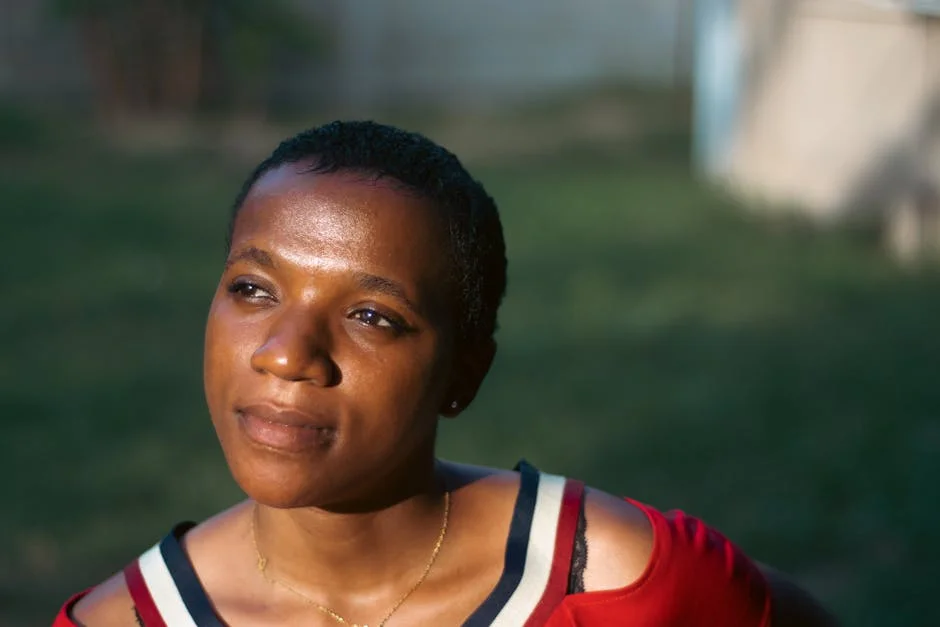
Public reaction has been mixed. While many have praised the court’s decision as a step toward justice, others have questioned whether the sentence is sufficient given the severity of the crime. Local community leaders have called for increased awareness and support systems for victims of abuse, particularly in areas where reporting such crimes remains stigmatized. The case has also prompted discussions about the need for stronger legal frameworks to protect vulnerable individuals within family structures.
Impact on Local Communities and Social Services


The case has had a ripple effect on local social services and community organizations in Osizweni Newcastle. The Department of Social Development in KwaZulu-Natal has reported a 15% increase in calls to its helpline following the verdict. This surge has placed additional pressure on already strained resources, with many organizations struggling to provide timely support to victims. The local police station has also seen an uptick in reports of domestic abuse, suggesting that the case may have encouraged more people to come forward.
Community leaders have urged the government to invest more in prevention programs and victim support. “This case is a wake-up call,” said Sipho Mbeki, a local advocate for women’s rights. “We need more than just punishment — we need education, awareness, and long-term solutions.” The case has also sparked a broader conversation about the role of family in perpetuating abuse and the need for intervention at an early stage.
Broader Implications for South Africa’s Justice System
The sentencing of Thandiwe Mkhize has drawn attention to the broader challenges facing South Africa’s justice system, particularly in cases involving gender-based violence. According to the National Prosecuting Authority, only 10% of reported sexual violence cases result in a conviction, a statistic that has led to calls for reform. The case has also raised questions about the effectiveness of legal procedures in protecting victims and ensuring swift justice.
Legal experts have noted that while the sentence is a strong statement, the system as a whole still struggles with delays and lack of resources. “This case shows that the courts can deliver justice when there is sufficient evidence and public pressure,” said Dr. Lindiwe Mthembu, a legal analyst at the University of KwaZulu-Natal. “But we need systemic change to ensure that all victims receive the same level of attention and support.”
Financial and Economic Considerations
The case has also had financial implications for the local community. The victim’s family has been unable to work due to the emotional and psychological impact of the abuse, leading to a loss of income and increased dependency on social grants. Local businesses in Osizweni Newcastle have reported a slight decline in activity, as some residents have focused on supporting the victim and navigating legal processes. This has added to the economic strain on a region already facing high unemployment rates.
Investors and business leaders in the area are closely watching how the case affects community stability. “If trust within families breaks down, it can have long-term effects on local economies,” said Noma Mthembu, a local business owner. “We need more support for families to prevent such situations from arising in the first place.”
What Comes Next?
The case is now under review by the National Prosecuting Authority, which may consider an appeal from the defense. Meanwhile, the victim’s family has begun the process of seeking compensation through the state’s victim support program. Local activists are also pushing for policy changes that would make it easier for victims to report abuse and access legal aid. The next few weeks will be critical in determining whether this case leads to broader reforms in how South Africa handles sexual violence and family-based crimes.
See Also
- Police Nab All Ten Suspects in 'Aluva Athul' Murder Case - Market Reactions Unveiled
- Moedas Unveils 128 Million Housing Package — Impact on SG Markets Looms
Legal experts have noted that while the sentence is a strong statement, the system as a whole still struggles with delays and lack of resources. The victim’s family has been unable to work due to the emotional and psychological impact of the abuse, leading to a loss of income and increased dependency on social grants.