Hollywood stars including Emma Thompson and Ben Stiller have launched a high-profile campaign to block the $80 billion merger between Paramount and Warner Bros Discovery, citing concerns over creative control, market dominance, and long-term industry stability. The move comes as the deal faces growing scrutiny from regulators and industry insiders in the United States, with potential ripple effects on global entertainment markets and investment flows.
Industry Backlash Grows Over Merger
The merger, which aims to create a dominant force in the global entertainment sector, has drawn sharp criticism from within the industry. Emma Thompson, a two-time Academy Award winner, has been at the forefront of the opposition, arguing that the deal could lead to a concentration of power that stifles creativity and limits opportunities for independent filmmakers. “This isn’t just about big studios—it’s about the future of storytelling,” she said in a recent statement.

Ben Stiller, another prominent figure in the campaign, echoed these concerns, warning that the merger could lead to a homogenization of content and a reduction in diverse voices. “We’re not against growth, but we need to ensure that the creative heart of Hollywood remains intact,” he said. The coalition includes over 500 actors, directors, and producers, many of whom have signed a public letter urging regulators to reconsider the deal.
Market Reactions and Investor Sentiment


Investors have taken notice of the growing backlash, with shares of both Paramount and Warner Bros Discovery fluctuating in response to the uncertainty. The merger, which was initially expected to close by the end of 2024, now faces delays as regulatory hurdles mount. Analysts at Goldman Sachs noted that the opposition could lead to a more protracted approval process, potentially affecting the companies’ stock performance.
“The entertainment sector is highly sensitive to regulatory decisions,” said Sarah Lin, a media analyst at JMP Securities. “If the merger is blocked or significantly altered, it could impact the valuation of both companies and shift investment strategies in the sector.” The uncertainty has also led to a rise in short-term trading activity, with options markets reflecting heightened volatility.
Regulatory Scrutiny Intensifies
The Federal Trade Commission (FTC) has already launched an investigation into the merger, focusing on potential anti-competitive practices. In a filing submitted earlier this month, the FTC raised concerns about the combined entity’s ability to dominate streaming services, box office distribution, and content licensing. “This merger could have a chilling effect on competition, particularly in the digital space,” the agency stated.
The FTC’s review is expected to take several months, with a final decision likely to be made by mid-2024. Meanwhile, the Department of Justice is also reviewing the deal, adding to the regulatory complexity. The outcome could set a precedent for future mergers in the entertainment industry, influencing how major studios consolidate their operations.
Global Implications for Content and Distribution
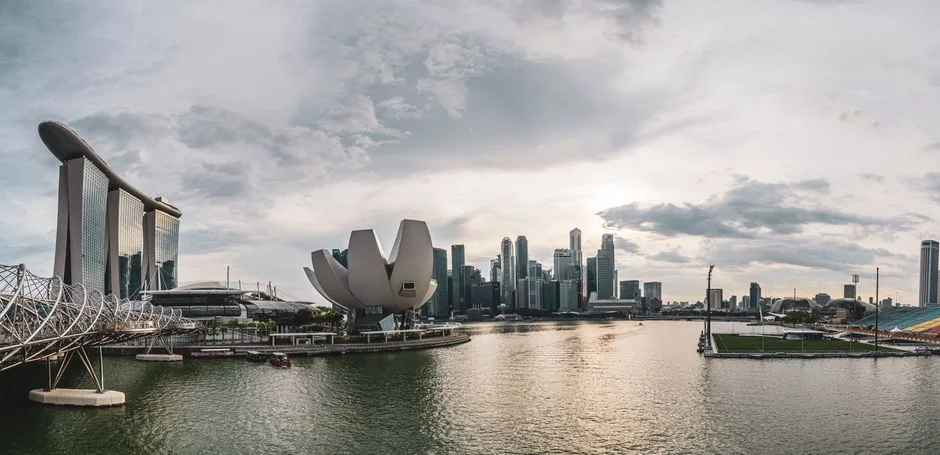
The merger’s potential impact extends beyond the U.S., affecting content distribution and production in key international markets. In Asia, for example, the combined entity could influence the availability and pricing of films and streaming content, particularly in countries like Singapore, where Hollywood films remain a major entertainment source. The deal’s outcome could also affect licensing agreements with local studios and broadcasters.
“A merged Paramount-Warner Bros could reshape the global entertainment landscape,” said Rajiv Mehta, a media consultant based in Singapore. “It’s not just about what gets made—it’s about how it gets distributed and who controls the platforms.” The potential for increased market power has raised alarms among smaller studios and independent producers, who fear being squeezed out of the industry.
What’s Next for the Merger?
As the regulatory process unfolds, the outcome of the merger remains uncertain. The coalition of Hollywood stars continues to push for transparency and accountability, with a planned public forum scheduled for early March 2024. Investors and industry analysts are closely watching for any signs of regulatory intervention or changes to the deal’s structure.
For Singapore and other global markets, the merger’s fate could have lasting implications on content access, investment in entertainment, and the competitive dynamics of the industry. What happens next will determine whether the deal moves forward—or faces a major setback.
See Also
- Pakistani Suspect Arrested in Air Base Infiltration Plot
- Leopard Sparks Panic In Mumbai, Scales School Wall And Attacks Dog