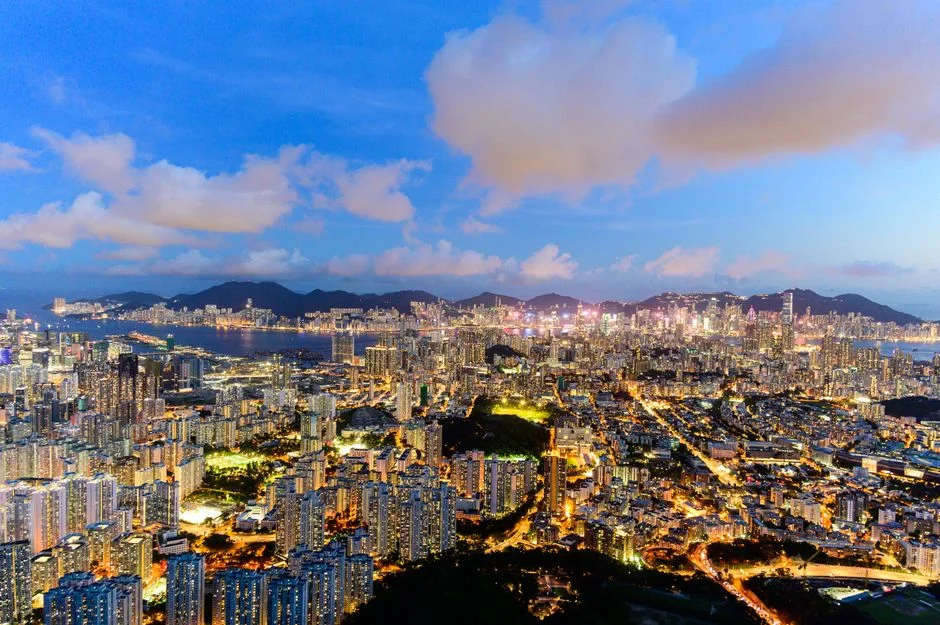
Documents obtained by regulatory authorities show Live Nation has systematically pressured venues, artists, and rivals to secure exclusive deals, raising concerns about antitrust violations. The revelations come as the company faces intensified scrutiny from the Singaporean government, which is reviewing its market practices amid growing public and investor concerns. The findings highlight the power dynamics within the live entertainment sector and signal potential regulatory action that could reshape the industry.
Live Nation’s Tactics Exposed
Newly disclosed internal communications reveal that Live Nation, one of the world’s largest concert promoters, used aggressive strategies to dominate venue contracts in Singapore. According to a report by the Ministry of Trade and Industry, the company secured exclusive rights to over 70% of major venues in the city-state between 2020 and 2023. These contracts often included clauses that restricted other promoters from hosting events at the same locations, effectively limiting competition.
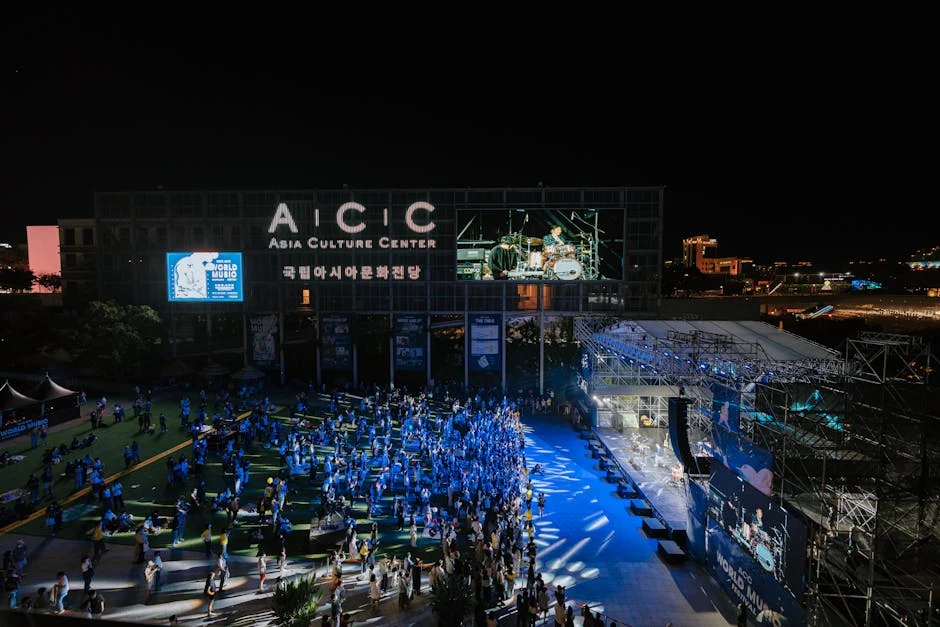
“This is not just a business strategy — it’s a systemic effort to control the market,” said Dr. Lim Wei, an economist at the National University of Singapore. “The data shows a clear trend of market concentration, which could lead to higher ticket prices and fewer choices for consumers.” The Ministry is now investigating whether these practices violate Singapore’s Competition Act, which prohibits anti-competitive behavior.
Impact on the Live Entertainment Sector

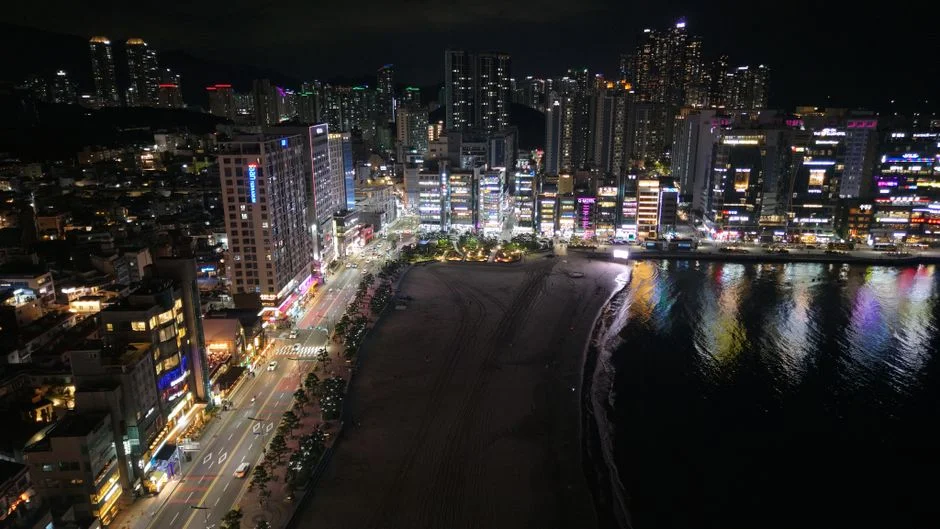
Live Nation’s dominance has already affected smaller promoters and independent artists. In 2022, the Singapore Music Association reported a 40% drop in event bookings for emerging artists due to limited access to top-tier venues. “We’re being squeezed out of the market,” said Mei Lin, founder of a local music agency. “It’s hard to compete when the big players control the infrastructure.”
Investors are also watching closely. Shares of Live Nation have fluctuated in recent weeks as concerns over regulatory action weigh on the stock. Analysts at DBS Bank note that the company’s market capitalization has dropped by 8% since the first reports surfaced, reflecting growing uncertainty. “If the government takes action, it could lead to a restructuring of the sector, which would have ripple effects on ticket pricing and event availability,” said DBS analyst Rajiv Mehta.
Regulatory Response and Market Reactions
The Singapore Competition and Consumer Commission (CCCS) has launched a formal investigation into Live Nation’s practices. The agency is reviewing 12 key venues and has issued subpoenas to several executives. “We are committed to ensuring fair competition in the live entertainment sector,” said CCCS spokesperson Sarah Tan. “Any company found to be violating the law will face appropriate consequences.”
The market has reacted swiftly. Ticket Master, Live Nation’s primary competitor in Singapore, saw a 5% increase in its stock price following the announcement. “This is a positive development for the industry,” said Ticket Master’s regional director, James Wong. “We believe in a level playing field and are ready to work with regulators to ensure fair competition.”
Consumer and Artist Perspectives
Consumers are also feeling the impact. In 2023, average concert ticket prices in Singapore rose by 15%, according to the Singapore Tourism Board. “I used to go to more shows, but now the prices are too high, and the choices are limited,” said regular concertgoer Rajiv Patel. “I want to see more diversity in the events I can attend.”
For artists, the situation is equally challenging. Independent musicians report that they are being offered fewer performance opportunities due to the dominance of a few major promoters. “It’s difficult to break through when the system is stacked against you,” said singer-songwriter Lina Tan. “We need more support from both the industry and the government.”
What’s Next for Live Nation and the Market
The CCCS is expected to release its findings by the end of the year, with potential penalties including fines or restrictions on business operations. If the agency rules against Live Nation, it could be forced to renegotiate contracts and open up venues to other promoters. “This could be a turning point for the industry,” said Dr. Lim Wei. “A more competitive market would benefit both artists and consumers.”
Investors and industry stakeholders will be closely monitoring the outcome. The case could set a precedent for how antitrust laws are applied in the live entertainment sector, with potential implications for other global companies operating in Singapore. As the regulatory process unfolds, the pressure on Live Nation to change its practices is only likely to grow.
The coming months will be critical for Live Nation, the Singapore market, and the broader live entertainment industry. With a final decision expected by year-end, all eyes are on how the government will handle this high-profile case. For now, the focus remains on what happens next — and how it could reshape the future of live events in Singapore.
See Also
- Kolkata Bulldozer Raids Trigger Business Uncertainty
- UN Slams Tunisia's Crackdown — Markets Watch for Shock
“We believe in a level playing field and are ready to work with regulators to ensure fair competition.” Consumer and Artist Perspectives Consumers are also feeling the impact. Independent musicians report that they are being offered fewer performance opportunities due to the dominance of a few major promoters.
What is the latest news about live nation faces scrutiny over venue pressure antitrust probe intensifies?
Why does this matter for politics-governance?
What are the key facts about live nation faces scrutiny over venue pressure antitrust probe intensifies?