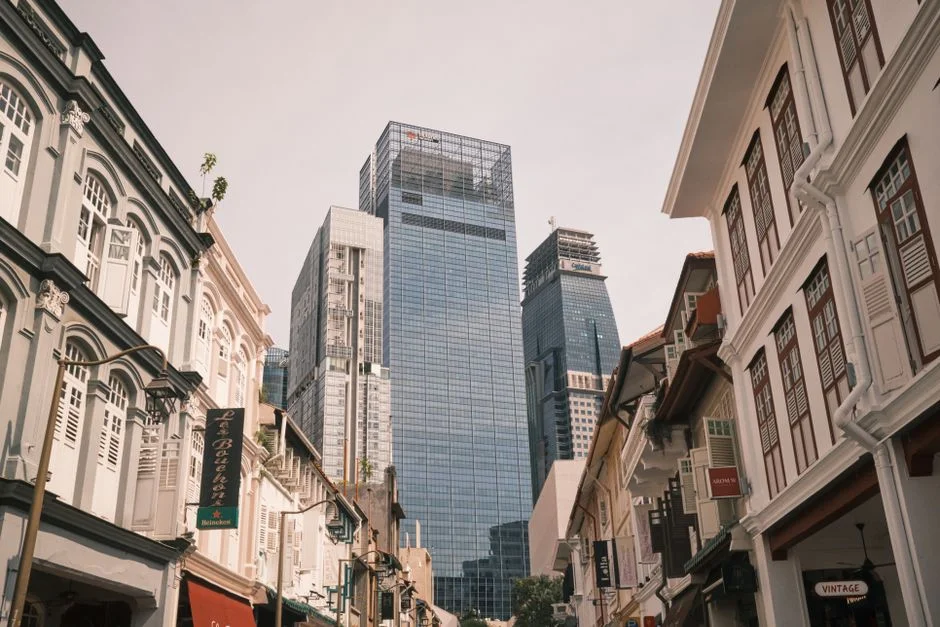
As the global tourism industry rebounds from the challenges of recent years, international travel is witnessing a dynamic resurgence, with forecasts predicting a 50% increase in global tourist arrivals by 2025. This revitalization presents both opportunities and complexities for travelers, especially those from Southeast Asia, as they navigate an evolving landscape of destinations and tour offerings. For Singaporeans and their ASEAN neighbors, the burgeoning market for tailored travel experiences offers new avenues to explore, while also necessitating savvy decision-making when selecting the best tour packages.
Understanding the Shifts in Global Tourism Preferences
The pandemic has irrevocably changed the way people approach travel, with a noticeable shift towards personalized and sustainable experiences. According to the United Nations World Tourism Organization (UNWTO), there has been a marked increase in demand for destinations that offer unique cultural experiences and eco-friendly practices. This trend is particularly evident among Singaporean travelers who are increasingly seeking out less-traveled paths and environmentally conscious options.

Rise of Sustainable Tourism
Environmental awareness is at the forefront of travel planning today. More tourists are opting for destinations that prioritize sustainability, such as eco-friendly accommodations and activities that support local communities. For instance, the trend is evident in places like Bali, where eco-resorts and conservation projects attract visitors keen on minimizing their carbon footprint.
- Choosing accommodations with green certifications
- Participating in local conservation efforts
- Opting for public transport or cycling tours
- Supporting local artisans and businesses
Personalized Travel Experiences
Customization is key in today’s travel market. Travelers desire itineraries that reflect their individual interests and offer more intimate experiences. This movement towards tailored travel is supported by agencies like GeoTur, which specializes in creating bespoke tour packages that cater to diverse preferences, from culinary tours to adventure trips.
- Custom itineraries based on personal interests
- Private guided tours and exclusive experiences
- Flexible travel plans with options for last-minute changes
- Access to unique cultural or historical sites
Strategic Travel Planning: Navigating Global Destinations



With the world at one's fingertips, effective travel planning has become crucial. The complex landscape of global tourism requires a strategic approach to ensure that travelers maximize their experiences and budgets. For Singaporeans, understanding regional trends and leveraging local insights can enhance their travel journeys.
Leveraging ASEAN Connectivity
Singapore's strategic position in Southeast Asia offers unparalleled connectivity, making it a gateway to numerous destinations within the ASEAN region. Enhanced air travel links and collaborative tourism initiatives have simplified the process of exploring neighboring countries, each offering unique cultural and natural attractions.
- Direct flights to key ASEAN capitals
- Visa-free or visa-on-arrival options for ASEAN countries
- Regional travel promotions and partnerships
- Shared cultural festivals and events
Utilizing Technology for Travel Planning
In today's digital age, technology plays a pivotal role in travel planning. From booking platforms to mobile apps that provide real-time updates, technology has made it easier for travelers to organize their trips efficiently. Singaporean travelers often rely on digital tools to compare prices, read reviews, and manage their itineraries.
- Online booking platforms for flights and accommodations
- Apps for currency conversion and language translation
- Social media for travel inspiration and tips
- GPS and mapping services for navigation
Choosing the Right Tour Packages: Key Considerations

Selecting the ideal tour package is critical to ensuring a satisfactory travel experience. With a plethora of options available, travelers must consider various factors to make informed decisions. This is where agencies like GeoTur's tour packages come into play, offering curated options that cater to specific needs and interests.
Assessing Travel Needs and Preferences
Understanding one’s travel preferences is the first step in choosing a suitable tour package. Whether one seeks relaxation, adventure, cultural immersion, or a mix of all, identifying these preferences helps in narrowing down the choices.
- Determine preferred travel style (e.g., luxury, budget, adventure)
- Identify must-see attractions and activities
- Consider group versus solo travel options
- Evaluate the level of flexibility required in the itinerary
Evaluating Tour Package Inclusions
A thorough evaluation of what is included in a tour package can prevent unexpected expenses and ensure a smooth travel experience. Key components to review include accommodations, transportation, meals, and guided tours. Additionally, checking for hidden costs or optional excursions is advisable.
- Accommodations and their star ratings
- Type of transportation provided
- Meals included in the package
- Availability of guided tours and local experts
Regional Development and Its Impact on Tourism
The ASEAN region is witnessing significant growth and development, which in turn is influencing tourism trends and opportunities. Investments in infrastructure, cultural heritage preservation, and digital transformation are enhancing the travel experience for both local and international tourists.
Infrastructure Improvements
Enhanced infrastructure, including airports, roads, and public transportation, is a major driver of tourism growth in Southeast Asia. Singapore's Changi Airport, consistently ranked as one of the best globally, exemplifies how infrastructural excellence can boost tourism appeal.
- Expansion of regional airports and flight routes
- Improvement in public transport systems
- Development of tourist-friendly facilities
- Investment in smart city technologies
Preservation and Promotion of Cultural Heritage
Cultural heritage sites are significant drawcards for tourists, and efforts to preserve and promote them are crucial for sustainable tourism. In Indonesia, for example, the restoration of Borobudur and Prambanan temples has been pivotal in attracting cultural tourists.
- Restoration projects for historical sites
- Promotion of local traditions and crafts
- Organizing cultural festivals and events
- Engagement with local communities for authentic experiences
Final Thoughts: Embracing the Future of Travel
As we look to the future, the landscape of international tourism will continue to evolve, driven by changing consumer preferences, technological advancements, and regional developments. Singaporeans and their Southeast Asian counterparts stand to benefit from these trends, provided they approach travel with informed and strategic planning. By leveraging resources such as GeoTur and staying attuned to emerging trends, travelers can craft enriching experiences that resonate on a personal level. As the world opens its doors once more, the promise of discovery and adventure beckons, urging us to explore with both curiosity and mindfulness.
See Also
- Zverev Defeats Cobolli in Thrilling Midnight Match — Impact on Tennis Markets
- Cherki's Move Sparks Market Shifts in SG
Accommodations and their star ratings Type of transportation provided Meals included in the package Availability of guided tours and local experts Regional Development and Its Impact on Tourism The ASEAN region is witnessing significant growth and development, which in turn is influencing tourism trends and opportunities. Online booking platforms for flights and accommodations Apps for currency conversion and language translation Social media for travel inspiration and tips GPS and mapping services for navigation Choosing the Right Tour Packages: Key Considerations Selecting the ideal tour package is critical to ensuring a satisfactory travel experience.
What is the latest news about understanding the shifts in global tourism preferences?
Why does this matter for economy-business?
What are the key facts about understanding the shifts in global tourism preferences?