Two years into his presidency, Prabowo Subianto is confronting rising food prices that are testing his administration’s ability to maintain economic stability. The inflationary pressure has directly impacted household budgets, echoing concerns from voters who originally supported him for the predictability associated with the Suharto era. This economic friction highlights the tension between political promises of stability and the reality of supply chain vulnerabilities in Southeast Asia’s largest economy.
Immediate Economic Pressures and Voter Sentiment
Ika Kartika, a 35-year-old resident of Bekasi, voted for Prabowo in the 2024 presidential election hoping for a return to the stability of the Suharto years. Her parents often reminisced about that period, recalling an era when everyday essentials were affordable and daily life felt more predictable. The contrast between that nostalgic view and current economic realities is becoming increasingly stark for many Indonesian households.
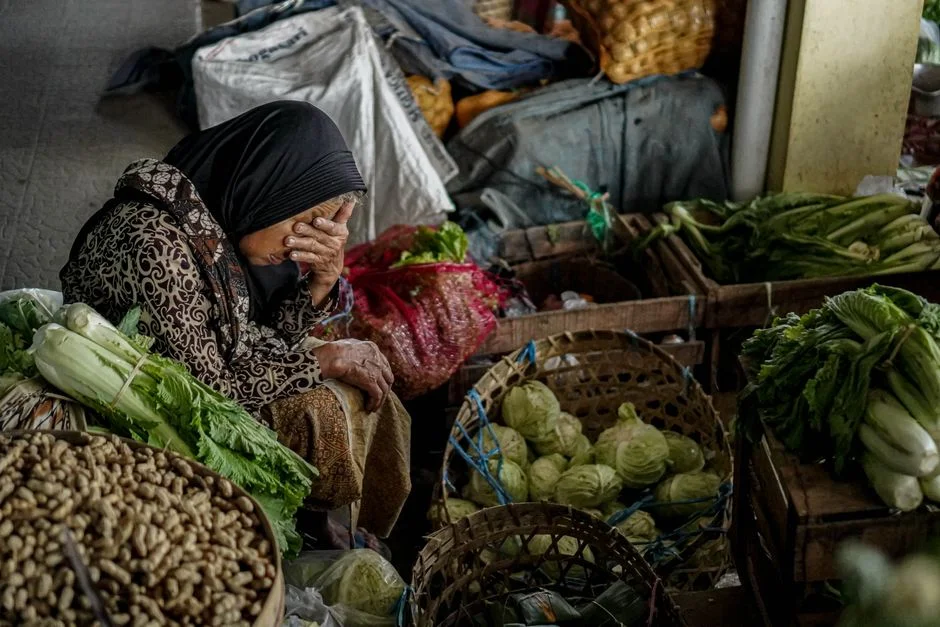
Rising food prices have left Ika and similar voters feeling the pinch. The cost of basic necessities has climbed, eroding the purchasing power that many citizens hoped would be preserved under Prabowo’s leadership. This immediate financial pressure is a critical indicator of how well the current administration is managing the country’s internal supply chains and inflation controls.
The Suharto era is often cited in these discussions as a benchmark for order and affordability. However, the modern Indonesian economy is more complex, with deeper integration into global trade networks. The challenge for Prabowo is not just about maintaining order, but about ensuring that supply chains remain efficient enough to keep prices down for consumers in urban centers like Bekasi and beyond.
Political analysts note that the gap between political rhetoric and economic reality is narrowing. Voters are looking for tangible results in their daily lives, particularly in the cost of food. The administration’s ability to address these inflationary pressures will likely determine its long-term political viability and public trust.
Supply Chain Dynamics and Regional Context
Indonesia’s food security is closely tied to its agricultural output and logistics infrastructure. Disruptions in these areas can quickly translate into higher prices for consumers. The current inflationary trend suggests that there may be bottlenecks in the distribution of essential goods, which could be exacerbated by global market fluctuations or domestic production issues.
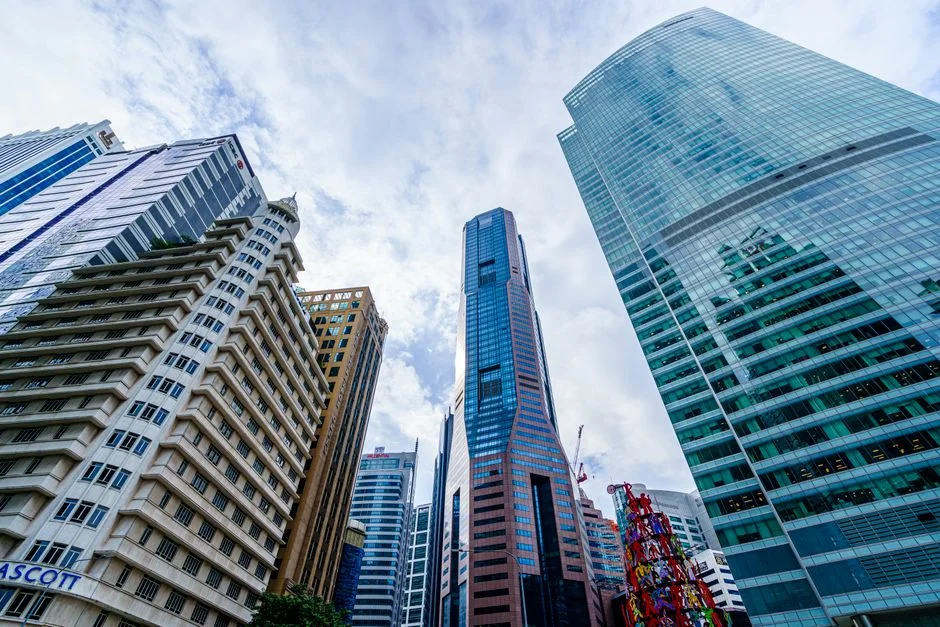
For Singapore and the broader Asian region, Indonesia’s economic stability is crucial. As a major trading partner, any significant shift in Indonesian consumer spending or supply chain efficiency can ripple through regional markets. The country’s ability to manage inflation without resorting to protectionist measures will be watched closely by neighboring economies.
The Suharto legacy also includes a strong state presence in key economic sectors. Prabowo’s administration may face pressure to intervene more directly in markets to stabilize prices, which could alter the regulatory landscape for both domestic and foreign businesses. This potential shift in state intervention could impact how multinational corporations operate within Indonesia’s growing economy.
Regulatory competitiveness is another key factor. If Indonesia moves towards more interventionist policies to control inflation, it may affect its appeal to foreign investors. Companies looking to establish manufacturing or logistics hubs in the region will be monitoring these policy changes closely to assess risk and opportunity.
The interplay between political stability and economic performance is delicate. Prabowo’s administration must balance the need for order with the flexibility required to respond to market forces. Failure to do so could lead to further public discontent, as seen in the reactions of voters like Ika Kartika.
Looking ahead, the next few months will be critical. The administration will need to demonstrate that it can deliver on its promises of stability through concrete economic measures. Supply chain improvements, targeted subsidies, or regulatory adjustments could be the tools used to address the current inflationary pressures.
Markets will be watching for signs of policy shifts that could either alleviate or exacerbate the cost of living crisis. The response to these economic challenges will define the early legacy of Prabowo’s presidency and its impact on Indonesia’s role in the Asian economic landscape.
See Also

- Nirmala Sitharaman slams Rahul Gandhi — and Singapore investors are watching closely
- Iran Tensions Trigger Asian Market Retreat
The current inflationary trend suggests that there may be bottlenecks in the distribution of essential goods, which could be exacerbated by global market fluctuations or domestic production issues. As a major trading partner, any significant shift in Indonesian consumer spending or supply chain efficiency can ripple through regional markets.