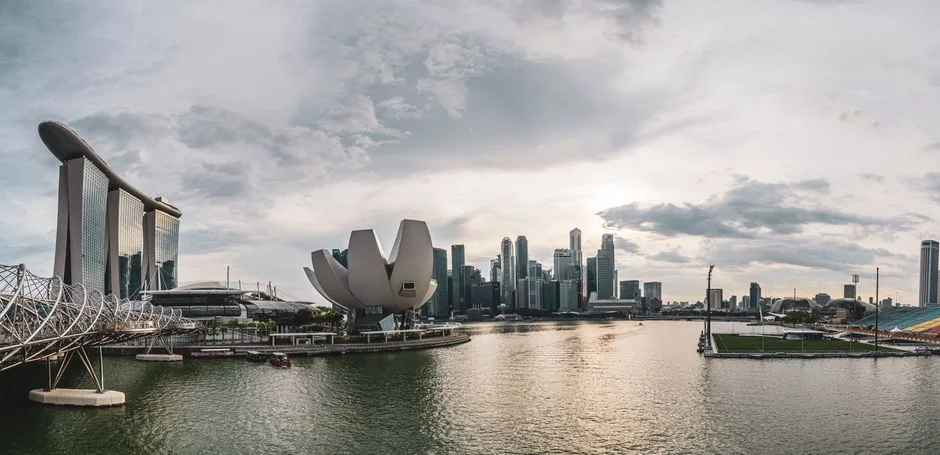
Paul Bratby, founder of Dubai-based AI trading signals platform xBratAI, has accelerated the launch of his Hong Kong entity to early 2026, moving up a timeline originally planned for several years later. This strategic shift coincides with the ongoing Iran conflict that began earlier this year, which has targeted Gulf capitals and disrupted regional shipping routes. Bratby is among a growing cohort of Gulf technology firms redirecting their expansion efforts toward Hong Kong and Singapore to secure stability and access Asian markets.
Strategic Pivot to Asian Hubs
The decision to bring forward the Hong Kong establishment reflects a broader trend of risk diversification among Middle Eastern tech companies. While the initial plan was to expand into the Asian market in the coming years, the escalation of hostilities in the Middle East prompted an immediate reevaluation of operational geography. By establishing the entity in early 2026, xBratAI aims to position itself closer to key Asian financial and technology centers, reducing exposure to regional volatility. This move aligns with the firm's goal of maintaining continuous service delivery despite the widening scope of the Iran conflict.
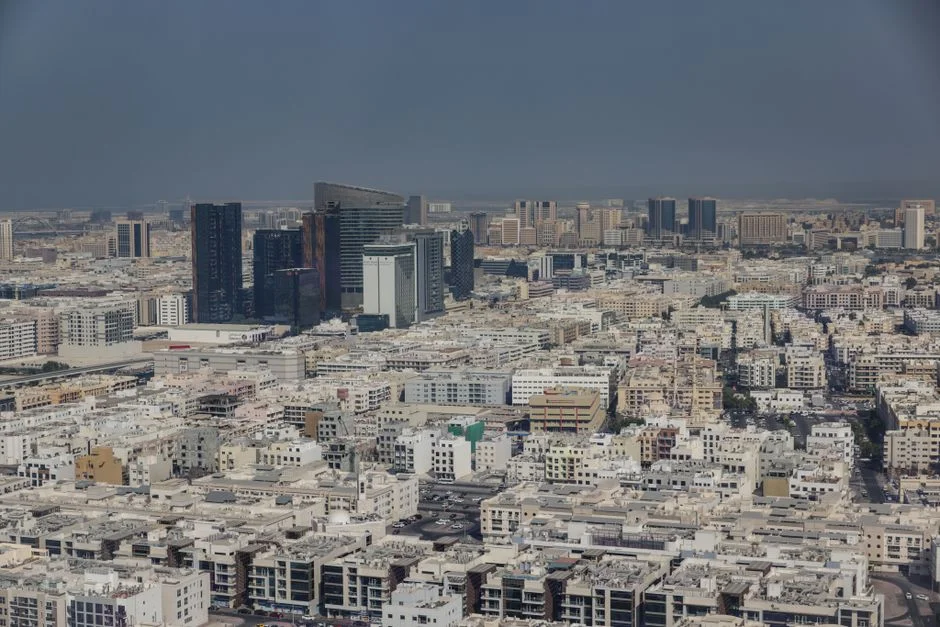
Shipping disruptions have played a critical role in this recalibration. As missiles continue to target Gulf capitals, logistics chains that once relied on direct regional connections are facing uncertainty. Hong Kong and Singapore serve as vital nodes in global supply chains, offering robust infrastructure and political neutrality that appeal to firms seeking to insulate their operations from Middle Eastern instability. For companies like xBratAI, which rely on real-time data and trading signals, the ability to operate from a stable jurisdiction is paramount. The shift also provides access to deeper pools of capital and talent in Asia, which are less affected by the immediate fallout of the Iran war.
The broader context of this migration includes the competitive landscape of Our Hong Kong and Singapore as preferred destinations for Gulf capital. Both jurisdictions offer strong regulatory frameworks and established connections to the wider Asian economy. For xBratAI, the move is not just about safety but also about positioning for future growth in the Asian fintech sector. The firm's AI-powered trading signals platform can leverage the technological ecosystem in Hong Kong to enhance its product offerings and reach a new customer base. This strategic alignment with Asian markets underscores the growing interdependence between Gulf tech firms and Asian financial hubs.
Other Gulf firms are likely to follow suit, creating a wave of technology and financial migration toward Asia. The ongoing conflict serves as a catalyst for this structural shift, accelerating decisions that might have taken years to materialize. Companies are now prioritizing operational resilience over proximity to their home markets. This trend is expected to reshape the investment landscape in both Hong Kong and Singapore, bringing new capital and innovation from the Middle East. The move also highlights the resilience of Asian financial centers, which continue to attract global interest even during periods of regional conflict elsewhere.
The long-term implications of this shift will depend on the duration and intensity of the Iran conflict. If hostilities persist, more Gulf tech firms may accelerate their Asian expansion plans. Conversely, a rapid resolution could see some firms reconsider their timelines. However, the initial move to establish a presence in Hong Kong and Singapore provides a strategic foothold that can be expanded or adjusted as conditions evolve. This proactive approach to risk management is likely to become a standard practice for Gulf companies operating in volatile regions.
Investors and industry observers should watch for further announcements from Gulf tech firms regarding their Asian expansion plans in the coming months. The pace of these moves will serve as a barometer for the perceived stability of the Middle East and the attractiveness of Asian markets as alternative hubs. The success of xBratAI's accelerated timeline will also provide valuable insights into the effectiveness of this strategy for other firms considering similar moves.
See Also


- Twitter India Head Steps Down — Markets Eye Policy Shifts
- India and Japan Expand Defense Ties — Investors Watch Market Ripples
This trend is expected to reshape the investment landscape in both Hong Kong and Singapore, bringing new capital and innovation from the Middle East. The move also highlights the resilience of Asian financial centers, which continue to attract global interest even during periods of regional conflict elsewhere.