A luxury cruise ship repurposed as a floating hotel in China has listed onto its side following an unexpected rise in tides. Docked for around 14 years, this vessel has now become a focus of economic and market discussions. The incident occurred at a port in the country, raising concerns over the safety and maintenance of such converted facilities.
How the Listing Happened
The floating hotel, once a glamorous cruise ship, rolled onto its side after high tides swept through the region. This sudden shift not only highlights the vulnerabilities of such installations but also raises questions about structural maintenance and oversight. Preliminary reports suggest that the ship's moorings failed to hold as water levels rose unexpectedly.
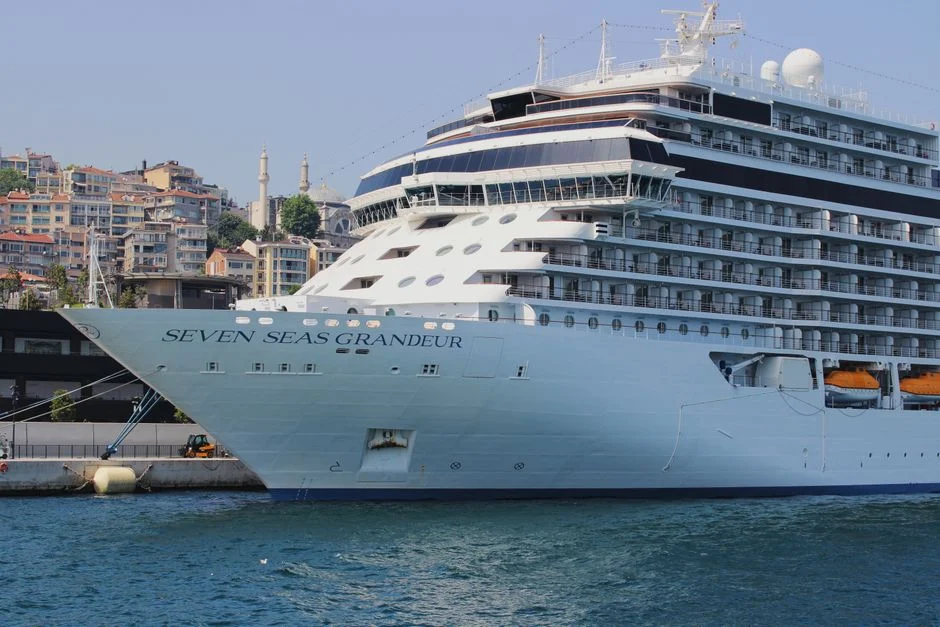
Operators of the hotel have confirmed there were no guests onboard at the time of the incident. The lack of immediate danger does little to ease the financial implications, ranging from repair costs to potential loss of income from this niche hospitality sector.
Historical Context of the Floating Hotel
The ship, originally part of a prominent cruise line's fleet, was transformed into a floating hotel as a strategy to extend its commercial life. This novel approach was part of a broader trend to reutilize decommissioned vessels in a creative manner, offering unique hospitality experiences.
Floating hotels became popular in the 2000s, driven by an interest in unusual accommodations. However, the upkeep of such structures presents unique challenges, not least because of the maritime environment that they continue to inhabit. China's adoption of this model reflects broader global trends in tourism innovation.
Economic Stakes and Broader Repercussions
The incident could reverberate through the hospitality and maritime sectors, especially in regions where similar models are adopted. For investors, this highlights the inherent risks involved in funding unconventional hospitality ventures.
While the immediate financial impact is confined to the operators and insurers, the broader industry might experience increased scrutiny. Potential regulatory reviews could lead to stringent safety checks and potentially higher operational costs, affecting profitability and investment attractiveness.
Key Players and Their Roles
The ownership and management of the floating hotel involve a consortium of investors and hospitality operators. This group includes both local Chinese investors and international stakeholders interested in the maritime tourism market.
Historically, these players have championed innovative tourism solutions, although the current setback might force a reassessment of strategies. Their track record shows a pattern of high-risk, high-reward investments in evolving markets, a factor that underlines both their resilience and potential vulnerability.
Industry Reactions and Typical Arguments
Industry experts and stakeholders typically argue over the sustainability and safety of floating hotels. Advocates highlight the novel appeal and potential for high returns, while critics point to the substantial maintenance costs and structural risks.
In light of the recent incident, safety advocates may push for tighter regulations, which operators argue could stifle innovation. Ultimately, this could lead to a broader debate on balancing innovation with operational safety, a recurring theme in the hospitality sector.
Implications for Wider Market Trends
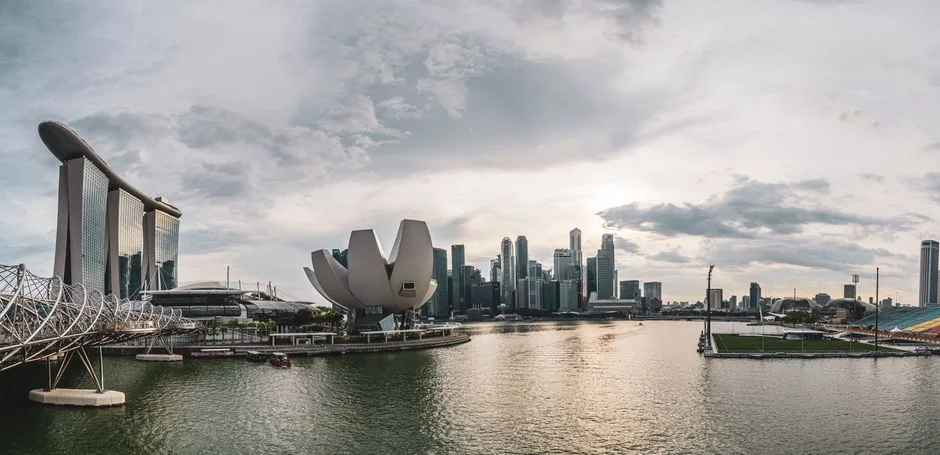
This event could influence perceptions around the feasibility and safety of floating hotels, possibly affecting similar projects in the Asia-Pacific region and beyond. Singapore, with its strategic maritime position and interest in tourism, may closely monitor these developments.
Should China implement stricter regulations following this incident, other countries might follow suit, leading to potentially tougher market conditions for floating hotel ventures. This could reshape the investment landscape, prompting a focus on more conventional hospitality avenues.
Looking Ahead: Next Steps and Market Signals
Stakeholders will be watching closely for official findings from the investigation into the listing. This incident might prompt a review of maritime safety protocols, necessitating adjustments in both regulatory approaches and investment strategies.
The market will also anticipate any policy changes in China, as these could signal shifts in regional maritime tourism strategies. Investors should stay alert to announcements from key industry players, as these could offer indicators of broader market adjustments in response to this incident.
The coming months could see increased discussion at industry forums, particularly regarding the viability of innovative hospitality models in maritime environments. Market analysts will be keen to see whether this incident prompts a pivot towards new opportunities or a reinforcement of regulatory frameworks.