SK Hynix, the world's second-largest memory chipmaker, plans to repatriate funds held in American Depositary Receipts to South Korea by approximately July 15, according to a source familiar with the matter. The move marks a significant shift in how the company manages its international capital structure and could signal broader trends in how South Korean conglomerates handle overseas assets.
What ADRs Mean for Global Investors
American Depositary Receipts allow foreign companies to list shares on U.S. exchanges, giving American investors easy access to international stocks. For SK Hynix, ADR holdings have served as a bridge between its Korean operations and global capital markets. Repatriating those funds suggests the company is consolidating its financial resources closer to home, a decision that carries weight for anyone holding SK Hynix shares or tracking the broader semiconductor sector.

ADRs trade like regular U.S. stocks but represent ownership in a foreign company. When a firm decides to bring those funds back, it fundamentally changes the composition of its balance sheet and can affect how equity is valued across different markets.
Why the July 15 Timeline Matters


The specific date matters because it gives investors a concrete deadline to watch. Financial markets operate on timelines, and having a known date allows fund managers, traders, and analysts to position their portfolios accordingly. A mid-July repatriation means any capital flow adjustments will likely be reflected in second-quarter financial reports and could influence how SK Hynix's stock performs through the summer trading season.
Market participants in Singapore, where many investors hold exposure to Asian technology firms, should note that ADR movements often create arbitrage opportunities between U.S. and local market listings. When capital moves between these venues, price differentials can emerge before markets adjust.
Semiconductor Sector Implications
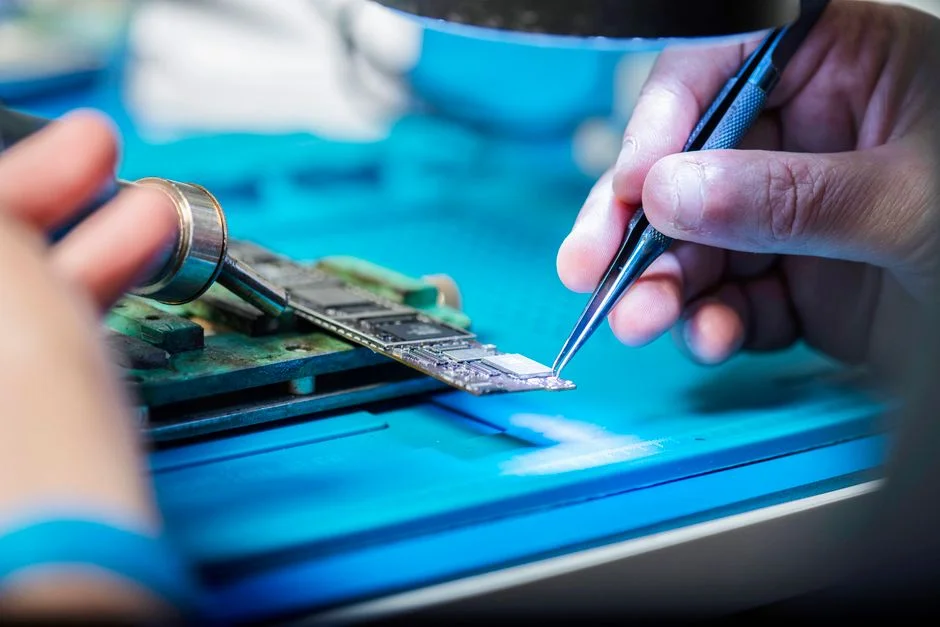
SK Hynix produces DRAM and NAND flash memory chips that go into everything from smartphones to data centre servers. Its financial decisions ripple through the supply chain because the company works with suppliers across Asia, including South Korea, Japan, and Taiwan. When a major player like SK Hynix reorganises its capital, smaller firms in the ecosystem often take cues about broader industry health.
The semiconductor industry has faced turbulent conditions recently, with memory chip prices swinging based on demand from artificial intelligence applications and consumer electronics markets. Consolidating funds in South Korea could give SK Hynix more flexibility to respond to these market shifts without navigating the complexities of cross-border capital transfers.
What This Signals for South Korea's Economy
South Korea's economy has become increasingly dependent on its technology champions. Samsung and SK Hynix together account for a substantial portion of the country's exports, and their financial health directly influences the won's value and the broader KOSPI index. When these firms move capital back to Seoul, it can strengthen the domestic financial system and provide resources for future investment in domestic operations.
For South Korean authorities, having major conglomerates repatriate funds represents a vote of confidence in the domestic economy. It also means those resources fall under Korean regulatory oversight, which may have implications for tax revenue and corporate governance standards.
How Singapore Investors Can Position
Investors in Singapore with exposure to Asian technology stocks should monitor how this repatriation affects SK Hynix's ADR price relative to its Korean listing. Capital movements of this scale can create short-term price dislocations that sophisticated traders exploit. However, longer-term investors should focus on whether the repatriation signals strategic changes in how SK Hynix allocates capital to research and development or capacity expansion.
The July 15 timeline also coincides with the start of earnings season for many Asian technology firms. Any questions about capital allocation during subsequent earnings calls will likely draw attention from analysts covering the stock.
Looking Ahead to Coming Weeks
The immediate question is whether other South Korean firms will follow SK Hynix's lead. If capital repatriation becomes a trend among the country's major exporters, it could reshape how Asian technology stocks are held and traded across global markets. Investors should watch for formal announcements from SK Hynix confirming the exact mechanics of the fund transfer and any statements about why the company chose this timing.
Regulatory filings in both the United States and South Korea will provide more details as the July 15 date approaches. Those documents will clarify the scale of funds involved and how SK Hynix intends to deploy capital once it returns to Korean accounts. Market participants should review those filings carefully, as they will shape expectations for the company's second-half strategy.
See Also
- Singapore Confirms Leopard Cat Relocation from Changi — Work Starts Late 2026
- India's Social Unrest Triggers Market Jitters in Singapore