Wang Quanying marked her 105th birthday wearing her Red Army uniform, becoming the last surviving woman who enlisted in China's revolutionary forces as a teenager. Local media documented the ceremony in Sichuan province, where veterans and officials gathered to honour her decades of service.
A Living Link to Revolutionary History
Wang joined the Red Army in 1933 at age 14, before China emerged from decades of conflict that would reshape the nation entirely. Her survival into her second century of life places her among the most durable remnants of a generation that fought through the Long March, the Sino-Japanese War, and the Chinese Civil War.
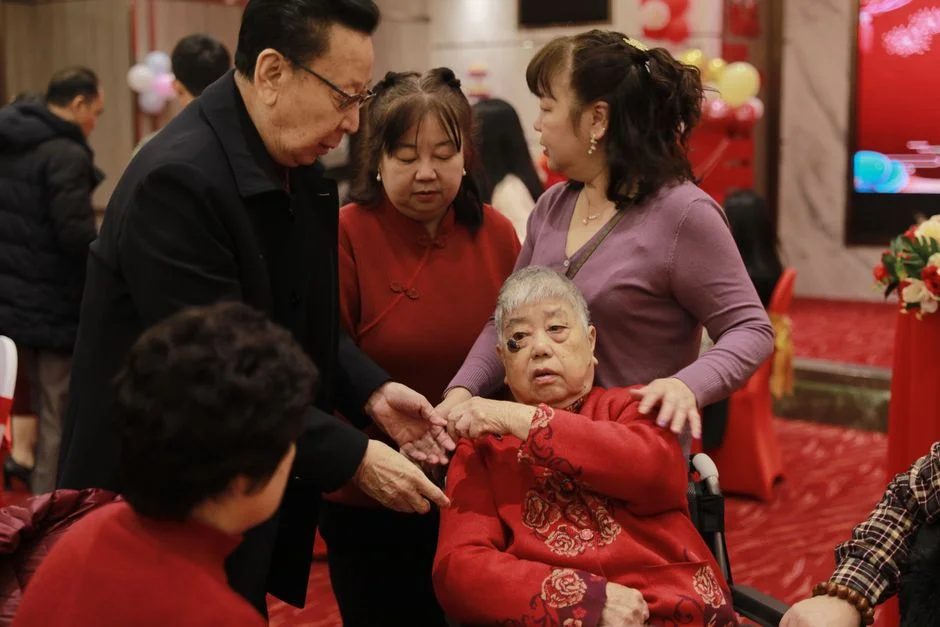
The veteran's milestone has drawn attention from state media, which have broadcast images of Wang in her military dress. Photographs circulating online show her seated alongside other veterans, her face marked by time but her bearing unmistakably military.
Why Veterans' Commemorations Matter to Beijing

The Chinese government has consistently used historical figures like Wang to reinforce narratives about revolutionary sacrifice and national continuity. Veterans of the Red Army occupy a special place in official ideology, representing the founding generation of the People's Republic.
State broadcaster CCTV featured Wang's birthday celebration prominently, positioning her as a living bridge between the Communist Party's early years and modern China. The coverage serves purposes beyond sentimentality. Analysts note that such commemorations reinforce legitimacy claims and social cohesion themes that the leadership frequently invokes.
Symbolic Value for National Identity
For businesses operating in China, the symbolic weight attached to revolutionary history carries practical implications. Companies navigating Chinese markets frequently encounter references to national heritage in official communications, advertising, and corporate social responsibility initiatives. Understanding how the state frames its founding mythology helps investors anticipate which cultural narratives receive state promotion.
Veterans like Wang also feature in educational materials used in schools, meaning their stories shape how younger generations understand national identity. Markets care about long-term social stability indicators, and how governments manage historical memory provides clues about future policy direction.
The Shrinking Circle of Revolutionary Veterans
Wang's status as the final female Red Army veteran marks the approaching end of a direct human connection to the party's early military campaigns. Each year, the surviving participants of those campaigns dwindle further. The last veteran of the Long March passed away in recent years, and the collective memory that these individuals embodied increasingly passes into historical record rather than living testimony.
Her ceremony in Sichuan underscores the regional dimension of this loss. Sichuan contributed substantial numbers of recruits to the Red Army during the revolutionary period, and local authorities have invested in commemorating these contributions through museums and memorial sites.
Economic Dimensions of Historical Memory
The tourism sector around revolutionary heritage sites has grown steadily, with veterans' hometowns and battle sites attracting visitors interested in Chinese history. For investors considering tourism-related opportunities in Sichuan and other historically significant provinces, the enduring official support for such sites suggests stable demand.
Veteran's affairs ministries administer benefits programs for surviving revolutionary participants and their families. While the direct economic impact remains modest given the shrinking number of beneficiaries, these programs reflect Beijing's broader commitment to honouring historical commitments.
What Comes Next
State media has indicated that commemorative events for revolutionary veterans will continue, even as the individual participants disappear. The challenge for official historians lies in preserving these stories without living witnesses to authenticate them.
Watch for future documentaries and publications that aim to document Wang's experiences before they pass from living memory. Her story will likely feature prominently in commemorations leading up to future anniversaries of revolutionary events. For those tracking Chinese cultural policy, how authorities manage the transition from personal testimony to institutional memory provides insight into their approach to historical narrative construction.
See Also
- India Arms Greece and Armenia with Missiles — Turkey Faces Security Crisis
- Proteas Unite Ahead of Women's T20 World Cup — Spark for Local Investment