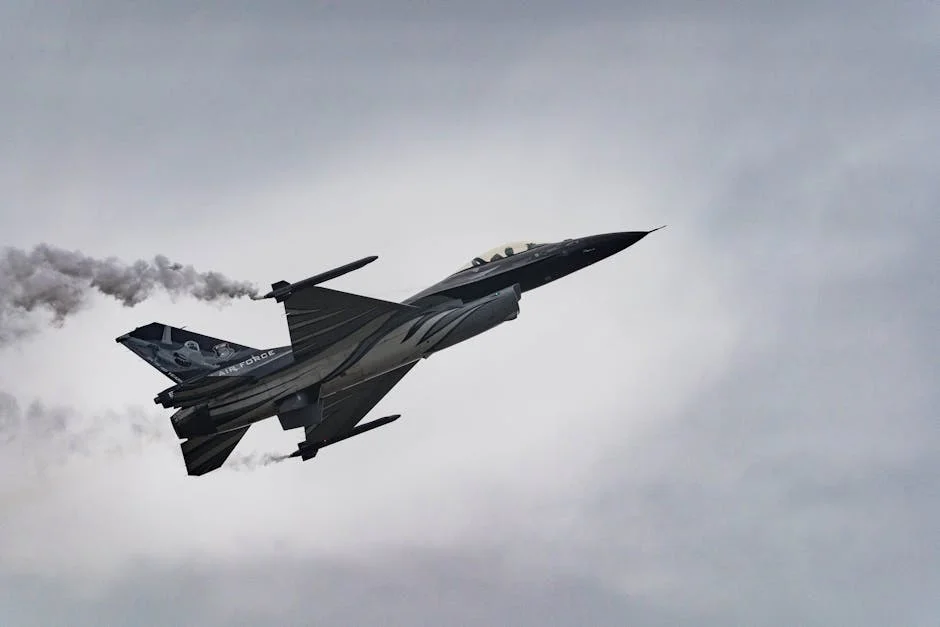
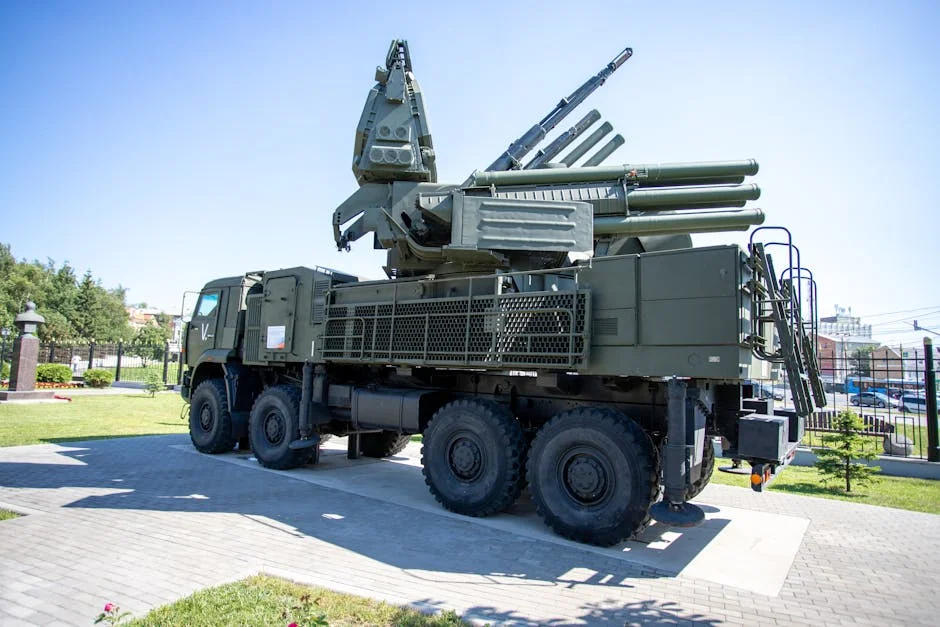
India's Cabinet Committee on Security has cleared a defence procurement package worth ₹52,000 crore, according to official sources familiar with the matter. The deal covers advanced anti-tank missiles and loitering munitions, commonly referred to as kamikaze drones, alongside components tied to the Akash Tarang air defence programme. The purchases represent one of the largest single procurement cycles in recent years for the South Asian military market.
What India Is Buying
The procurement list focuses heavily on precision-strike capabilities. Anti-tank missiles will give Indian forces enhanced ability to engage armoured targets at extended ranges. Kamikaze drones, which hover over target areas before striking, have become a standard feature in modern warfare following their effective use in recent conflicts globally.
The Akash Tarang programme, an advanced variant of the existing Akash surface-to-air missile system, also features in the package. The system uses upgraded radar and command-and-control architecture to improve response times against aerial threats.
Economic Ripple Effects for Suppliers


Defence contracts of this scale create substantial downstream opportunities. India's defence procurement rules mandate local manufacturing content, meaning international vendors must transfer technology or partner with domestic firms. This generates work for engineering companies, electronics manufacturers, and logistics providers across the country.
For Singapore-based firms, the connection lies in the broader Indo-Pacific supply chain. Several Indian defence manufacturers have partnerships with companies in the city-state for components, testing equipment, and specialised materials. Orders of this magnitude tend to accelerate production schedules, benefiting sub-vendors throughout the region.
Market Context: India's Defence Spending Trajectory
India ranks among the world's largest defence spenders, allocating over ₹5.9 lakh crore in its most recent annual budget. The current government has prioritised self-reliance in defence manufacturing under its 'Make in India' initiative, pushing domestic firms to reduce dependence on foreign suppliers.
Private sector players like Larsen & Toubro, Tata Advanced Systems, and Mahindra Defence have expanded capabilities significantly. Public sector units under the Defence Research and Development Organisation continue to anchor major weapons programmes. The market for Indian defence exports has also grown, with friendly nations purchasing Indian-made artillery and radar systems.
What Investors Should Watch
The clearance of ₹52,000 crore in procurement signals sustained demand for the defence industrial complex. Companies holding contracts or subcontracts related to missile guidance systems, drone components, and radar electronics could see revenue uplift over the next three to five years.
Bond markets should monitor whether the government funds these purchases through additional borrowing or reallocates existing allocations. Large defence outlays can influence fiscal deficits, which in turn affect sovereign borrowing costs.
Currency markets will watch how dollar-denominated imports within the package impact India's current account. While many components will be sourced domestically, certain high-tech systems still require foreign procurement, typically from Russia, Israel, or the United States.
Strategic Implications for the Region
The timing of the procurement matters geopolitically. India's military modernisation coincides with ongoing tensions along its northern borders and persistent security challenges in the broader Indo-Pacific. Enhanced precision-strike and air defence capabilities alter the military calculus for regional rivals.
For businesses operating in the region, this represents India's continued commitment to building a credible deterrence posture. Markets in Singapore, Japan, and Australia, which increasingly coordinate on security issues, will factor India's military readiness into their own defence planning.
Looking Ahead
Contract awards will be announced in stages as procurement agencies finalise terms with selected vendors. The Defence Acquisition Council is expected to issue formal Requests for Proposal to qualifying manufacturers within the coming months. Industry executives will watch for offset obligations attached to each contract, as these determine how much work flows to Indian partners.
Sg readers tracking regional economic flows should note that India's defence industrial base is becoming a more significant player in the global arms market. As domestic firms move up the value chain, competition for component supply contracts will intensify, creating both opportunities and pressure on margins for regional suppliers.
See Also
- Nepal USA Cricket Clash: What It Means For SG Media Markets
- Neil Diamond's Sweet Caroline Tour Slams Singapore Markets With Rock Vibes
Currency markets will watch how dollar-denominated imports within the package impact India's current account. Sg readers tracking regional economic flows should note that India's defence industrial base is becoming a more significant player in the global arms market.