Medical professionals at a hospital in Guangdong Province successfully extracted two living parasitic worms, each measuring 10 centimetres, from the arm of a woman identified as Wang. The procedure ended a year-long ordeal that had caused her significant suffering. Local health authorities are now investigating how the infection took hold in the first place.
Unusual Case Draws Medical Attention
The operation took place after Wang sought treatment following months of escalating pain in her arm. Surgeons discovered the pair of parasites had established themselves beneath her skin, a condition that medical literature documents only rarely in humans. Doctors at the Guangdong hospital confirmed both worms were alive when removed, a detail that underscores the unusual nature of the case.
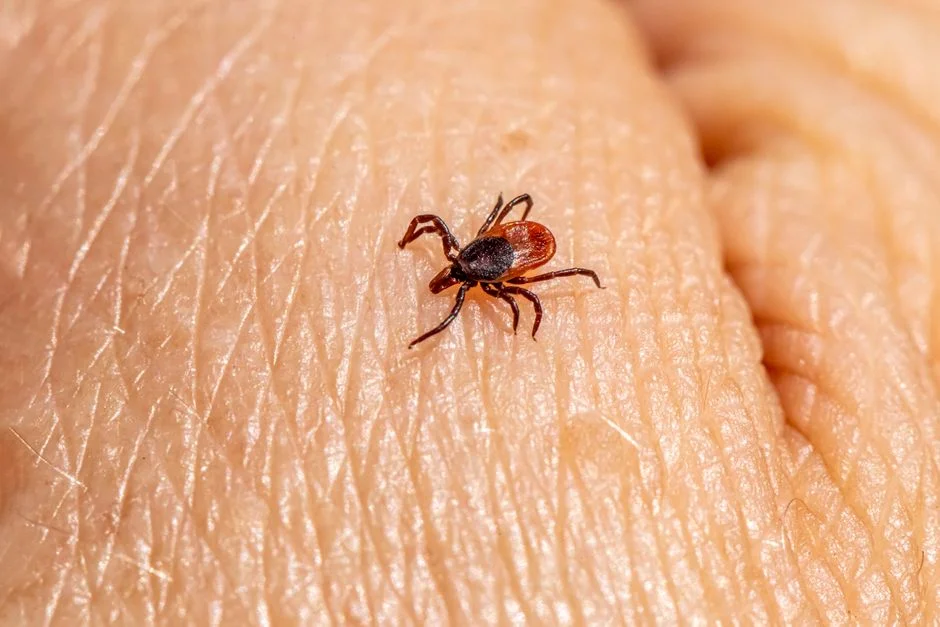
Parasitic infections of this kind typically originate from contaminated food or water sources. The infection cycle often involves intermediate hosts before reaching human tissue. Hospital officials have not disclosed whether Wang had recently travelled to rural areas or consumed undercooked meat products, which are common transmission routes.
Food Safety Concerns Surface


The case arrives at a sensitive moment for food safety regulators across the region. Guangdong Province serves as a major hub for agricultural production and food processing in China, supplying products to domestic markets and export channels alike. Any contamination issue at the source can ripple outward to affect consumers in multiple countries.
Singapore imports a substantial portion of its fresh produce and chilled goods from China. The Agri-Food and Veterinary Authority of Singapore maintains inspection protocols at entry points, though routine checks cannot catch every potential hazard. Health experts note that parasitic infections rarely trigger mass outbreak scenarios, but individual cases sometimes prompt reviews of existing safety frameworks.
Implications for Regional Trade
Food safety incidents, even isolated ones, can influence purchasing decisions among importers and retailers. Trade data shows that Singapore's imports of vegetables and seafood from China have grown steadily over the past five years. A loss of confidence in supply chain integrity could accelerate efforts to diversify sourcing away from single regions.
Supermarket chains and food service operators typically respond to credible health concerns by tightening supplier audits or temporarily suspending products from implicated origins. Whether this particular case warrants such measures remains unclear, but market observers will be watching for any official travel advisories or import alerts in the coming weeks.
Healthcare Quality Under Scrutiny
The successful removal of the parasites also highlights the technical capabilities of medical facilities in Guangdong. Major hospitals in the province have invested heavily in advanced surgical equipment and specialist training in recent years. The case demonstrates the ability to diagnose and treat complex parasitic conditions that might go unidentified in less equipped healthcare systems.
For medical tourists considering treatment in China, this case offers a mixed signal. On one hand, the successful extraction reflects sophisticated surgical capability. On the other, the initial year-long delay before proper diagnosis raises questions about primary care assessment standards. Medical tourism stakeholders in Singapore, where hospitals compete for international patients, may cite such incidents as evidence of the value of seeking treatment closer to home.
What Authorities Are Doing Next
Health officials in Guangdong have confirmed an investigation is underway to trace the source of the infection. The probe focuses on Wang's dietary history and recent travel patterns. Results from the investigation could take several weeks to finalise, according to sources familiar with the process.
Regional health networks, including those coordinated through the Association of Southeast Asian Nations, typically share information about unusual disease patterns. If authorities determine the infection originated from a commercial food product, notifications to trading partners would follow established protocols. The outcome of the investigation will determine whether regulatory actions are necessary.
Market and Investor Implications
For investors with exposure to food production companies operating in China, this case serves as a reminder of operational risks that extend beyond financial metrics. Food safety incidents can trigger immediate stock price declines, regulatory penalties, and lasting damage to brand reputation. Companies with strong quality assurance departments tend to weather such storms better than competitors with minimal safety investments.
Insurance providers covering cargo shipments of perishable goods may also reassess risk pricing if this case leads to broader concerns about parasitic contamination in agricultural exports. Premium adjustments typically lag behind actual incidents, but underwriters monitor industry trends closely when setting terms for the following year.
What Comes Next
The investigation in Guangdong is expected to conclude within the next month. If officials identify a specific source, such as contaminated pork or aquatic products, expect public announcements and potential import reviews by trading partners. Singapore's Ministry of Health has not issued any statements regarding this case, but the situation warrants monitoring given the close economic ties between the two countries.
Businesses importing food products from Guangdong should review their supplier documentation and consider requesting additional certifications. Retailers can expect inquiries from customers who encounter news coverage of the case. How the market responds in the short term will depend largely on whether the investigation produces clear answers or leaves questions unanswered.
See Also
- Vinesh Exits Asian Games Trial — What This Means for Singapore Sports
- Nvidia Concedes China AI Market to Huawei — Markets React