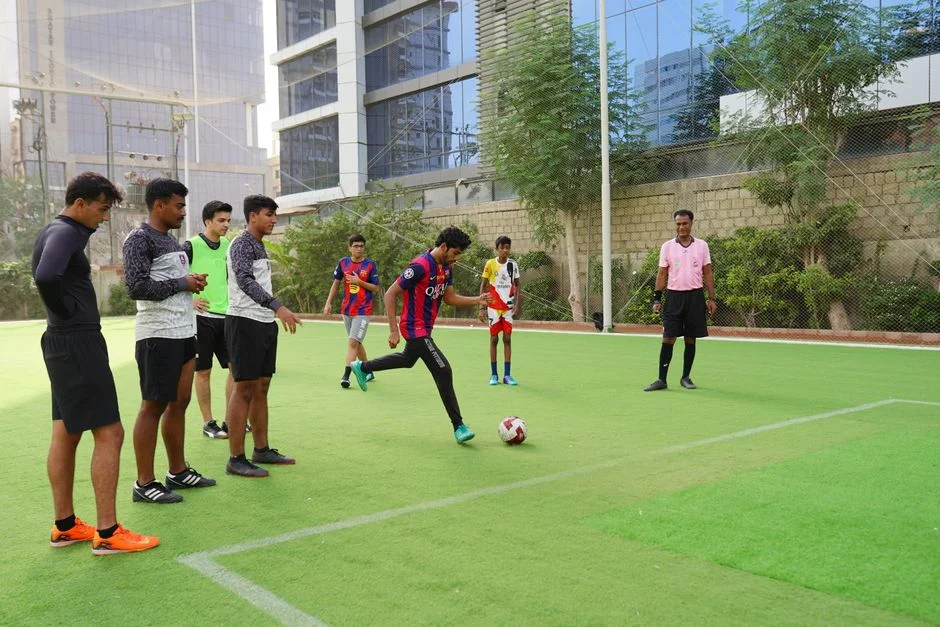
India will not compete at the World Cup this cycle. The national team fell short in qualification rounds, watching from the sidelines as other nations contested football's most prestigious tournament. Yet beneath that sporting disappointment lies a different story: the country is pouring resources into football infrastructure, youth development, and commercial partnerships that could reshape Asian football within a decade.
A Giant Awakens
The irony is hard to miss. India, home to over 1.4 billion people, has never qualified for the FIFA World Cup finals. The national team sits outside the top 100 in world rankings. Yet investment in the sport has surged. Private equity firms, sports conglomerates, and international clubs have turned their attention to Indian football, recognising untapped commercial potential in one of the world's largest youth populations.
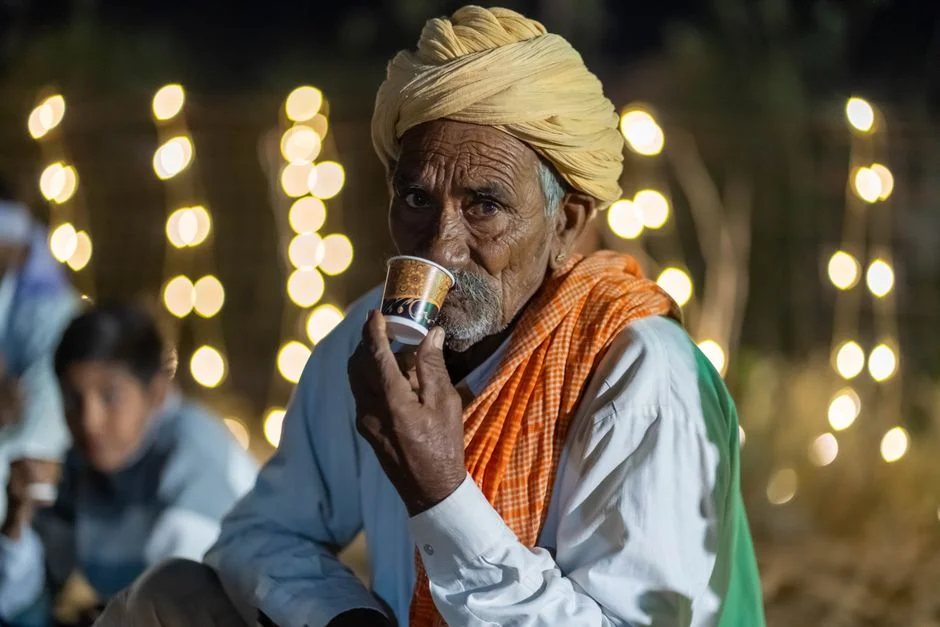
Sports industry analysts estimate India's football market could exceed $5 billion by 2030 if current growth trajectories hold. That figure has drawn attention from global investors who see India as the next major frontier in sports commerce.
The Indian Super League Model


The Indian Super League, launched in 2014, serves as the commercial engine driving this transformation. The franchise-based model brought international stars to Indian pitches, including former World Cup winners and European club legends. While the league still lags behind Premier League or La Liga in global recognition, it has created a sustainable revenue stream and, more importantly, a pipeline for domestic talent.
Club ownership has attracted serious capital. Reliance Industries, controlled by India's wealthiest businessman, holds controlling stakes in multiple franchises. Foreign football clubs, including those from England and Spain, have established youth academies in Indian cities, betting on long-term returns.
Sponsorship Revenue Growth
Corporate sponsorship deals have multiplied. Broadcast rights, once worth a fraction of cricket properties, have climbed steadily. Major brands in automotive, telecommunications, and consumer goods have signed multi-year agreements with ISL clubs, viewing football as access to a younger, urban demographic that cricket alone cannot reach.
What Investors Are Watching
The economic logic is straightforward. India represents the world's most populous country without meaningful presence at football's top table. That gap between population and sporting achievement creates opportunity. A competitive Indian national team would unlock merchandise sales, broadcasting fees, and sponsorship revenues on a scale that dwarf current returns.
Infrastructure spending has accelerated. New stadiums are under construction in Kochi, Kolkata, and Navi Mumbai. The national federation has committed to upgrading training facilities for youth players under 17. Government schemes supporting sports infrastructure have allocated funds specifically for football development in states with strong grassroots interest.
The 2027 Asian Cup, hosted partly in India, offers a realistic milestone. Qualifying for that tournament would mark India's most significant football achievement in decades and could serve as a springboard toward World Cup qualification ambitions.
The Talent Pipeline Problem
Critics point to persistent challenges. Grassroots participation, while growing, remains fragmented across regional leagues with inconsistent standards. Technical development of young players has historically lagged behind infrastructure investment. Some analysts argue that money alone cannot manufacture footballing culture where cricket remains dominant.
The national federation has acknowledged these concerns. Officials announced expanded scouting networks in Northeast India and rural areas where football traditionally competes with cricket for young athletes. Partnerships with European clubs aim to import coaching expertise and player development methodologies that have produced results in smaller footballing nations.
Market Implications
For businesses, India's football trajectory presents both opportunity and caution. Broadcasting companies seeking expansion in South Asian markets view a competitive Indian team as critical for subscriber growth. Sportswear brands have increased marketing spend in India, targeting football as a growth category beyond running shoes and cricket gear.
Private equity interest in club ownership has intensified. Multiple ISL franchises are exploring secondary share sales to institutional investors, a sign that the capital market for Indian football is maturing. Hospitality and travel companies are positioning for tournaments that may come to India if qualification ambitions materialise.
Currency and regulatory considerations remain factors for foreign investors. The Indian sports sector operates within complex ownership structures, and profit repatriation rules have historically complicated foreign investment in football clubs.
Timeline to Watch
The next 18 months will test India's ambitions. Asian Cup qualification matches scheduled for early next year will serve as an early indicator of whether development investments are translating to competitive results. ISL franchise values, currently estimated between $100 million and $300 million per club, will provide market signals about investor confidence in the sector's trajectory.
Global football bodies have taken notice. FIFA representatives have held discussions with Indian officials about potential co-investment in youth development programmes. Whether those talks produce concrete commitments could determine whether India's World Cup debut arrives in 2034 or remains permanently out of reach.
See Also
- Modi Defies Own Advice on Foreign Travel, Sparks Outrage from Punjab's Mann
- Bulls Bet On Ruan Nortje Ahead Of Japan’s Economic Push
Qualifying for that tournament would mark India's most significant football achievement in decades and could serve as a springboard toward World Cup qualification ambitions.The Talent Pipeline ProblemCritics point to persistent challenges. Some analysts argue that money alone cannot manufacture footballing culture where cricket remains dominant.The national federation has acknowledged these concerns.