The Indian Air Force has stepped in to transport NEET examination papers nationwide, a move that highlights the sheer logistical challenge of administering India's mega medical entrance exam to millions of candidates. The development comes amid heightened security concerns surrounding one of the world's largest standardized tests, raising questions about the resilience of India's examination infrastructure and its downstream effects on the education economy.
Security Operations for India's Mega Exam
NEET, the National Eligibility cum Entrance Test, serves as the sole gateway for admission to medical colleges across India. Each year, more than 20 lakh (two million) students register for the examination, requiring the printing, packaging, and distribution of question papers to thousands of centers spanning every state. The involvement of the Air Force signals that authorities deemed conventional logistics insufficient for maintaining exam integrity.
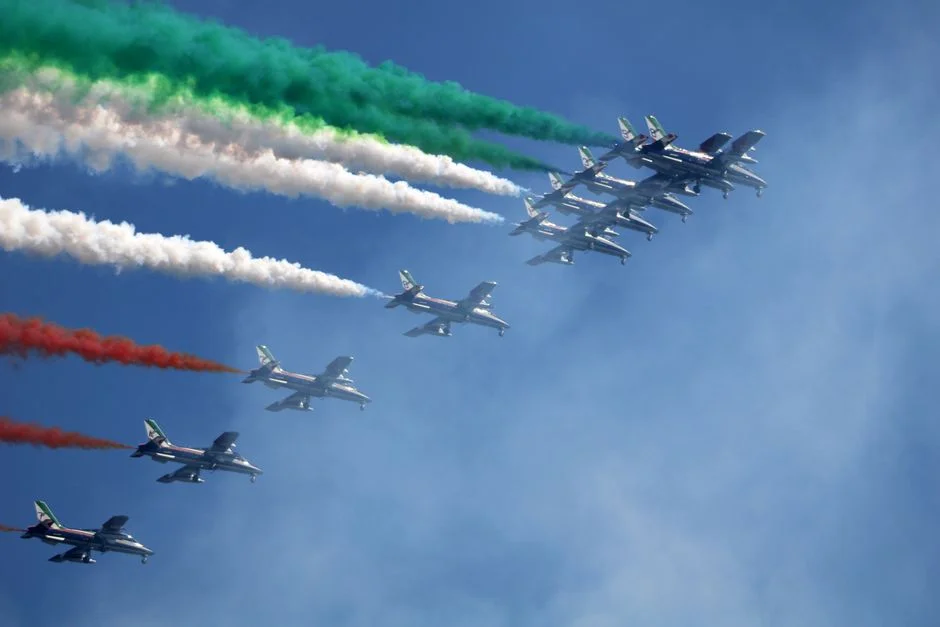
Question paper bundles were loaded onto Air Force aircraft at strategic locations before being airlifted to distribution hubs across the country. The operation involved coordination between the Education Ministry, state education boards, and military logistics teams. Officials confirmed that the Air Force deployment covered both remote areas and densely populated urban centers where the risk of leaks or tampering was considered highest.
Why This Matters for India's Education Sector


The examination system underpins a multi-billion-dollar education industry in India. Coaching centers, test prep platforms, and private tutoring services collectively generate billions in revenue annually, all dependent on the credibility of entrance examinations like NEET. Any breach in exam security directly impacts the business model of these enterprises and erodes parent and student confidence in the system.
EdTech companies operating in the medical preparation space, including major players headquartered in cities like Bangalore and Hyderabad, face particular scrutiny. Their growth projections assume a fair, tamper-free examination process. A compromised exam could trigger regulatory tightening, dampening investor sentiment in the sector and potentially triggering a pullback in funding for examination-oriented EdTech startups.
Investment Implications for Education Businesses
For investors tracking India's education sector, the Air Force intervention serves as a reminder of structural vulnerabilities in the examination supply chain. The NEET system relies on a complex network of printing presses, secure transport operators, and examination centers, each representing a potential point of failure. Companies that offer technology-driven alternatives, such as computer-based testing platforms or blockchain-verified paper distribution systems, may find increased investor interest in the wake of such logistical challenges.
Private medical colleges, which charge substantial fees running into lakhs of rupees per course, also have a stake in examination credibility. Any scandal involving question paper leaks could prompt the National Medical Commission to delay counselling processes, disrupting college revenue cycles and student placement timelines.
Economic Costs of Examination Logistics
The decision to deploy Air Force assets for paper transport adds a significant line item to the cost of conducting NEET. While the exact expenditure remains undisclosed, military airlifts for civilian purposes typically involve coordination costs, fuel expenses, and personnel deployment charges. These costs ultimately flow through to examination fees paid by students, many of whom come from middle-class families shouldering substantial financial burdens for test preparation.
State governments also bear costs for local logistics, including police security at examination centers and encrypted digital monitoring systems. The total public expenditure on NEET administration runs into hundreds of crores of rupees annually, a figure that attracts periodic scrutiny from parliamentary committees and audit bodies.
Student Impact and Market Reactions
For the millions of students who sat for the examination, the Air Force deployment brings reassurance but also anxiety about what prompted such extraordinary measures. Parents paying for coaching classes, mock tests, and study materials watched the news closely, weighing whether the enhanced security translates into better chances for their children in the highly competitive medical admission process.
Consumer spending on education in India has grown steadily, with households allocating significant portions of income to children's test preparation. Any perceived instability in the examination system could dampen this spending temporarily, affecting businesses ranging from stationary retailers to online learning platforms.
What Comes Next for NEET
The National Testing Agency, which administers NEET, is expected to announce results within the coming weeks. Following the results, the counselling process for medical college admissions will commence, a period that typically generates significant activity in the education services sector. Students and parents will be watching for any announcements regarding reforms to examination logistics ahead of the next cycle.
Regulatory attention on examination security is likely to intensify. Policymakers may consider mandating digital-first examination delivery for future cycles, a shift that would reshape the competitive landscape for education technology providers and reduce dependence on physical paper distribution networks. The next twelve months will determine whether India's examination infrastructure undergoes meaningful reform or returns to relying on conventional logistics for subsequent cycles.
See Also
- Singapore Faces 12.5% US Tariff Threat After Forced Labour Trade Probe
- Iran Nuclear Deal Collapses — Oil Markets React Sharply
Any scandal involving question paper leaks could prompt the National Medical Commission to delay counselling processes, disrupting college revenue cycles and student placement timelines.Economic Costs of Examination LogisticsThe decision to deploy Air Force assets for paper transport adds a significant line item to the cost of conducting NEET. The total public expenditure on NEET administration runs into hundreds of crores of rupees annually, a figure that attracts periodic scrutiny from parliamentary committees and audit bodies.Student Impact and Market ReactionsFor the millions of students who sat for the examination, the Air Force deployment brings reassurance but also anxiety about what prompted such extraordinary measures.
What is the latest news about india deploys air force aircraft to secure neet exam paper delivery?
Why does this matter for infrastructure-cities?
What are the key facts about india deploys air force aircraft to secure neet exam paper delivery?