Nepal finds itself squeezed between two Asian giants as India and China finalise border adjustments along their shared Himalayan frontier. The deal, which modifies demarcations in the Kalapani and Lipulekh regions, forces Kathmandu to reassess its trade relationships, infrastructure investments, and diplomatic positioning. For investors with exposure to South Asian markets, the ripple effects extend well beyond political maps.
What the Border Adjustments Actually Mean
The territorial clarification between New Delhi and Beijing grants both countries greater administrative control over transit points that Nepal has long disputed. Lipulekh, a trijunction where Nepal, India, and China meet, now falls under clearer bilateral jurisdiction between the two larger powers. Nepal's government has protested the lack of consultation, calling the moves "unilateral" and a violation of its sovereign claims.
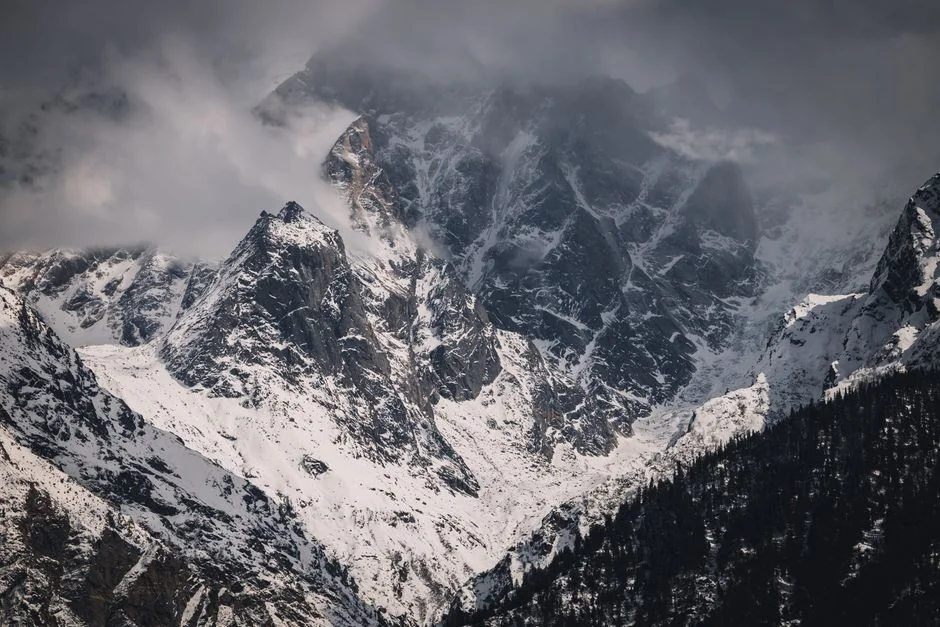
For decades, Kathmandu relied on informal arrangements governing these mountain passages. Yak caravans still carry goods through passes at altitudes exceeding 4,500 metres, following routes that have existed for centuries. The formalisation of India-China border protocols now threatens to sideline Nepal from negotiations that directly affect its access to northern trade corridors.
Trade Routes Hang in the Balance

Nepal imports roughly 60 percent of its goods through India, using overland routes that wind through the Himalayan foothills. Any disruption to these transit agreements could inflate costs for fuel, construction materials, and consumer products that landlocked Nepal cannot source domestically.
The China trade route through Rasuwa district offers an alternative, but infrastructure remains limited. The Kerung border crossing, which reopened in 2022 after a pandemic closure, handles only a fraction of the volume that India-bound routes manage. Local traders in Tatopani, a border town near the Chinese frontier, report that customs delays and road quality keep commercial volumes depressed.
Supply chain analysts in Singapore note that Nepal's geographic constraints make it uniquely vulnerable to transit disruptions. Unlike larger economies that can absorb route changes, Kathmandu has few alternatives when border arrangements shift.
Foreign Direct Investment Hesitates
Nepal attracted $590 million in foreign direct investment during the fiscal year ending mid-2023, according to the Investment Board Nepal. That figure represents a recovery from pandemic lows, but the border uncertainty introduces fresh caution among overseas investors.
Development partners, including the Asian Development Bank, have long conditioned infrastructure loans on regional stability assumptions. If trade corridors become unreliable, the calculus for hydropower projects—Nepal's flagship economic opportunity—changes substantially.
Singapore-based logistics firms with South Asian operations are monitoring the situation. Several carriers use Nepal as a transshipment point for goods moving between China and India, routing through Kathmandu's southern plains when direct border crossings face congestion. Any formalisation of China-India border management that restricts these informal channels could force expensive rerouting.
Hydropower Ambitions Face New Complications
Nepal possesses estimated hydroelectric potential exceeding 40,000 megawatts, but exploitation requires capital and stable offtake agreements. The country's energy strategy contemplates exporting surplus power to both India and China, leveraging its position as a neutral intermediary.
The border realignment complicates this positioning. If India and China formalise coordinated infrastructure development along their shared frontier, Nepal's role as a transit country diminishes. Export agreements typically include provisions for transmission routes, and the loss of disputed territories reduces the land available for pipeline and cable corridors.
Power trade negotiations already stalled repeatedly over technical standards and pricing. The geopolitical shift adds another layer of complexity that investors cannot model easily.
The Nepalese Government Responds
Kathmandu's reaction has combined diplomatic protest with domestic political management. Parliamentarians from opposition parties have demanded that the foreign ministry summon Indian and Chinese representatives for explanations. The government, meanwhile, has issued statements emphasising that Nepal's map remains unchanged and that any external demarcation lacks legal standing without Kathmandu's consent.
The Ministry of Foreign Affairs in Nepal has asked development partners to take note of the "unilateral actions" and consider how aid conditions might be affected. This language suggests Kathmandu may seek leverage through international financial institutions, though the effectiveness of such appeals remains unclear.
What Comes Next for Regional Business
The immediate question is whether Nepal will pursue formal objections through international bodies or accept the new realities and negotiate better terms. Neither path offers quick resolution. International court processes move slowly, while bilateral talks require Nepal to engage from a position of reduced leverage.
For Singaporean businesses, the practical concerns are more immediate. Nepal's reliance on Indian transit routes means that any India-China border formalisation that restricts informal trade could raise input costs for products assembled or manufactured in Nepal using components from both neighbours. Sectors most exposed include textiles, processed foods, and light manufacturing.
The Himalayan winter limits trade volumes regardless of political arrangements. Mountain passes close from December through March, leaving only brief windows for overland commerce. Investors should watch whether the spring reopening in 2025 proceeds normally or whether new documentation requirements slow border crossings.
Regional summits scheduled for the coming months may clarify whether India and China intend to institutionalise their border management or leave room for Nepal's continued participation. Until then, uncertainty remains the primary economic variable affecting the Himalayan state.
See Also
- Kotak Sounds Rally Cry for India Inc to Resume Capital Spending
- Singapore Businesses Slam Brakes on GenAI Adoption - When's the Safe Time to Dive In?
This language suggests Kathmandu may seek leverage through international financial institutions, though the effectiveness of such appeals remains unclear. Any formalisation of China-India border management that restricts these informal channels could force expensive rerouting.