Hongkongers are scrambling to acquire driving instructor licences as scarcity drives their market value to unprecedented levels. The licences, which grant holders the right to operate commercially in the city, have become a sought-after commodity amid a chronic shortage of qualified instructors. Industry observers say the trend reflects broader labour market pressures reshaping how Hong Kong residents pursue stable income in a competitive economy.
Licence Values Climb as Shortage Worsens
The South China Morning Post reported that driving instructor licences in Hong Kong now command prices far exceeding their historical averages. For Hongkonger Fung Fu, who has watched the market evolve over years, the current frenzy represents a fundamental shift in how these credentials are valued. Unlike traditional career paths, holding a licence guarantees steady work in a sector where demand consistently outpaces supply.
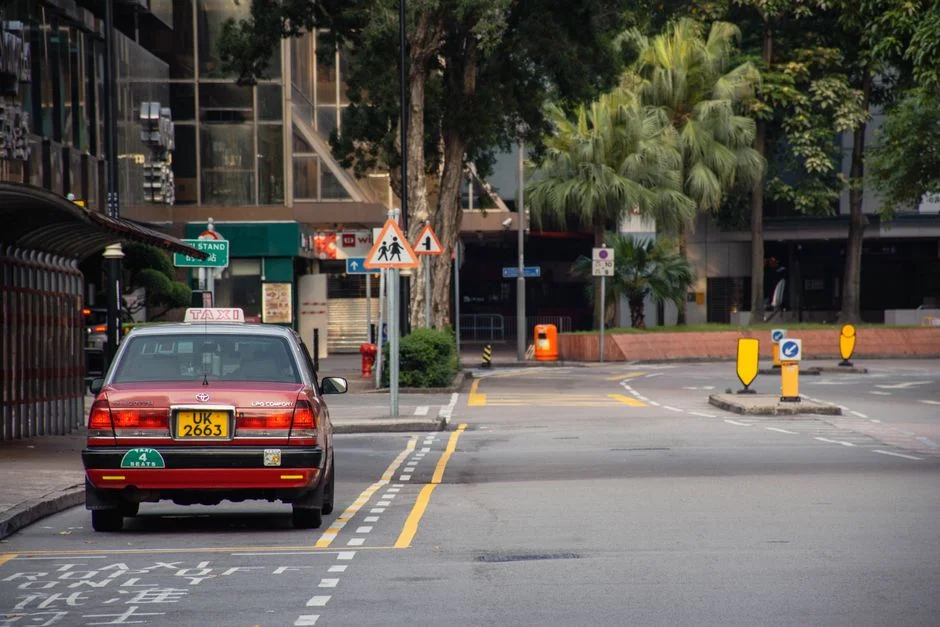
Local driving schools report waiting lists stretching months as prospective students compete for limited instructor availability. The shortage stems partly from stringent qualification requirements and an aging workforce reluctant to mentor new entrants. New applicants must pass rigorous theoretical and practical examinations before receiving approval to teach.
Economic Pressures Fuel the Gold Rush


For many Hongkongers, obtaining a driving instructor licence represents an attractive path to financial security in an uncertain job market. The licence functions as an asset that generates recurring income without the volatility affecting other sectors. Unlike corporate employment, instructor work offers schedule flexibility and relative independence from economic cycles.
Property and retail industries have shed workers over recent years, pushing job seekers toward alternative vocations. A driving instructor licence requires an upfront investment but promises stable returns once operational. This calculus appeals particularly to mid-career professionals seeking escape routes from unstable employment.
Investment Logic Behind the Licence Rush
Prospective licence holders calculate potential earnings against acquisition costs and regulatory compliance fees. The mathematics prove compelling in a city where housing expenses consume large portions of household budgets. An instructor serving five students daily can generate income rivalling white-collar positions requiring university degrees.
Financial advisors note that driving instruction represents one of few professions where licensing directly translates to immediate earning capacity. The barrier to entry, while substantial, guarantees a protected market position unavailable in most industries. Licence scarcity effectively creates artificial value appreciation for existing holders.
Regulatory Bottlenecks Compound the Problem
The Transport Department administers licensing examinations, but processing delays have stretched approval timelines to over a year in some cases. Applicants must complete mandatory training programmes before sitting for tests, adding both time and expense to the qualification process. These bottlenecks ensure supply remains constrained even as demand grows.
Critics argue the regulatory framework prioritises quality control over accessibility, creating structural incentives for licence price inflation. Existing licence holders benefit from reduced competition, while new entrants face years of preparation before market entry. The arrangement resembles professional licensing regimes in medicine or law, where credential scarcity protects incumbent interests.
Business Implications for Driving Schools
Hiring qualified instructors has become the primary constraint limiting driving school expansion. Schools offering instructor positions report receiving applications far exceeding available slots, but qualified candidates remain scarce. Some schools have begun purchasing existing licences directly rather than waiting for new qualification pipelines to develop.
The consolidation trend benefits large operators with capital to acquire licences but marginalises smaller enterprises unable to compete on acquisition costs. Industry concentration appears likely as licence values continue climbing, potentially reducing consumer choice and increasing pricing power for dominant players.
What Comes Next for the Licence Market
The Transport Department faces pressure to accelerate processing times without compromising examination standards. Industry groups have requested meetings with officials to discuss supply-side reforms that could increase licence availability. Any policy changes would take months to implement, leaving the current scarcity dynamics intact through at least mid-year.
Prospective licence holders should expect competition for acquisition opportunities to intensify as awareness spreads. Auction platforms and broker networks dealing in driving instructor licences report surging inquiry volumes. Watch for further price appreciation unless regulatory intervention disrupts the supply-demand imbalance driving this unexpected labour market phenomenon.
See Also
- US Slams Trading Partners in Investigation - China, India, and EU Face Scrutiny
- Nigeria Military Denies Zamfara Casualties As UN Demands Probe