China's announcement of zero-tariff treatment for a range of African goods has sparked cautious optimism across the continent, but analysts warn that small businesses face significant hurdles before they can capitalise on the new access to the world's second-largest economy.
What the policy actually offers
The measure, announced at the 2024 Forum on China-Africa Cooperation in Beijing, covers more than 100 tariff lines covering agricultural products, minerals, and manufactured goods from least-developed African countries. Zambia, which exports copper and gemstones to China, stands to gain from reduced duties on raw materials. Nigeria, Africa's largest economy, could benefit from improved market access for its agricultural exports, though implementation details remain unclear.
Business Africa, the continental business federation, has been tracking the policy's rollout closely. The organisation notes that while the tariff reductions represent a genuine opportunity, the devil lies in the details of compliance, logistics, and market readiness.
Small businesses face structural barriers


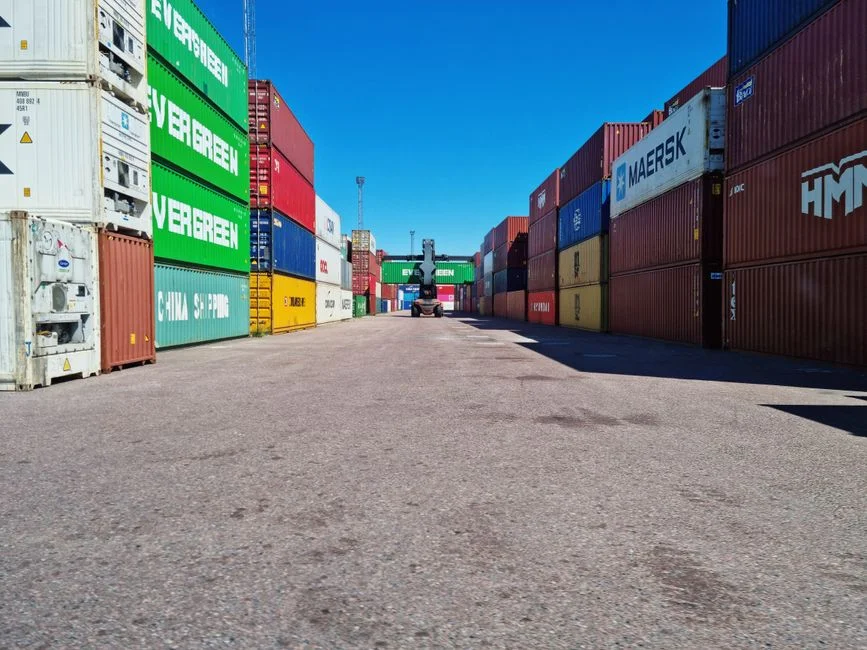
For Africa's small and medium enterprises, accessing the Chinese market requires more than just favourable tariffs. Transport costs from landlocked nations like Zambia to Chinese ports remain prohibitively expensive. Local producers often lack the scale, quality certifications, and supply chain infrastructure needed to compete with established exporters from South America and Southeast Asia.
The World Bank estimates that intra-African trade accounts for only about 15 percent of the continent's total commerce, suggesting that many businesses are already struggling with cross-border logistics closer to home. Reaching Chinese consumers demands even greater operational sophistication.
Compliance and certification challenges
Chinese customs authorities enforce strict phytosanitary standards and product safety regulations. Smallholder farmers and artisanal miners across Zambia and Nigeria frequently lack the documentation and testing facilities to meet these requirements. Without government-backed support programmes, the zero-tariff access risks becoming a theoretical benefit rather than a practical one.
Who stands to gain most
Larger manufacturers and established commodity traders are better positioned to navigate the compliance maze. Zambia's copper exporters, dominated by a handful of multinational mining companies, will find the tariff reductions straightforward to exploit. Nigerian agribusinesses with existing export experience may also be able to scale up quickly.
Business Africa has called on African governments to invest in quality assurance labs, trade facilitation centres, and digital platforms that could help smaller players meet Chinese market standards. Without such support, the policy's benefits will flow disproportionately to larger firms.
Competition from other developing nations
China already has preferential trade agreements with dozens of countries. African small businesses will compete against Brazilian soybeans, Vietnamese coffee, and Indonesian palm oil, all of which benefit from established supply chains and decades of relationship-building with Chinese buyers.
Market analysts note that African exporters also face currency volatility. The Zambian kwacha and Nigerian naira have both depreciated sharply against the US dollar in recent years, adding another layer of uncertainty to pricing strategies for the Chinese market.
Government support and next steps
Zambia's Ministry of Commerce has begun consultations with Business Africa about designing export readiness programmes. Officials in Lusaka have suggested that the country could prioritise commodities where it holds natural advantages, such as gemstones and specialty crops. However, concrete support measures have yet to be announced.
In Nigeria, the African Development Bank has flagged potential financing mechanisms for businesses seeking to diversify into Asian markets. Whether these instruments will reach small enterprises at scale remains to be seen.
What small businesses should watch
Businesses interested in accessing the Chinese market under the new tariff regime should monitor several developments over the coming months. First, the specific product categories covered by zero-tariff treatment will be published in full by Chinese customs authorities. Second, Zambia and Nigeria are expected to announce domestic support programmes for qualifying exporters. Third, Business Africa has indicated it will release guidance documents for member firms seeking to understand compliance requirements.
The window for action is narrowing. China's trade policy landscape shifts regularly, and other developing regions are lobbying for similar concessions. African small businesses that move quickly to establish relationships with Chinese buyers and invest in quality certification could gain a lasting foothold in a market of 1.4 billion consumers.
See Also
- Hollywood Cuts Biggs Channel, Launches VinTV in SG Market
- Amnistia Calls for Peace Deal — Investors Eye Middle East Stability