Dannie Peng, a journalist working for international media, was detained in Xinjiang for several days after authorities accused her of espionage while she reported on the region's energy infrastructure. Peng maintained she was simply covering China's oil, gas, and coal operations across the region. The case has now raised fresh questions about the risks facing foreign journalists and businesses operating in Xinjiang's critical energy sector.
What happened in Xinjiang
Peng arrived in Xinjiang on a reporting visa, she said, intending to document the scale of China's energy production from the region. Within days, security officials detained her. They accused her of conducting espionage, a charge that carries serious penalties under Chinese law. Peng denied the allegations, insisting her work focused solely on energy facilities and industrial activity. After several days in custody, authorities released her without formal charges, though her passport remained confiscated.
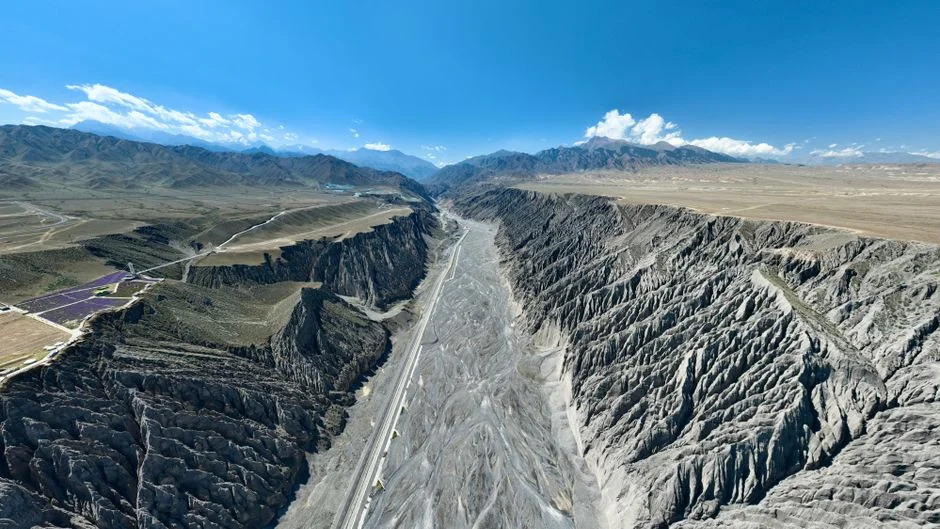
The detention occurred in the regional capital of Ürümqi, according to reports. Peng described being held in a location she could not identify, with limited access to legal representation. Her employer confirmed she had been on assignment to cover energy production, not political or human rights topics. The timing coincided with heightened security across Xinjiang, where authorities maintain strict controls on journalistic activity.
Xinjiang's role as China's energy heartland

Xinjiang sits atop some of China's most valuable natural resource deposits. The region produces a significant share of the country's crude oil and natural gas output, while also hosting major coal mining operations. Pipelines running from Xinjiang transport gas to eastern provinces, feeding industrial centres and urban populations alike. Energy companies, both state-owned and foreign, have long sought access to Xinjiang's reserves.
The economic importance of Xinjiang's energy sector extends beyond domestic supply. China uses Xinjiang as a base for processing and transporting energy imports from Central Asia. The region also serves as a strategic corridor for the Belt and Road Initiative, linking energy suppliers to Chinese markets. Any disruption to production or investment flows from Xinjiang carries implications for regional and global energy pricing.
Why foreign journalists face growing scrutiny
China has tightened controls on foreign reporting in recent years. Journalists from international media outlets have experienced increased surveillance, harassment, and expulsion. TheEspionage Law, revised in 2023, broadened the definition of activities that could be classified as spying, raising concerns among legal experts and businesses alike. Reporting on sensitive sectors such as energy, defence, or technology now carries heightened legal risk.
Peng's case illustrates how broadly authorities can apply espionage accusations. Her reporting subject—energy infrastructure—falls within sectors the government considers strategically important. International press freedom organisations have documented a pattern of foreign journalists being detained or expelled after investigating topics deemed sensitive. The Peng case suggests companies and media organisations alike must reassess due diligence when planning work in Xinjiang.
Business and investor implications
For foreign companies with energy interests in Xinjiang, the Peng case reinforces existing concerns about operational risk. Multinational firms have faced difficulties sending employees or contractors to the region, with some reporting that their staff encountered questioning or surveillance. Joint ventures with state-owned Chinese energy companies require careful management of information flows and site access.
Investors tracking Chinese energy stocks or commodity markets should note how Xinjiang's production levels affect supply forecasts. Disruptions—whether from security operations, weather, or policy changes—can move prices for oil, gas, and coal across Asia. The Peng case does not indicate any production impact, but it highlights the opaque environment in which Xinjiang's energy sector operates. Companies seeking to invest or partner with Chinese energy firms face reputational and legal risks that do not always appear in formal disclosures.
What comes next
Peng remains in China while authorities decide whether to return her passport. Her employer has declined to comment on whether they will seek to resume reporting operations in Xinjiang. Chinese officials have not elaborated on the specific grounds for the espionage accusation, beyond a brief statement confirming her detention and release.
Watch for whether foreign ministries or press freedom groups raise the case in upcoming diplomatic discussions with Beijing. The Peng incident may influence how international news organisations assess travel requests for Xinjiang assignments. For energy market participants, the broader signal is clear: accessing information about Xinjiang's production remains difficult, and the journalists attempting to document it face real legal jeopardy.
See Also
- Helen Zille Warns Against Race-Based Politics in South Africa
- Tibet's Economic Revival Faces New Political Headwinds