Fresh university graduates in Singapore who land AI-related roles are now commanding salaries of up to $90,000 a year, outpacing overall wage growth in the city-state by a factor of five. The disparity is reshaping hiring strategies across the financial, technology, and industrial sectors, according to data published this week.
A Salary Boom With Few Precedents
The numbers are striking. While average wages across Singapore grew at a steady but modest pace, compensation for AI professionals has climbed sharply. Entry-level roles in artificial intelligence now frequently start in the $70,000 to $90,000 range, a figure that would have been unimaginable for graduate positions a decade ago.
The shift reflects the scarcity of talent locally. Universities have struggled to produce enough graduates with machine learning, data science, and software engineering skills to meet demand from banks, tech conglomerates, and a growing roster of AI startups. Recruiters report that a single qualified candidate can field multiple job offers within days of going on the market.
Who's Driving the Hiring Frenzy


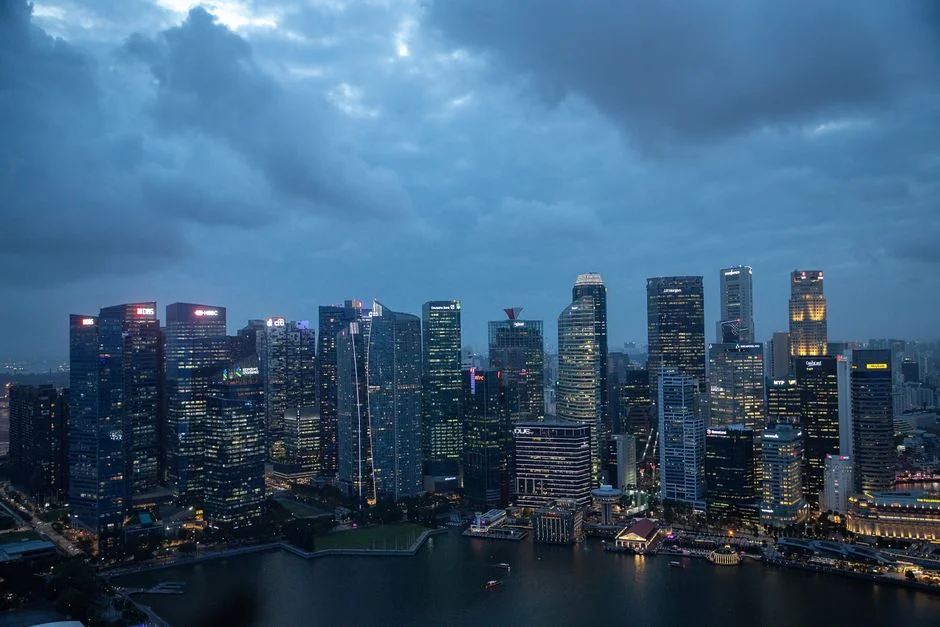
Financial institutions are among the most aggressive spenders. Banks operating in Singapore's CBD have launched dedicated AI divisions over the past two years, poaching talent from technology firms and offering signing bonuses that rival those seen in initial public offerings. Regional headquarters for global lenders have similarly ramped up headcount, viewing AI capabilities as essential to staying competitive.
Technology giants with operations in Singapore have not stood idle. Major cloud providers and semiconductor companies have expanded their local research facilities, adding hundreds of roles in neural network development and large language model training. These firms are competing directly with financial services firms for the same small pool of graduates.
The Startup Angle
Smaller AI startups face a harder calculus. Without the balance sheets of banks or multinationals, they compete through equity packages and the promise of faster career progression. Several founders interviewed by local media acknowledged that retaining staff has become their single biggest operational challenge. One generative AI startup in Jurong Innovation District reported losing two engineers to competitor offers within a single quarter.
What This Means for the Economy
Singapore's economic planners have long championed the city as a hub for innovation and financial services. The AI salary surge underscores both the opportunity and the strain. On one hand, high wages signal that Singapore has successfully positioned itself as a destination for cutting-edge work. On the other, the gap between AI compensation and other sectors risks widening inequality and pushing talented workers away from roles in healthcare, public service, and education.
Investors have taken notice. Singapore-listed companies with meaningful AI exposure have seen their share prices climb as analysts factor in the expectation of stronger revenue growth tied to artificial intelligence deployment. Property analysts have also begun modelling increased demand for premium residential units near talent clusters in one-north and the central business district.
Government Response and Policy Implications
Authorities have recognised the structural shift. The Ministry of Digital Development and Information has flagged AI talent development as a national priority, with expanded subsidies for tech-focused graduate programmes. Industry observers note that Singapore's ability to retain its position as a regional technology hub will depend heavily on whether supply of skilled workers can catch up with accelerating demand.
The salary data has also reignited debate about work pass policies. Companies have increasingly relied on foreign specialists to fill senior AI roles, a practice that critics argue suppresses wages for local workers. Proponents counter that importing talent accelerates knowledge transfer and keeps Singapore competitive against regional rivals in Kuala Lumpur and Jakarta.
Regional Comparison
Singapore is not alone in experiencing the AI wage phenomenon. Technology hubs across Asia have reported similar trends, though the scale differs markedly. Hong Kong, Seoul, and Tokyo have all seen AI compensation rise faster than average wages, but the premium in Singapore appears among the steepest in the region. Recruiters attribute this partly to Singapore's concentration of family offices and asset management firms, which have begun deploying AI for portfolio management and risk assessment.
The regional dimension carries implications for multinationals deciding where to base AI teams. A company weighing Singapore against other Asia-Pacific locations must now factor in significantly higher personnel costs, balanced against the city's stable regulatory environment and proximity to Southeast Asia's growing consumer markets.
What Comes Next
The pressure on salaries is unlikely to ease soon. Industry surveys suggest that demand for AI talent in Singapore will continue outpacing supply for at least the next two to three years, keeping bargaining power firmly with candidates. Companies that delay building AI capabilities risk falling behind competitors who locked in talent during this window.
Watch for further announcements from major banks and technology firms about AI headcount expansion in Singapore. The next quarterly reporting season will offer fresh clues about how companies are allocating capital between technology investment and talent acquisition. For graduates entering the job market, the message is clear: AI roles offer a compensation ladder that few other sectors can match right now.
See Also
- Yastika Bhatia's Blitz Seals India's Dominant T20 Win Over England at Chelmsford
- Taiwan Travelogue Wins Booker Prize — What This Means for Mandarin Growth
Property analysts have also begun modelling increased demand for premium residential units near talent clusters in one-north and the central business district. Companies have increasingly relied on foreign specialists to fill senior AI roles, a practice that critics argue suppresses wages for local workers.