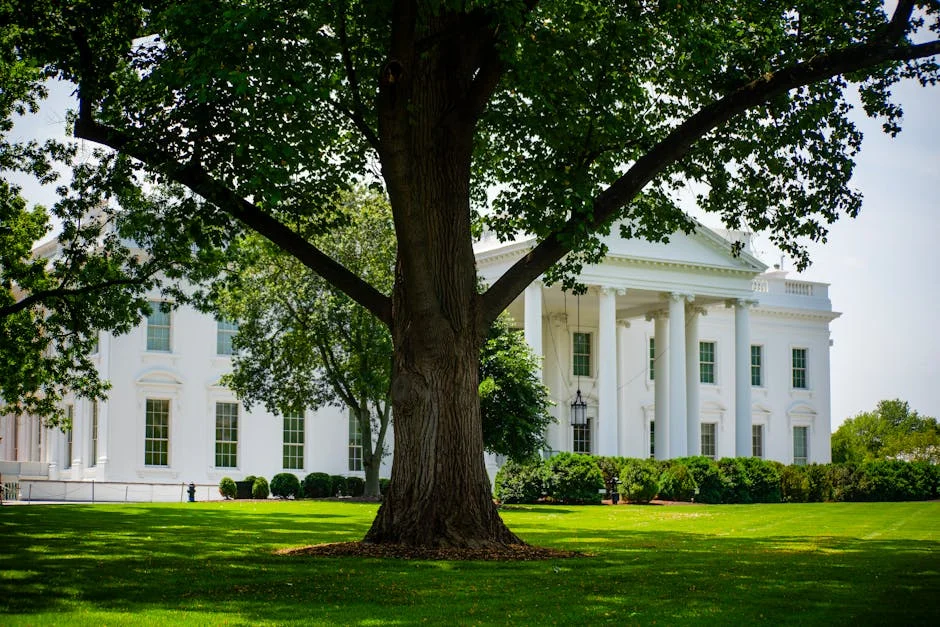
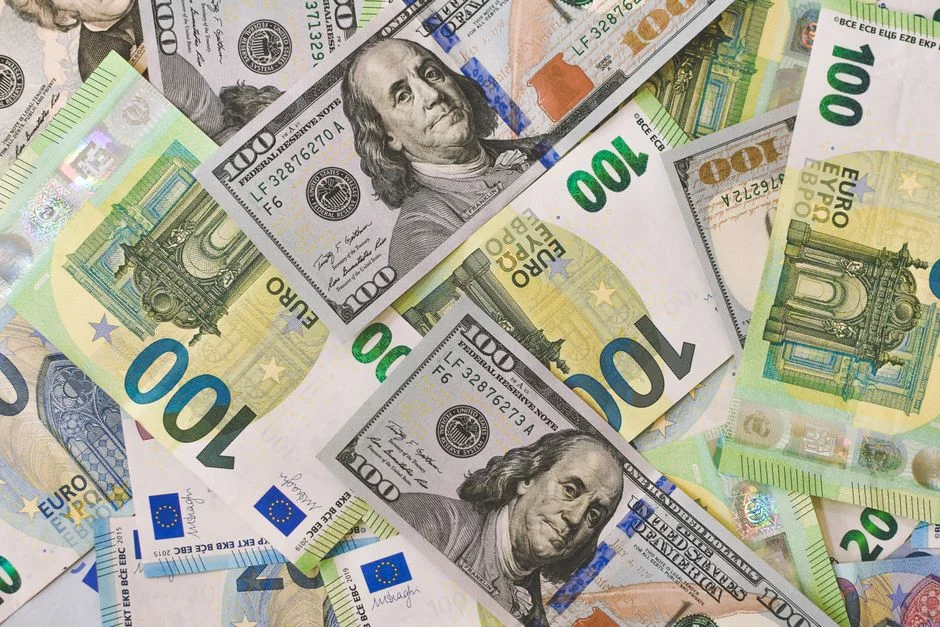
The United States confirmed on Wednesday it will impose an additional 12.5% tariff on Indian goods under Section 301 of the Trade Act, a move that throws the long-running bilateral trade negotiations into disarray. The levies, targeting a range of sectors from pharmaceuticals to textiles, signal a sharp escalation in Washington's protectionist stance and immediately rattled markets across Asia. India had been seeking a bilateral trade agreement that could unlock greater market access for its exporters, but those talks now appear to be on hold indefinitely. Officials in New Delhi confirmed they were reviewing their options, including potential retaliatory measures.
Section 301: The Legal Weapon Behind the Tariffs
Section 301 gives the American president broad authority to impose tariffs on countries deemed to be engaging in unfair trade practices. Unlike Section 232, which targets national security concerns, or the mutual customs evaluation process under Section 232, Section 301 investigations focus on intellectual property theft, forced technology transfer, and other trade barriers. The USTR office conducted a months-long review before recommending these additional levies. Trade lawyers in Singapore say the ruling sets a dangerous precedent for other economies in the region. Washington has framed the tariffs as necessary to correct a persistent trade imbalance that it values at tens of billions of dollars annually.
What the 12.5% Levy Actually Covers

The tariff applies to a broad swathe of Indian exports to the United States, spanning labour-intensive industries that employ millions of workers across India's states. Agricultural products, leather goods, and certain electronics components face the steepest incremental burden. Industry groups in Mumbai and Bangalore warned that many small and medium enterprises simply cannot absorb the additional cost without raising prices or cutting output. The pharmaceutical sector, which supplies roughly 40% of generic drugs consumed in America, received a partial exemption under a separate arrangement, but trade analysts say the relief may be short-lived. Supply chains that run through Singapore and ports in the Gulf now face disruption as buyers scramble to recalculate costs.
Impact on India's Export Economy
India shipped more than $120 billion in goods to the United States last year, making America its single largest export destination. A 12.5% tariff effectively raises the cost of those products for American buyers at a time when competition from Vietnam and Bangladesh is intensifying. Exporters in the Tirupur garment cluster told local media they are already fielding calls from buyers threatening to shift orders elsewhere. The rupee weakened against the dollar in early Thursday trading as currency markets absorbed the news. Finance ministry officials in New Delhi declined to specify what countermeasures they are considering, though analysts expect some form of reciprocal tariff announcement within weeks.
Trade Deal Negotiations Take a Direct Hit
For more than a year, American and Indian officials held regular discussions aimed at reaching a limited trade agreement that could reduce barriers on both sides. Those talks had shown signs of progress in late last year, with both governments hinting at a potential framework deal by early this year. The tariff announcement effectively resets that timeline to zero. American trade officials indicated the levies will remain in place until India addresses concerns around market access and digital trade restrictions. Indian commerce ministry representatives called the move counterproductive and said they remained open to dialogue. The breakdown comes as a relief to competing Asian economies that have been watching the negotiations closely, as any India-US deal could have shifted investment flows away from Southeast Asia.
Market Reaction: Singapore Exchange and Regional Stocks Feel the Shock
Singapore's stock exchange saw selling pressure on Thursday as investors assessed the spillover effects on regional supply chains. Companies with significant exposure to Indian manufacturing operations or bilateral trade flows with America bore the brunt of the decline. The Straits Times Index dipped more than 1% in early trade before recovering some ground by midday. Logistics firms and container shipping companies that route cargo through Singapore to connect Indian exporters with American buyers face particular uncertainty. Bank of Singapore analysts noted in a morning note that the tariffs could accelerate efforts by multinational companies to diversify sourcing away from India entirely. That shift could benefit Vietnam, Thailand, and Indonesia, but it would also disrupt established trade corridors that pass through Singapore's port.
Investment Implications for Singapore-Based Funds
Fund managers in Singapore's financial district are reassessing exposure to Indian equities and bonds following the tariff shock. Several large asset management firms told reporters they had already reduced positions in Indian export-oriented companies before the announcement was confirmed. The uncertainty has widened credit spreads for Indian corporate bonds, making it more expensive for companies to raise capital internationally. Singapore's central bank, the Monetary Authority, issued no immediate statement but market participants expect the issue to surface in upcoming public remarks. For retail investors holding Singapore-listed exchange-traded funds with heavy Indian exposure, the message from analysts is clear: volatility is here, and the timeline for resolution remains unclear.
What Comes Next: Deadlines and Diplomatic Pressure
India's commerce ministry indicated it will seek emergency consultations with American counterparts through the World Trade Organization framework, though those proceedings typically take years to resolve. Separately, New Delhi could announce retaliatory tariffs on American goods, targeting sectors such as almonds, apples, and aerospace components where the United States runs a trade surplus with India. American farm state lawmakers, already nervous about existing trade disputes, are watching closely for any Indian move against agricultural exports. For businesses in Singapore with interests in either market, the immediate priority is to lock in contract terms and review force majeure clauses before the tariffs take full effect. Industry observers say the next two weeks will determine whether both governments return to the negotiating table or allow the dispute to escalate further.
See Also
- US Economist Slams Anti-India Bias — Markets React to Talent War
- India Forces Foreigners to Register Within 180 Days — Impact on Business Growth
What is the latest news about trump confirms 125 tariffs on india trade deal talks stall?
Why does this matter for world-affairs?
What are the key facts about trump confirms 125 tariffs on india trade deal talks stall?