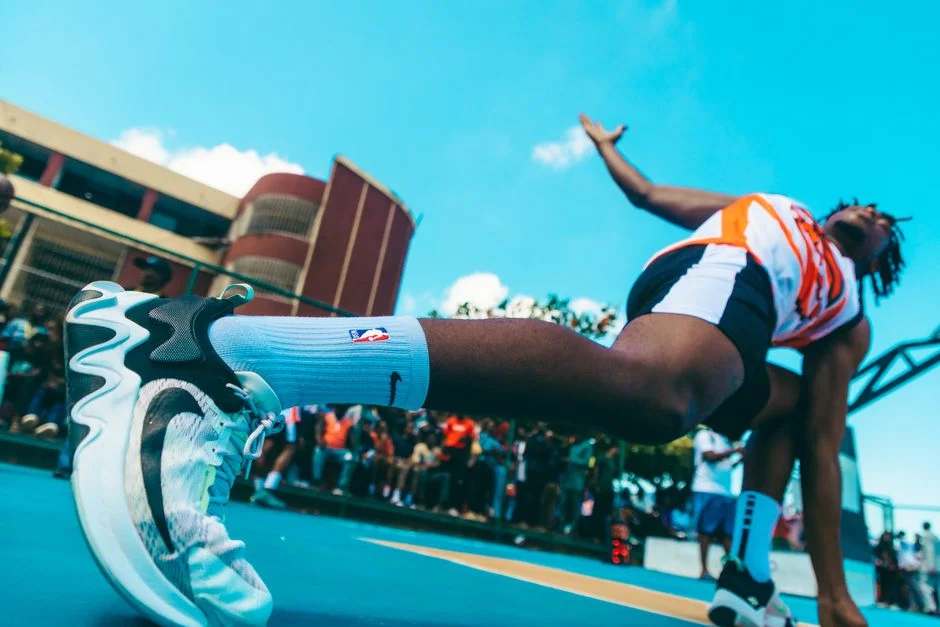
Nigeria and China have formalised a new partnership to bring Chinese martial arts instruction to Nigerian youth, with officials from both nations signing an agreement that could reshape the West African sports training market. The deal centres on Wushu, the traditional Chinese martial arts discipline that has gained global popularity through international competitions and film.
What the Agreement Covers
The exchange programme will see Chinese Wushu instructors travel to Nigeria to train local coaches and students, while Nigerian athletes gain access to specialist facilities in China for advanced instruction. Nigerian sports authorities confirmed the programme targets participants aged 12 to 25, a demographic that represents the fastest-growing segment of the country's sports sector.
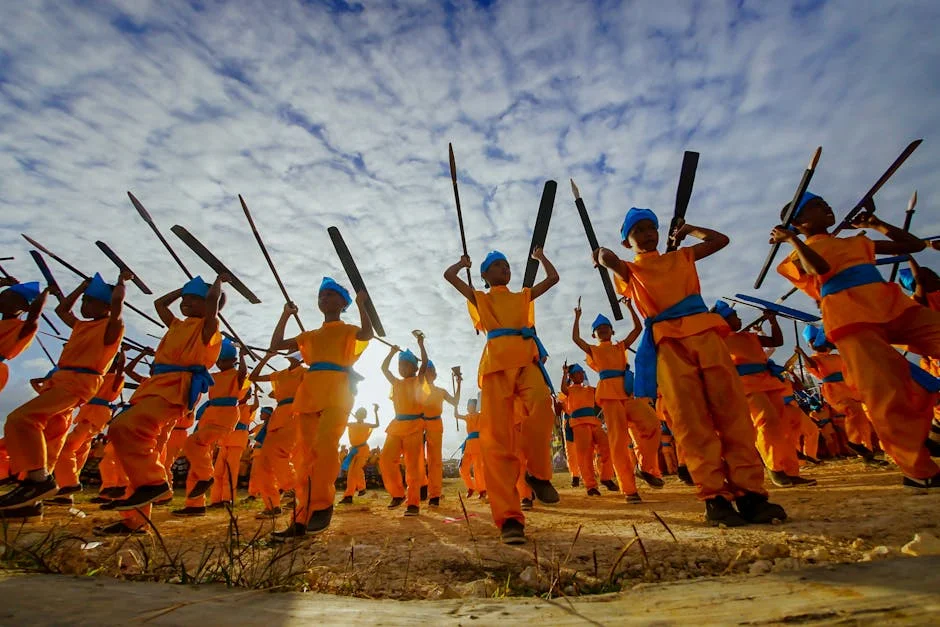
Local media reported that the first cohort of Chinese coaches is expected to arrive in Lagos within six months of the signing. The arrangement also includes provisions for certification standards, allowing Nigerian athletes to earn credentials recognised by the International Wushu Federation.
Economic Stakes for Nigeria's Sports Industry


The sports economy in Nigeria generates an estimated ₦300 billion annually, according to industry estimates, with martial arts representing a small but expanding niche. Industry analysts have pointed to the Wushu exchange as a potential catalyst for growth in a sector that has struggled to attract consistent investment.
Sports businesses in Lagos and Abuja are already monitoring the agreement for commercial opportunities. Wushu equipment suppliers, training academies, and event organisers could benefit from increased participation rates, while the tourism dimension—bringing Chinese visitors for competitions and cultural events—may generate secondary revenue streams.
Investment Implications for Regional Markets
Singapore-based sports investment firms have shown interest in emerging market sports programmes, particularly those with cross-border training components. The Nigeria-China Wushu arrangement could serve as a template for similar deals across Southeast Asia, where martial arts traditions already enjoy strong cultural roots.
Regional competitors in Ghana and Kenya may face pressure to develop comparable international partnerships or risk losing athletes and investment to Nigeria's expanding programme. The economic logic is straightforward: countries that attract international sports exchange programmes tend to see growth in ancillary sectors including equipment retail, facility management, and media rights.
China's Strategic Interest in Wushu Diplomacy
For China, the partnership reflects a broader strategy of using Wushu as a tool for soft power engagement across Africa. Chinese sports authorities have pursued similar agreements with more than 30 nations, establishing training centres and certification pathways that reinforce cultural ties alongside economic relationships.
The International Wushu Federation, headquartered in Beijing, coordinates these programmes and provides technical support to partner countries. This infrastructure gives China a significant advantage in shaping global martial arts standards and growing its influence in the sports sector.
Market Opportunities and Challenges
Nigerian sports entrepreneurs see potential in the Wushu programme, but infrastructure gaps remain a concern. Existing training facilities in major cities require upgrades to meet international competition standards, and equipment costs for competitive Wushu can be prohibitive for lower-income families.
Market observers note that successful sports exchange programmes typically take three to five years before producing internationally competitive athletes. The Nigeria-China agreement includes no specific performance targets, which some analysts view as a missed opportunity for benchmarking economic impact against initial investment.
What Comes Next
Nigerian sports officials announced that a joint steering committee will meet quarterly to assess programme progress and address logistical challenges. The next meeting is scheduled for Abuja in the coming months, where both sides will review coach deployment schedules and facilities preparation.
Sports businesses and investors should watch for announcements regarding facility upgrades, equipment supply contracts, and any provisions for commercial event hosting. The programme's success will likely determine whether Nigeria pursues additional international sports partnerships, potentially expanding into other disciplines where China holds expertise.
See Also
- Laos Rescues Four Trapped in Cave — What Investors Need to Know
- New Zealand Forces England's Defeat in Rain-Impacted ODI Series Decider