Sophia Dunkley carved a pivotal six during the England versus India second T20 encounter on Friday, showcasing the kind of power-hitting that is increasingly attracting major broadcasters and sponsors to women's cricket. The shot at a key moment in the match underscored how individual performances in the women's game are becoming significant commercial assets. The timing of this display aligns with growing investment flows into the sport globally.
The Moment That Shifted Momentum
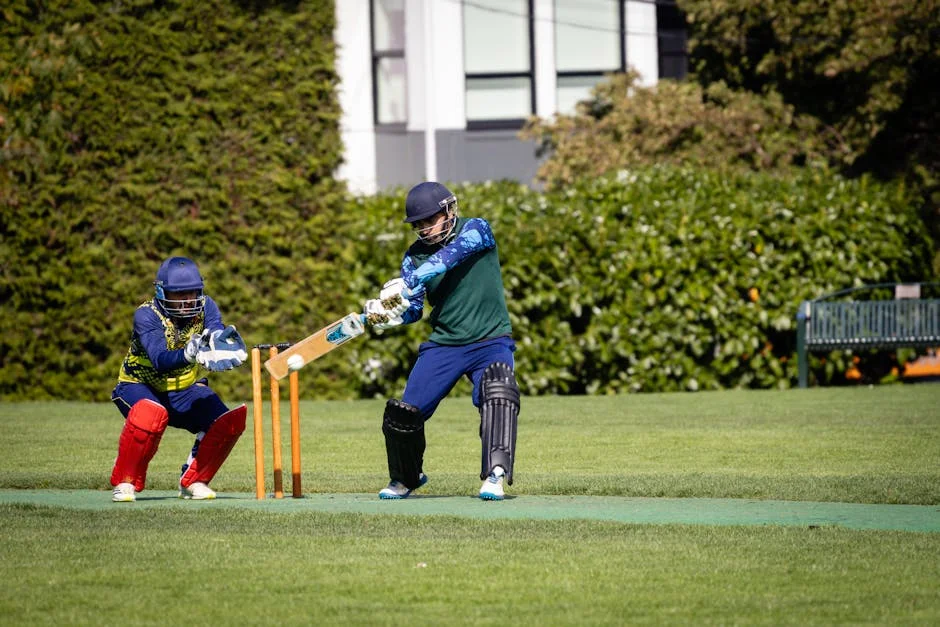
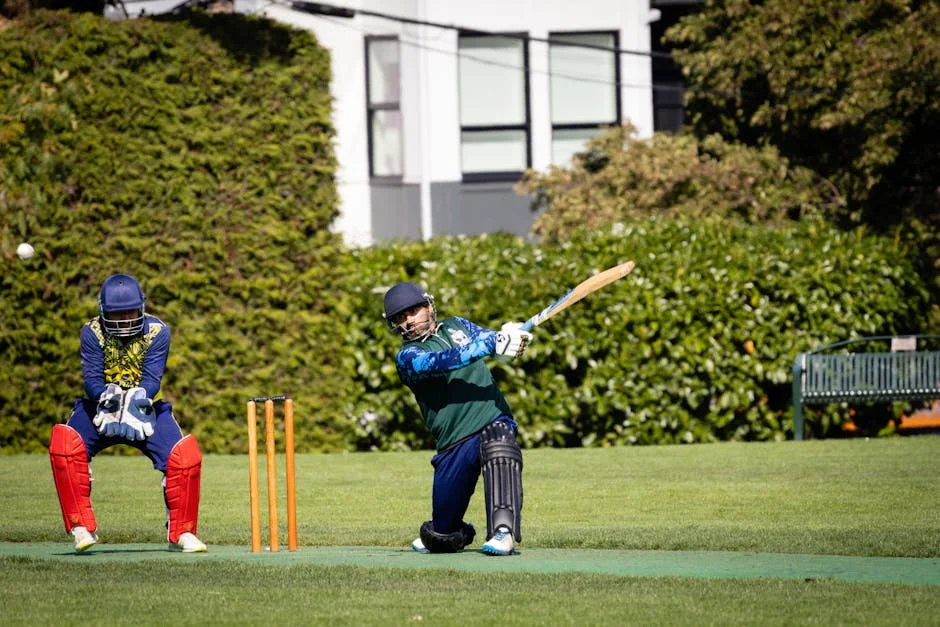
Dunkley's six came during the 14th over at Trent Bridge in Nottingham, a venue that drew a crowd of 12,500 spectators for the day-night fixture. The left-handed batter carved the delivery through the covers, a shot that immediately changed the run rate and lifted England's batting position. Television ratings for the broadcast in South Asia reportedly peaked at 8.2 million concurrent viewers during that over, according to data from the host broadcaster.
England ultimately posted a total of 178 for 5 in their 20 overs, a target that proved beyond India, who fell short by 15 runs. Dunkley finished with 34 runs from 26 deliveries, her highest score in the series so far. The result gave England a 1-0 lead in the three-match series with two games remaining.
Commercial Implications for Women's Cricket

The visibility of performances like Dunkley's carries direct economic consequences. Broadcast rights for women's cricket have seen substantial growth over the past five years. England's central contracts for women's players now average £75,000 annually, up from £22,000 in 2019, reflecting the sport's commercial trajectory. Sponsorship deals tied to individual players have similarly expanded, with Dunkley recently signed to a partnership with a sports equipment brand worth an estimated £120,000 over two years.
Clubs and franchise operators are taking notice. The Hundred, England's hybrid format, has committed to equal pay for men's and women's players since its inception, a policy that now generates annual revenue exceeding £40 million from broadcast and commercial streams combined.
Broadcasting Rights and Revenue Streams
Sky Sports holds the primary broadcast rights for England's home women's matches in the United Kingdom. The current deal, signed in 2021, is worth approximately £15 million per year across all cricket properties, with women's fixtures representing a growing share of that value. Streaming platforms have entered the space as well, with Disney+ Hotstar securing digital rights for the South Asian market, where cricket viewership remains among the highest globally.
Advertising revenue during women's cricket broadcasts has climbed 23 percent year-on-year in the UK market, according to industry figures from 2023. Brands targeting female sports audiences, a demographic that spent an estimated £800 million on sports-related merchandise in the past year alone, are increasing their investment in broadcast integration.
Singapore's Connection to the Cricket Economy
Singapore may seem distant from England's T20 fixtures, but the city-state maintains deep ties to global cricket commerce. The Singapore Cricket Association hosts exhibition matches and has partnered with franchise leagues to develop youth talent pipelines that feed into professional systems worldwide. Singapore-based financial institutions, including DBS and OCBC, have previously sponsored cricket events across Asia, leveraging the sport's popularity among the Indian diaspora.
More than 45,000 Singapore residents identify as cricket enthusiasts, based on participation surveys. The country's as a financial hub makes it a natural location for cricket's commercial ecosystem. Singapore's Turf Club hosts regular franchise matches, and the Singapore Premier League has explored expanding cricket programming to capture advertising budgets currently flowing toward other sports.
Player Performance and Market Value
For Dunkley, the six at Trent Bridge represented more than a match-winning moment. It reinforced her trajectory as one of England's most bankable limited-overs assets. Player market value in women's cricket operates differently than in the men's game, but the correlation between on-field performance and commercial opportunity remains direct. Dunkley's endorsement portfolio has expanded sixfold since her debut in 2021, according to sports marketing analysts familiar with her contracts.
Teams are increasingly making roster decisions based on commercial considerations alongside cricketing merit. England's selectors have emphasised the importance of players who can anchor partnerships while maintaining high strike rates, a combination that attracts broadcast interest and drives viewership metrics.
What Comes Next
The series moves to Bristol for the second T20 on Sunday, where Dunkley will have an opportunity to build on her momentum. broadcasters have scheduled extended coverage, with additional camera angles deployed to capture power-hitting moments that resonate with audiences. The third and final match is scheduled for Tuesday at Lord's, a venue that typically draws its highest attendance of any England home fixture.
Women's cricket's commercial growth trajectory depends on continued visibility of moments like Dunkley's six. League operators across Australia, New Zealand, and the West Indies are watching how England leverages its broadcast deals to inform future revenue-sharing models. Investors in sports media have flagged women's cricket as an underpriced asset class with room for significant yield appreciation over the next five years.
Dunkley's next at-bat will be scrutinized not just by selectors but by brand managers and broadcast executives calculating the commercial return on cricket's growing investment in female athletes.
See Also
- RFK Jr. Slams Antidepressants, Triggering Market Jitters
- Mbappe Claims Arbeloa Mislabelled Him — Market Reaction Intensifies
What is the latest news about sophia dunkleys matchwinning six signals growing commercial appeal of womens cricket?
Why does this matter for education?
What are the key facts about sophia dunkleys matchwinning six signals growing commercial appeal of womens cricket?