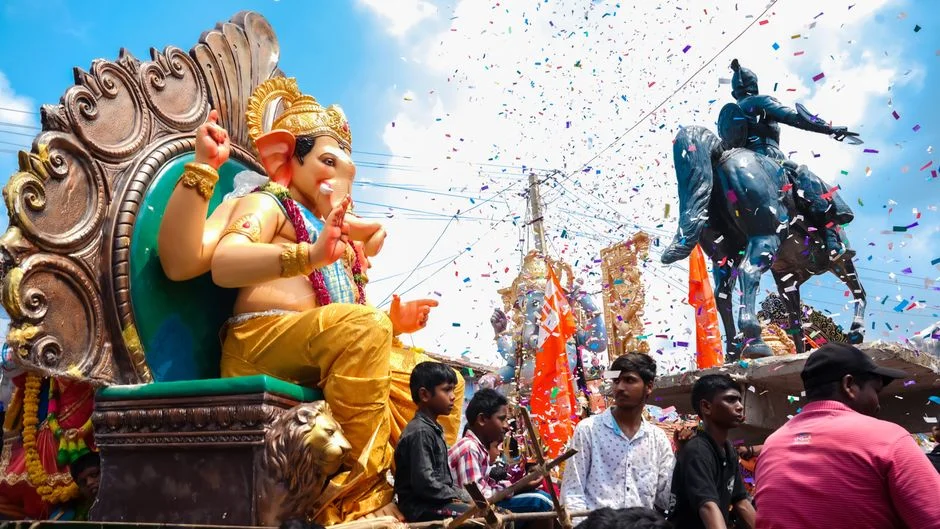
Across India, the resurgence of interest in historical figures is creating a significant boost for local artists, particularly those specialising in sculptures of the revered Maratha warrior king, Chhatrapati Shivaji Maharaj. Sculptor Shankar Patil, based in Pune, has seen a 60% rise in demand for his Shivaji-themed artworks since early 2023, following a wave of cultural nationalism and renewed interest in heritage.
Growing Demand for Shivaji Statues
The demand for sculptures depicting Shivaji has surged dramatically, with Patil stressing that his projects often have waiting lists stretching over six months. This trend is not limited to traditional art circles; businesses across various sectors are eager to incorporate Shivaji's likeness, reflecting a broader cultural movement sweeping the nation. As Patil noted, "People want to celebrate their history, and what better way than through art?"
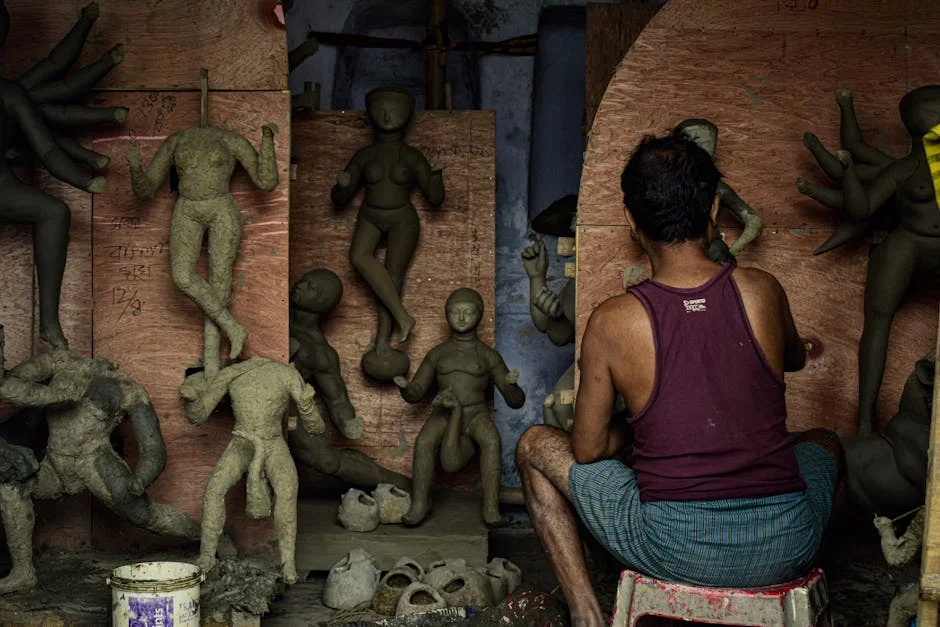
In addition to sculptures, the Shivaji craze has prompted an increase in sales of related memorabilia, from paintings to textiles, as companies seize the opportunity to tap into this patriotic fervour. At a recent art fair in Mumbai, a Shivaji statue sold for ₹2.5 million (approximately $30,000), illustrating the premium many are willing to pay for these cultural artefacts.
Political and Economic Implications

The Shivaji craze is not just an artistic phenomenon; it has implications for India's economy and political landscape. The Maharashtra government has noted this trend, launching initiatives to support local artisans and promote cultural tourism centred around Shivaji’s legacy. The state tourism ministry announced plans to invest ₹1.2 billion in developing heritage sites associated with Shivaji, which could further amplify market interest and create job opportunities.
This investment reflects a strategic alignment with nationalistic sentiments, with potential repercussions in upcoming elections. With many voters prioritising cultural identity, political leaders are likely to leverage the Shivaji narrative to galvanise support.
Market Reactions and Business Opportunities
As businesses recognise the economic potential tied to the Shivaji phenomenon, many are exploring partnerships with local artists. For example, a prominent decorative arts company in Mumbai has begun commissioning large-scale sculptures for public spaces, anticipating that such investments will attract visitors and enhance community pride.
Art galleries are also adapting their exhibitions to highlight the relevance of historical figures like Shivaji, with several curators reporting increased foot traffic. The financial implications are clear: more visitors translate to higher revenue for local businesses, creating a ripple effect throughout the local economy.
Future of the Shivaji Craze
Experts predict that the Shivaji craze may show signs of becoming a sustainable trend rather than a fleeting moment. The increasing visibility of Shivaji’s image in popular culture, from films to social media, is likely to maintain the interest. With the upcoming anniversary of Shivaji’s birth in February 2024, further initiatives are expected that will reinforce this cultural fervour.
Investors should keep an eye on this trend as it unfolds, particularly in sectors related to art, tourism, and heritage. The ongoing demand for sculptures and associated products may lead to lucrative opportunities for businesses willing to engage with this resurgent cultural pride.
Cautious Optimism Amid Economic Challenges
While the Shivaji craze offers new opportunities, it comes amid challenges such as rising material costs and fluctuating market conditions. Patil shared that while demand is high, the cost of raw materials has increased by 20% in the past year, prompting artists to recalibrate pricing strategies.
Nevertheless, the sentiment remains optimistic. Artisans and businesses involved in this movement are confident that the cultural significance of Shivaji will maintain consumer interest, even as they navigate the complexities of the current economic landscape.
What to Watch Next
In the coming months, stakeholders should monitor the developments surrounding Shivaji-themed projects, including government initiatives and public events. Additionally, watch for the potential emergence of new businesses catering to this cultural shift, as well as any policy changes from state governments aimed at supporting local artists and heritage tourism. These factors will play a critical role in shaping the ongoing economic impact of the Shivaji craze across India.