On International Peacekeepers Day, India reaffirmed its commitment to United Nations peacekeeping missions, pledging to increase troop contributions. External Affairs Minister S. Jaishankar made the announcement during a ceremony in New Delhi, emphasising India’s role in promoting global peace and stability.
Strengthening Peacekeeping Initiatives
India has been a longstanding supporter of UN peacekeeping, contributing over 200,000 personnel to various missions since 1950. This year, the country plans to send an additional 1,000 troops, which will enhance its current deployment of about 6,700 personnel across various missions worldwide.
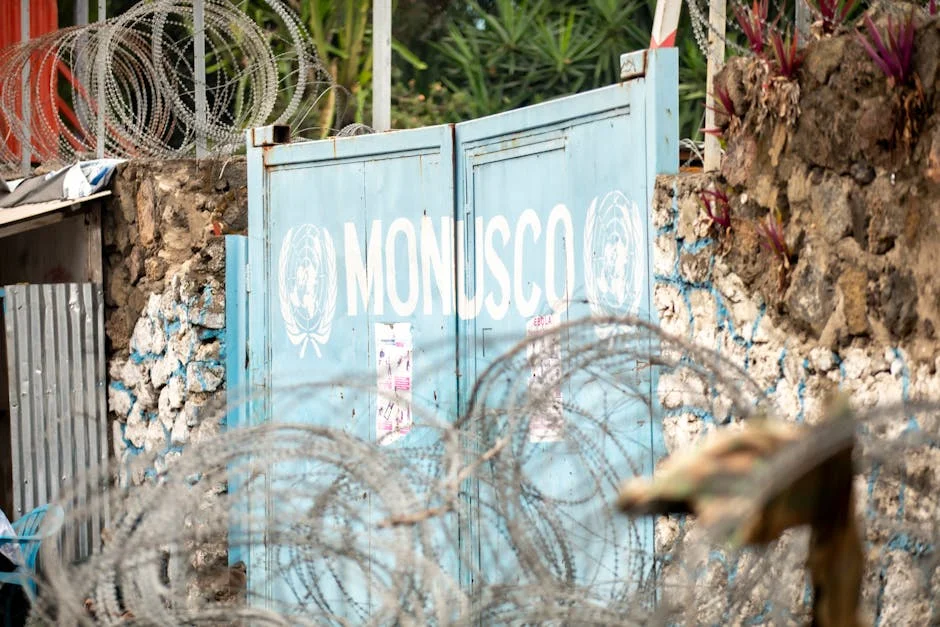
As the 75th anniversary of UN peacekeeping approaches, Jaishankar noted that India is determined to play a more active role in maintaining international peace. He mentioned that this commitment aligns with India’s broader foreign policy goals, positioning the country as a responsible global player.
Implications for the Global Economy

India's increased involvement in peacekeeping missions can have several repercussions for the global economy. Enhanced stability in conflict-affected regions may attract foreign investments, leading to economic recovery and growth. Countries facing violence and unrest often struggle to draw in capital, which is vital for their development.
According to a report by the United Nations, investments in peacekeeping efforts have a measurable impact on economic outcomes, with countries experiencing up to a 40% increase in foreign direct investment over five years following the establishment of peacekeeping operations.
Market Reactions and Business Opportunities
Indian businesses could benefit from the government’s commitment to peacekeeping. Firms involved in security, construction, and logistics may see increased contracts related to peacekeeping operations. Additionally, as Indian troops provide stability, regions like Africa and the Middle East, where India has been active, may experience economic revitalisation.
Investors are already reacting positively, with shares of several defence and security firms rising in response to the announcement. The Defence and Aerospace sector is poised for growth, reflecting confidence in India’s long-term investment in international security.
Regional Stability and Trade
India's role in UN peacekeeping missions also enhances regional stability, particularly in Asia and Africa. By contributing to peace efforts, India aims to foster trade relations and strengthen economic ties with nations recovering from conflict. This could lead to a more robust bilateral trade framework, benefiting both India and its partner nations.
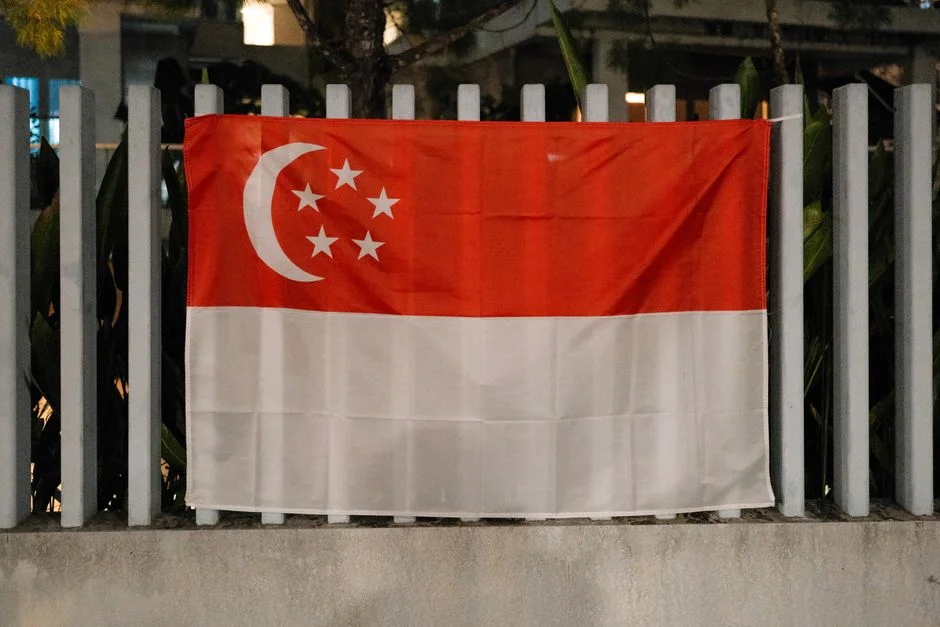
For Singapore, the implications are clear. Increased stability in regions where India operates can lead to stronger trade relationships, allowing businesses in Singapore to tap into emerging markets. Additionally, peacekeeping efforts can mitigate risks that often deter investments in these areas.
Future Developments to Watch
As India prepares to increase its troop contributions, stakeholders should closely monitor the situation in conflict-prone regions. Upcoming peacekeeping missions could see further strategic alliances, particularly with African nations where India has been strengthening ties.
The global community will also watch for changes in international policies related to peacekeeping operations. Increased troop deployments might spark discussions within the UN about the allocation of resources and the effectiveness of current missions. Investors should stay alert for developments that could affect market dynamics and trade opportunities in the coming months.
See Also
- Reble’s Rap Rise Triggers New Revenue Streams in India’s Music Market
- Women’s Rights Activists Demand Ban on Controversial Song from 'KD: The Devil'