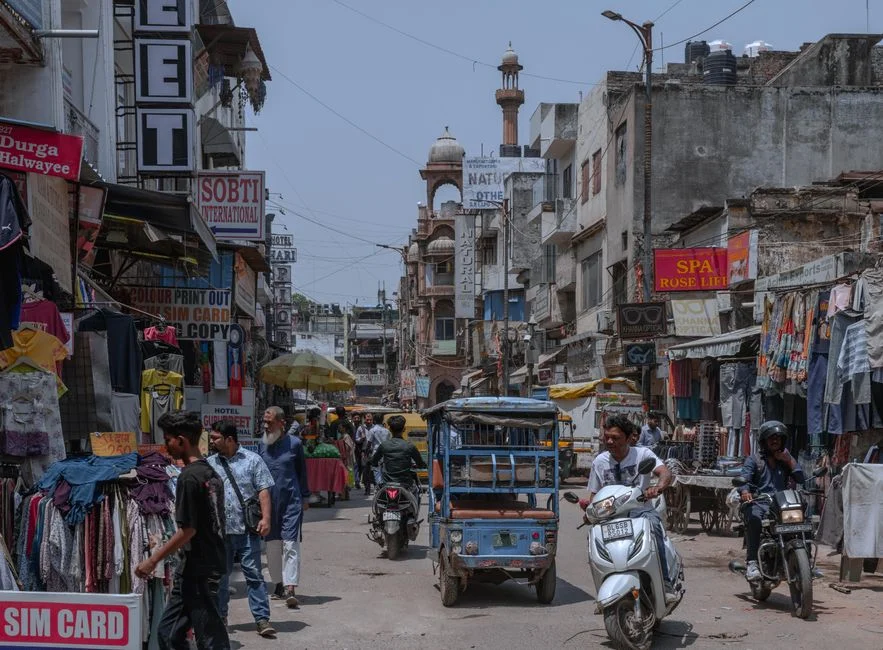
Once a formidable force in Indian politics, the Communist Party of India (CPI) has seen its influence diminish sharply over the past few decades. As of 2023, the CPI holds only two seats in the Lok Sabha, the lower house of Parliament, down from a peak of over 60 in the 1980s. This decline raises critical questions about the implications for businesses, investors, and the overall economy in India's rapidly changing political landscape.
Political Context and Decline
The CPI, along with its offshoots, was once a dominant political power, particularly in states like West Bengal and Kerala. However, a significant shift occurred following the 2014 general elections when the Bharatiya Janata Party (BJP) began to consolidate power nationally. Prime Minister Narendra Modi’s government prioritised market-oriented reforms, which have not only transformed the political landscape but also changed the business environment significantly.

With the CPI's waning influence, the focus has shifted to more market-friendly policies. This shift has resulted in reduced labour protections and lower corporate tax rates, aimed at attracting foreign investment. Consequently, this has affected how businesses operate in a country where communism once held sway.
Investment Climate and Economic Growth


As India moves away from its communist roots, the economic implications are significant. The World Bank reported a 7.5% GDP growth rate in the fiscal year ending March 2023, indicating that pro-business reforms are beginning to take effect. Investors are more engaged in sectors previously dominated by state-run enterprises, particularly in infrastructure and technology.
Furthermore, multinational corporations are increasingly viewing India as a critical component of their global supply chains. The move towards liberalisation makes India an attractive destination for foreign direct investment (FDI), having recorded over $83 billion in FDI during the 2021-2022 financial year.
Impact on Local Businesses
The decline of the CPI has led to a more competitive business environment. Companies now face pressure to innovate and adapt swiftly to changing consumer demands. With less regulatory oversight, firms have the flexibility to explore new markets and technologies. However, this shift also means businesses must navigate a landscape with potentially fewer safety nets for workers.
Challenges for Small Enterprises
While large firms may thrive under more lenient regulations, small and medium enterprises (SMEs) may face challenges. Many SMEs are struggling to adjust to the more competitive market landscape. The lack of support from traditional leftist policies could lead to a growing divide between larger corporations and smaller players, impacting overall economic stability.
Future Outlook for Investors
As the CPI continues to lose ground, investors might find new opportunities in emerging sectors. The focus on technology and renewable energy opens doors for innovative companies looking to expand. However, challenges such as regulatory uncertainties and market volatility must be considered in investment decisions.
Moreover, foreign investors should monitor upcoming local elections closely. These elections could further shape the market dynamics and influence government policy on foreign direct investment and business regulations.
What to Watch Next
The changing political landscape in India will have profound implications for markets, businesses, and investors alike. As the CPI fades from influence, the upcoming state assembly elections in Karnataka and West Bengal will be crucial to watch. These elections could determine if the BJP can maintain its momentum or if the opposition can reclaim any ground, impacting investor sentiment moving forward.
See Also
- Australia's Teen Social Media Ban Triggers Ad Market Jitters
- India’s CEA Warns of Live Balance of Payments Stress Test
The lack of support from traditional leftist policies could lead to a growing divide between larger corporations and smaller players, impacting overall economic stability.Future Outlook for InvestorsAs the CPI continues to lose ground, investors might find new opportunities in emerging sectors. These elections could determine if the BJP can maintain its momentum or if the opposition can reclaim any ground, impacting investor sentiment moving forward.