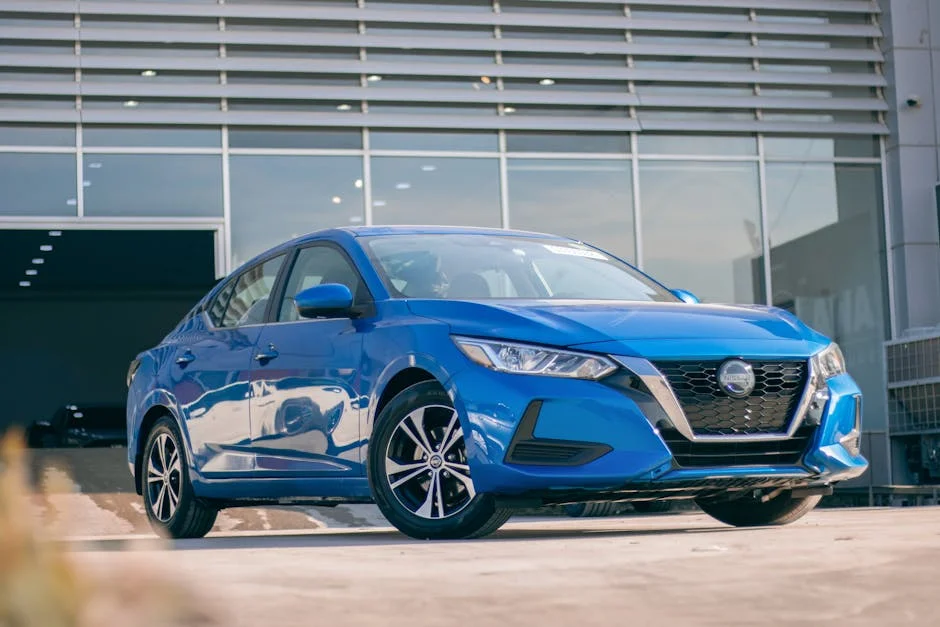
Europe's automotive market is witnessing a significant shift as consumers increasingly favour hybrid vehicles over fully electric models, posing challenges for major players like Tesla. In the first half of 2023, hybrid vehicle sales across Europe accounted for 55% of all electric vehicle registrations, while Tesla's share of the market dipped to approximately 12%.
Shifts in Consumer Preferences Across Europe
Recent data from the European Automobile Manufacturers Association (ACEA) illustrates a growing preference for hybrid cars. This trend emerged as consumers seek more versatile options, particularly amid rising fuel prices and concerns about range anxiety associated with electric vehicles. Countries like Germany and France have reported substantial increases in hybrid car sales, with a noted 20% rise in registrations from 2022 to 2023.
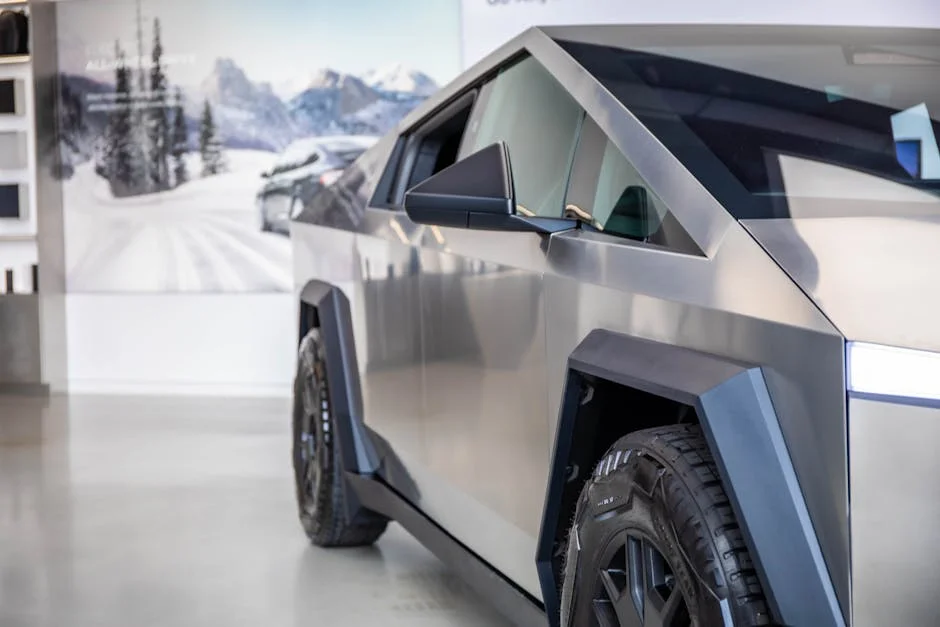
Germany accounted for the largest share of hybrid sales, with nearly 35% of new registrations in 2023 attributed to hybrid models. This change represents a marked shift from previous years, when fully electric vehicles dominated the spotlight. Consumers appear to value the flexibility hybrids offer, particularly for long-distance travel, as charging infrastructure continues to develop slowly in many regions.
Tesla's Declining Market Share


Tesla's position in the European market has been impacted by the surge in hybrid vehicle popularity. According to industry analysis, the company's market share fell from 18% in 2022 to around 12% this year. Increased competition from both established manufacturers and emerging brands has intensified the challenge for Tesla.
In an effort to recapture market interest, Tesla is focusing on expanding its lineup with more affordable models. CEO Elon Musk announced plans to introduce a new compact SUV, expected to launch in late 2024, which could appeal to budget-conscious consumers looking for electric options.
The Role of Government Policies
Government incentives play a critical role in shaping the electric vehicle market. In Portugal, the government has embraced hybrid technology, offering substantial tax rebates to promote their adoption. As part of a broader strategy to reduce carbon emissions, Portugal aims to have 50% of new cars sold by 2030 be electric or hybrid.
These incentives not only encourage consumers to consider hybrids but also put pressure on electric vehicle manufacturers like Tesla to innovate and adapt their offerings. As governments across Europe tighten emissions regulations, manufacturers must respond quickly to maintain competitiveness.
Market Implications for Investors and Businesses
The shifting landscape presents both challenges and opportunities for investors and businesses alike. While Tesla's declining share is concerning, the overall growth of the electric vehicle market remains robust. Analysts predict the market will grow by 30% annually over the next five years, driven by expanding infrastructure and increasing consumer awareness.
Investors might consider diversifying their portfolios by exploring companies that focus on hybrid and electric technologies, as consumer demand for hybrid models appears stable. Companies like Toyota and Volkswagen, which have robust hybrid offerings, may benefit from this transition.
Future Trends to Watch
As the European car market evolves, several trends will shape its future. The continued development of charging infrastructure remains paramount, as inadequate charging facilities could hinder the growth of fully electric vehicles. Additionally, the introduction of new models from established brands will intensify competition in the hybrid sector.
By 2025, analysts forecast that the hybrid vehicle market will continue to grow, potentially reaching 60% of all electric vehicle registrations in Europe. Investors and businesses should closely monitor these trends to capitalise on emerging opportunities.
Conclusion: What Lies Ahead
With consumer preferences shifting towards hybrid models and government policies favouring their adoption, Tesla faces mounting pressure in the European market. The company’s response in the coming months will be crucial as it seeks to regain its position amidst fierce competition. Upcoming product launches and strategic adjustments will determine Tesla's path forward in the electrifying automotive landscape.
See Also
- Trump Arrives in China — Markets React to Trade Tensions
- EU Defies US-China Binary — Markets Face New Strategic Reality