Last week, Bellingcat revealed harrowing details about the lost villages in Myanmar's Rakhine State, which have been left in ruins following decades of conflict and political turmoil. The investigation highlights the survivors’ struggles for basic necessities and their efforts to rebuild their homes amid ongoing violence. This situation has significant implications for the economy, especially for businesses and investors keen on the region's recovery.
Destruction in Rakhine: A Humanitarian Crisis
Rakhine State sits on the western coast of Myanmar and has been central to ongoing ethnic conflicts that began in 2012. Bellingcat's report indicates that over 100 villages were either completely destroyed or severely damaged, displacing thousands of residents. Many have sought refuge in overcrowded camps, lacking access to fundamental resources like food, water, and healthcare.
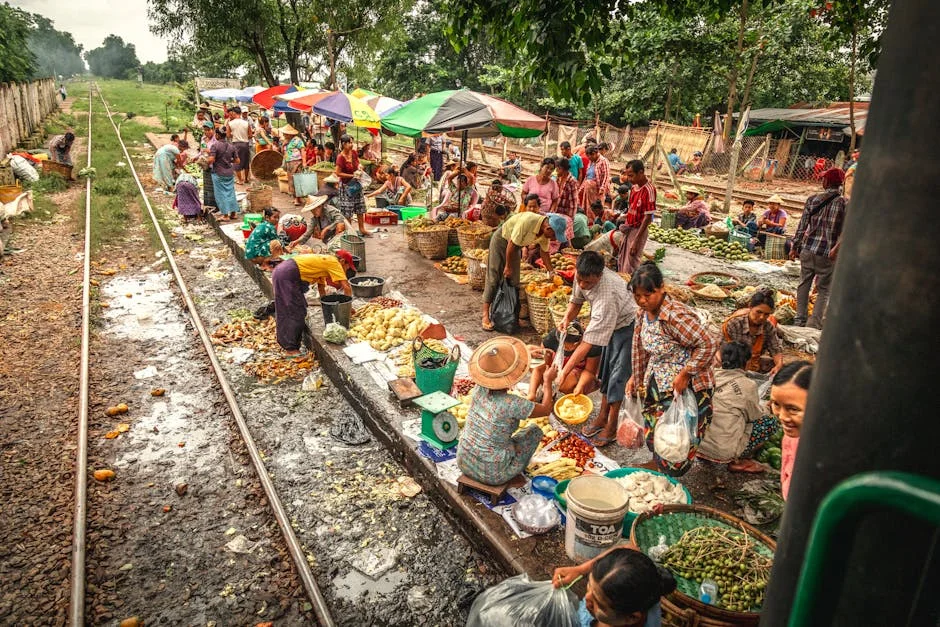
According to the UN, around 1.3 million people in Rakhine need humanitarian assistance, with 90% of these from the Rohingya community. This crisis not only reflects a humanitarian disaster but also destabilises the regional economy, scaring off potential investments and forcing businesses to reconsider operations in Myanmar.
Investment Concerns: The Fallout from GB Developments

As Bellingcat’s findings circulate, investors are turning their attention towards Great Britain (GB) and its response to the situation. With the UK being one of Myanmar's largest foreign investors, sustained attention on human rights issues may lead to increased pressure on British companies operating in the region. The potential for sanctions or disinvestment could leave a significant dent in the local economy.
On October 1, the UK government issued a statement condemning the violence in Rakhine, indicating potential actions to hold accountable those responsible for human rights violations. The British government’s role is crucial, as it could encourage or deter investment flow into Myanmar, heavily influencing local businesses and the broader economic landscape.
Market Reactions: Stocks and Trade Under Pressure
In the wake of Bellingcat's report, shares of companies with ties to Myanmar's economy experienced declines. For example, several firms operating in the country saw their stocks drop by up to 15%. Trade relations are also at risk, with partners likely to reassess their positions given the deteriorating humanitarian situation.
The potential for increased scrutiny on Myanmar's economy could trigger more volatility in the stock market, compelling investors to seek safer assets elsewhere. As businesses reassess their exposure to Myanmar, the impact will reverberate throughout Southeast Asia, affecting companies that rely on trade with the region.
Future of Aid and Economic Recovery
The international community has called for increased humanitarian aid to Rakhine State, with some relief organisations pushing for a coordinated response. Aid could elevate the economic conditions for those affected; however, the path to recovery remains uncertain without stability.
A recent report by the Asian Development Bank estimated that Myanmar’s economic growth could slow down by 2% if the situation in Rakhine deteriorates further. Investors and businesses will need to monitor these developments closely, as the local economy could struggle to regain its footing in the absence of peace and effective governance.
What to Watch: Upcoming Humanitarian Initiatives
Looking ahead, the international community is preparing for a major humanitarian conference set for November 15 to discuss aid strategies for Rakhine. This event will be critical in determining the future of economic assistance and potential investment opportunities in Myanmar.
Investors should keep a close eye on the outcomes of this conference, as it may influence market sentiment and investment strategies in Southeast Asia. The situation in Rakhine is precarious, and the next steps taken by the international community and businesses will be vital for the region's recovery.
See Also
- Iran Conflict Disrupts India's Drug Supply to Africa — Prices Set to Surge
- South Africa's DA Youth Leader Quashes Anti-GNU Fears
As businesses reassess their exposure to Myanmar, the impact will reverberate throughout Southeast Asia, affecting companies that rely on trade with the region.Future of Aid and Economic RecoveryThe international community has called for increased humanitarian aid to Rakhine State, with some relief organisations pushing for a coordinated response. Investors and businesses will need to monitor these developments closely, as the local economy could struggle to regain its footing in the absence of peace and effective governance.What to Watch: Upcoming Humanitarian InitiativesLooking ahead, the international community is preparing for a major humanitarian conference set for November 15 to discuss aid strategies for Rakhine.
What is the latest news about bellingcat exposes myanmars lost villages economic impact looms for investors?
Why does this matter for politics-governance?
What are the key facts about bellingcat exposes myanmars lost villages economic impact looms for investors?