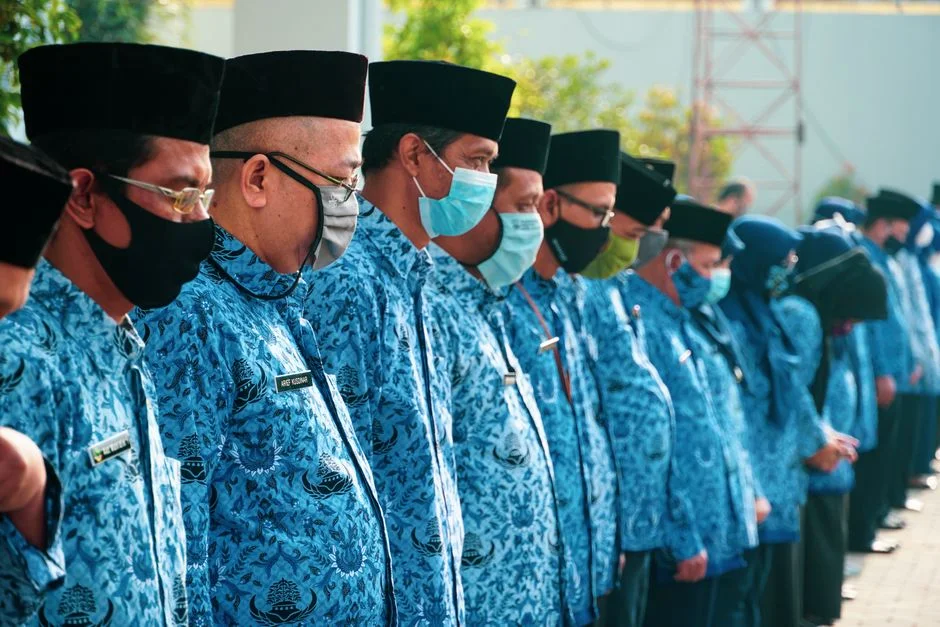
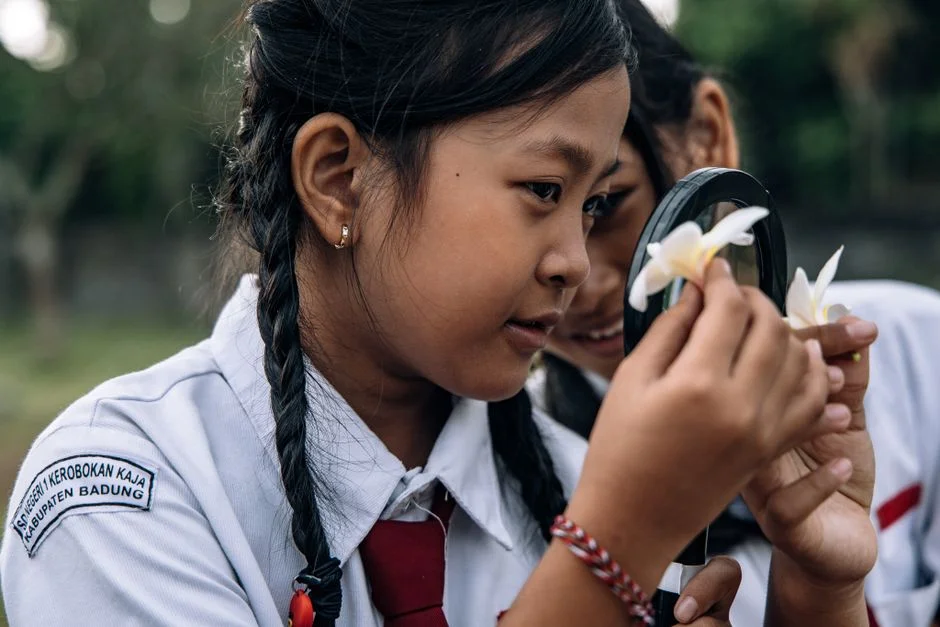
The United Kingdom has cancelled a major overseas education initiative for women and girls after just two years of operation, leaving approximately 15,000 beneficiaries across Africa and Asia without confirmed continued support. The programme, which began in 2023, aimed to expand educational access for women in developing regions through partnerships with local institutions. Officials in London confirmed the decision last week as part of a broader review of overseas development spending. The abrupt termination has drawn criticism from advocacy groups who warn the move could reverse hard-won gains in girls' education across multiple countries.
Funding withdrawal triggers alarm across partner nations
The programme operated across at least a dozen countries, including Kenya, Bangladesh, and Nepal, where local schools and community centres relied on UK backing to run literacy classes and skills training. Authorities in Nairobi expressed concern about the immediate impact on thousands of young women who enrolled under the assumption of sustained support. A ministry official in Bangladesh told local media the cancellation came without adequate notice, leaving administrators scrambling to fill a sudden budget gap. The uncertainty has forced some partner institutions to consider scaling back operations or closing entirely by the end of the current term.
Economic consequences ripple through education sector

Development economists warn the cancellation carries broader economic implications beyond the immediate humanitarian concerns. Research consistently shows that every year of additional education for women correlates with higher long-term economic productivity and lower poverty rates in their communities. The UK decision removes a predictable funding stream that development banks and private investors had used as leverage for co-investment. Several microfinance institutions had structured lending programmes around the expectation that graduates would enter the formal economy and generate repayment capacity. Without that pipeline, some lenders have already paused new disbursements to education-linked projects in affected regions.
Impact on private sector engagement
Corporate partners who contributed to the programme are now reassessing their own commitments to education initiatives in these markets. At least two multinational companies had signed agreements tying their corporate social responsibility programmes to the UK-led framework, using it as a basis for worker training pipelines in local operations. A spokesperson for one firm operating in Nairobi declined to specify whether it would honour existing pledges without the coordinating structure. Investors in emerging market funds have begun tracking the fallout as a potential leading indicator of broader shifts in Western development policy.
UK cites fiscal constraints and strategic review
Government ministers in London defended the cancellation as a necessary adjustment amid competing domestic priorities. The Foreign, Commonwealth and Development Office stated that all overseas programmes undergo periodic assessment to ensure alignment with current strategic objectives and budget realities. Officials pointed to overall UK development spending levels while acknowledging that individual programmes must be weighed against one another. Critics in Parliament argued the two-year timeline was insufficient to demonstrate the initiative's full potential and accused the government of prioritising short-term savings over long-term stability. The debate has intensified as general election campaigning intensifies and development spending becomes a campaign issue.
Alternative funding sources unlikely to fill gap quickly
Advocacy groups warn that other donors cannot easily step in to compensate for the UK withdrawal. International institutions such as the World Bank and regional development banks have existing commitments and cannot reallocate funds at short notice. Private philanthropy, while active in this space, typically focuses on pilot projects rather than sustained national-level programming. The Gulf states have expanded their overseas education spending in recent years, but observers say their priorities differ from the UK programme's approach. Communities affected by the cancellation face months of uncertainty before any replacement arrangements might emerge.
What happens next
Beneficiaries and partner organisations have been told the UK will honour commitments through the current academic term, ending in April. After that date, no further funding is guaranteed. Local administrators in affected countries are holding emergency meetings this week to explore contingency options, including appeals to their own governments for emergency budget support. Watch for further announcements from the Foreign Office as it publishes its revised overseas aid strategy. Women's rights organisations have called for a parliamentary inquiry into the decision-making process and the criteria used to select programmes for termination.
See Also
- One Nation Reoffers Seat to Deeming Amid Victorian Political Turmoil
- South Africa Parliament Warns Crime Rates Match War Zones with 26,000 Annual Deaths
Investors in emerging market funds have begun tracking the fallout as a potential leading indicator of broader shifts in Western development policy. Critics in Parliament argued the two-year timeline was insufficient to demonstrate the initiative's full potential and accused the government of prioritising short-term savings over long-term stability.
What is the latest news about uk axes womens education project after two years 15000 students in limbo?
Why does this matter for politics-governance?
What are the key facts about uk axes womens education project after two years 15000 students in limbo?