Taiwanese opposition politicians have hung billboards declaring “No Indian Workers” in key swing districts, sending shockwaves through the island’s manufacturing and tech sectors. The campaign move, which has become a central talking point in the upcoming legislative elections, threatens to destabilize labor supply chains that many multinational corporations rely on for steady production output. Businesses in Singapore and across the Asia-Pacific region are now watching closely to see how this political rhetoric translates into concrete policy changes.
Political Rhetoric Meets Economic Reality
The billboards appeared in several districts in Taipei and New Taipei City, targeting the growing demographic of Indian expatriates working in engineering, IT, and manufacturing roles. These signs are not just local grievances; they are strategic political tools designed to mobilize voters who fear job competition and wage stagnation. The timing is critical, as Taiwan’s economy is currently navigating a complex recovery phase following global supply chain disruptions.
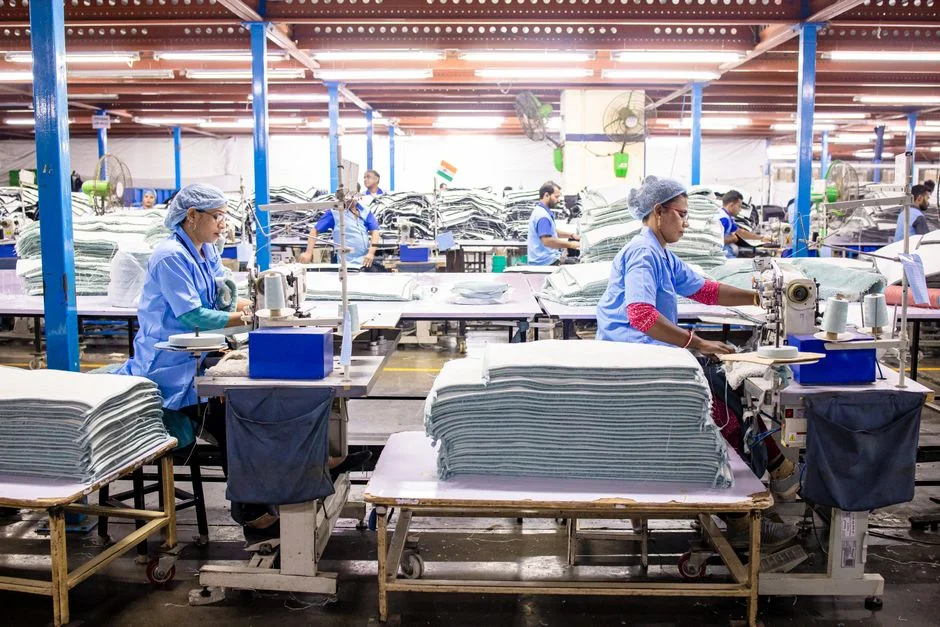
Opposition leaders argue that the influx of foreign labor, particularly from India, has outpaced the integration capabilities of the local workforce. They point to specific neighborhoods where Indian professionals have become a visible presence, often working long hours in tech parks and industrial zones. This narrative aims to frame Indian workers not as economic assets, but as competitors for limited housing and public resources.
However, the economic data tells a more complicated story. Taiwan faces a chronic labor shortage, particularly in the semiconductor and electronics manufacturing industries. The island’s aging population means that without foreign workers, production lines could face bottlenecks that would directly impact global tech supply chains. Ignoring this demographic reality could lead to immediate operational headaches for major employers.
Impact on Multinational Corporations and Supply Chains


For multinational corporations operating in Taiwan, the political instability surrounding labor policy poses a tangible risk to business continuity. Many tech giants and semiconductor manufacturers depend on a diverse workforce to manage complex engineering projects. If the “No Indian Workers” sentiment translates into stricter visa regulations or quotas, these companies may face delays in hiring key talent.
Operational Risks for Tech Firms
Companies in the semiconductor sector, which is the backbone of Taiwan’s economy, are particularly vulnerable. These firms often bring in specialized engineers from India to handle specific technical roles that are hard to fill locally. Any disruption to this talent pipeline could affect production schedules and, by extension, the global availability of chips. Investors are already pricing in this uncertainty, leading to slight volatility in the stocks of major Taiwanese manufacturers.
The ripple effects extend beyond Taiwan’s borders. Singapore, as a major hub for Asian operations, could see a shift in corporate strategies. If Taiwan becomes less predictable for labor, some multinational firms might accelerate their “China Plus One” or “Taiwan Plus One” strategies, moving more operations to Singapore or Vietnam. This could bring both opportunities and challenges for the Singaporean labor market.
Business leaders are calling for a more nuanced approach from policymakers. They argue that demonizing one nationality of workers does not address the root causes of labor market friction, such as wage growth and housing affordability. Without a comprehensive strategy, political gimmicks could undermine the very economic stability that voters are seeking.
The Singapore Connection and Regional Business Implications
The situation in Taiwan has direct implications for Singaporean businesses and investors. Many Singaporean companies have significant exposure to the Taiwanese manufacturing sector, either through joint ventures, supply chain dependencies, or direct investments. Political instability in Taiwan can affect trade flows, investment confidence, and operational costs for these firms.
Furthermore, Singapore itself is home to a large Indian professional community, particularly in the financial services and tech sectors. The political rhetoric in Taiwan could influence perceptions of Indian workers in neighboring markets, potentially affecting hiring trends and expatriate mobility in the broader region. Singaporean employers may need to be more proactive in integrating foreign talent to mitigate similar political pressures in the future.
Investors in the region are also keeping a close eye on the situation. The uncertainty surrounding labor policy in Taiwan could affect stock prices and investment decisions. Companies that are heavily reliant on Indian talent in Taiwan might see their valuations adjust based on the perceived risk of future policy changes. This could create both buying and selling opportunities for savvy investors.
The broader economic impact could also be felt in trade relations. If Taiwan’s political climate becomes more hostile towards Indian workers, it could affect bilateral trade agreements and economic partnerships. This could have downstream effects on Singapore, which often acts as a bridge between different Asian markets.
Historical Context and Labor Market Trends
Taiwan’s labor market has undergone significant changes over the past two decades. The island has moved from being a manufacturing powerhouse with a young workforce to a tech hub with an aging population. This demographic shift has forced the government to open up to foreign workers, particularly in the high-tech and service sectors. Indian professionals have become a key part of this foreign labor force, bringing specialized skills and technical expertise.
However, the integration of foreign workers has not always been smooth. Issues such as language barriers, cultural differences, and wage disparities have occasionally led to tensions between local and foreign employees. These underlying frictions have been exploited by politicians seeking to rally voter support. The current “No Indian Workers” campaign is the latest manifestation of these long-standing issues.
Historically, Taiwan’s approach to labor policy has been pragmatic, driven more by economic necessity than political ideology. The government has generally been willing to adjust visa rules and work permits to meet the needs of key industries. If the upcoming elections lead to a more nationalist or protectionist turn, this pragmatic approach could be at risk. Businesses are bracing for potential changes that could make hiring foreign talent more difficult and expensive.
Investor Perspective and Market Reactions
Financial markets are sensitive to political uncertainty, and the situation in Taiwan is no exception. Investors are closely monitoring the election campaign to gauge the potential impact on labor policy. Any indication that the “No Indian Workers” rhetoric will translate into concrete policy changes could lead to market volatility. This is particularly true for sectors that are heavily reliant on foreign talent, such as semiconductors, electronics, and IT services.
Analysts are advising investors to diversify their portfolios to mitigate the risk of political shocks in Taiwan. This might involve increasing exposure to other Asian markets, such as Singapore, Vietnam, or India, which offer alternative labor pools and growing economic prospects. For long-term investors, the key is to balance the growth potential of Taiwan’s tech sector with the political risks associated with its evolving labor landscape.
The impact on specific companies will vary depending on their reliance on Indian workers and their ability to adapt to changing policy environments. Firms with flexible hiring strategies and diverse talent pools are likely to be better positioned to weather the storm. Investors should look for companies that have demonstrated resilience in the face of previous labor market disruptions.
What to Watch Next
The upcoming legislative elections in Taiwan will be a critical test of the “No Indian Workers” campaign’s influence. Voters will decide whether to reward the opposition’s populist rhetoric or to support a more pragmatic approach to labor policy. The outcome will have significant implications for businesses, investors, and the broader Asian economy.
Policy announcements in the weeks leading up to the election will provide early signals about the direction of labor market reforms. Watch for changes to visa quotas, work permit requirements, and integration programs for foreign workers. These details will help businesses and investors adjust their strategies to minimize risk and capitalize on emerging opportunities.
As the political dust settles, the focus will shift to implementation. How effectively the new government manages labor market dynamics will determine the long-term economic health of Taiwan. For Singaporean businesses and investors, staying informed and adaptable will be key to navigating the evolving landscape. The next few months will be crucial in shaping the future of labor policy in one of Asia’s most important economic hubs.
See Also
- Brazil's Government Demands Action as Inflation Hits 8% — Businesses Brace for Impact
- How West Asia Crisis Triggers Volatility in Indian Rupee and Markets
What is the latest news about taiwan polls target indian workers business leaders warn of economic fallout?
Why does this matter for infrastructure-cities?
What are the key facts about taiwan polls target indian workers business leaders warn of economic fallout?