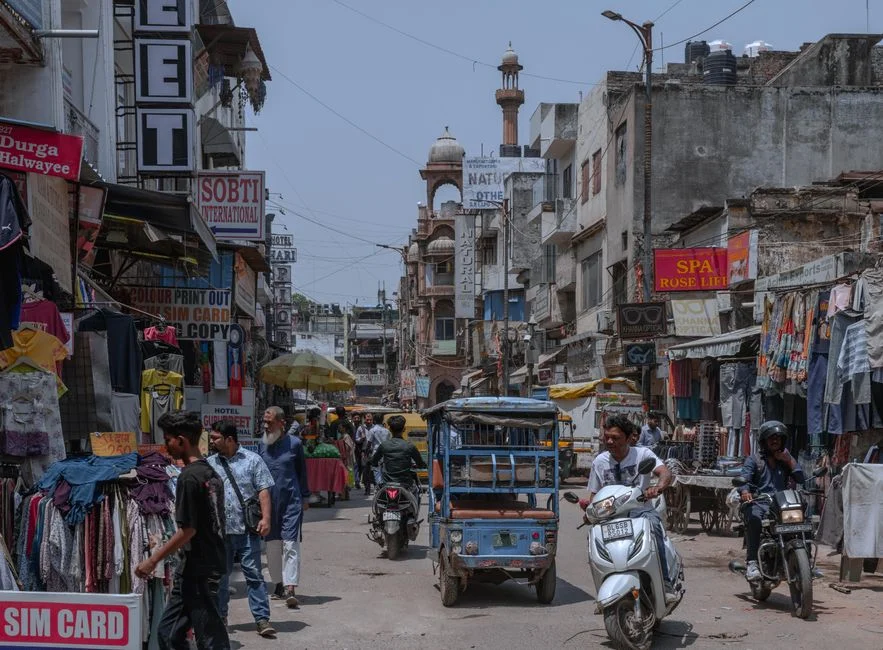
India is positioning itself for a major economic expansion with Canada, targeting a $50 billion bilateral trade volume. Commerce Minister Piyush Goyal leads the charge as New Delhi seeks to formalize a comprehensive economic partnership. This strategic push aims to unlock new markets for Indian businesses while securing stable supply chains for Canadian firms.
Strategic Economic Alignment Between New Delhi and Ottawa
The proposed trade goal represents a significant shift in the relationship between two G20 economies. India’s commerce minister, Piyush Goyal, is set to visit Ottawa to finalize key negotiations. The visit underscores New Delhi’s desire to move beyond traditional goods trade into services and digital economies. Investors are watching closely to see how this alignment affects emerging market dynamics.

Canada offers a stable, resource-rich market that complements India’s manufacturing and service strengths. The two nations share similar democratic values and regulatory frameworks, which reduces friction for cross-border investment. This political alignment creates a fertile ground for long-term economic cooperation. Businesses in both countries are preparing to capitalize on these new opportunities.
The timing of the visit is crucial for both economies. India is looking to diversify its export destinations beyond Europe and the United States. Canada, meanwhile, seeks to secure reliable sources of critical minerals and pharmaceuticals. This mutual need drives the urgency behind the $50 billion target. Market analysts view this as a strategic hedge against global supply chain volatility.
Market Implications for Investors and Corporations
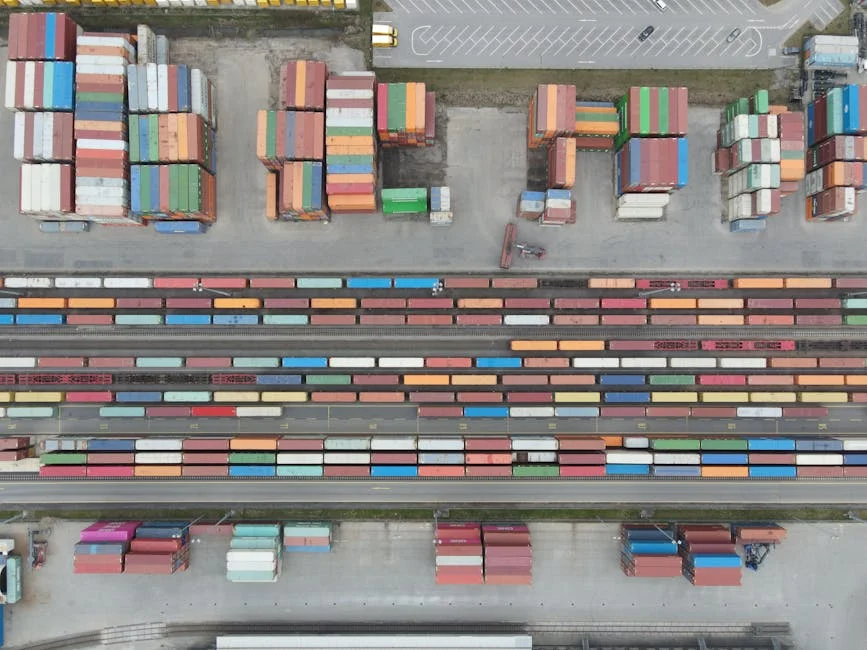

A successful agreement would open substantial revenue streams for Indian exporters. Sectors such as information technology, pharmaceuticals, and automotive components stand to gain the most. Canadian firms, particularly in agriculture and energy, could see increased demand in the Indian market. This bilateral flow of goods and services would boost corporate earnings across multiple industries.
Investors in the Indian stock market are likely to react positively to the news. Companies with significant exposure to North American markets may see their valuations rise. The certainty provided by a formal trade deal reduces risk premiums for foreign direct investment. This stability encourages long-term capital allocation into Indian equities and bonds.
Canadian investors also stand to benefit from increased access to the Indian consumer base. India’s middle class is growing rapidly, creating demand for Canadian food products and educational services. This demographic shift presents a lucrative opportunity for Canadian brands. Financial institutions are already assessing the potential return on investment in this emerging corridor.
Sector-Specific Opportunities
The technology sector is poised for significant growth under the new trade framework. Indian IT services firms can expand their footprint in Canada’s digital economy. This expansion would create thousands of jobs and increase revenue for major tech companies. The integration of supply chains could lead to cost efficiencies for both nations.
Agriculture and food processing are other key areas of focus. Canada is a major exporter of canola, wheat, and beef, which are in high demand in India. Conversely, Indian spices, rice, and tea are popular in Canadian supermarkets. Reducing tariffs and streamlining customs procedures would make these goods more competitive. Consumers in both countries would benefit from lower prices and greater variety.
- Information technology and digital services
- Pharmaceuticals and medical devices
- Agricultural products and food processing
- Automotive components and electric vehicles
Challenges and Negotiation Hurdles
Despite the optimism, several challenges remain in the path to a $50 billion trade target. Differences in regulatory standards can create barriers for small and medium-sized enterprises. Harmonizing these standards requires time and political will from both governments. Businesses must prepare for a period of adjustment as new rules take effect.
Non-tariff barriers, such as certification requirements and labor standards, also need attention. These hidden costs can erode the competitiveness of exported goods. Negotiators must address these issues to ensure a level playing field for all participants. Failure to do so could limit the potential benefits of the agreement.
Political dynamics in both countries can influence the pace of negotiations. Changes in government or shifting priorities can delay or alter the final deal. Stakeholders must remain flexible and adaptable to these external factors. Continuous dialogue between New Delhi and Ottawa is essential to maintain momentum.
Impact on Regional Trade Dynamics
The India-Canada trade deal could reshape regional trade dynamics in the Asia-Pacific and North American regions. It may encourage other countries to deepen their economic ties with India. This ripple effect could lead to a more integrated global market. Regional competitors like Australia and the United States may feel pressure to enhance their own trade relationships with New Delhi.
For Singapore and other Southeast Asian hubs, the deal presents both opportunities and challenges. Singapore can leverage its position as a financial and logistics hub to facilitate trade between India and Canada. However, it must also compete with direct trade routes that may bypass regional intermediaries. Strategic positioning will be key for Singapore to maintain its relevance in this evolving landscape.
The agreement could also influence trade negotiations with the European Union and the United States. A successful deal with Canada serves as a model for other comprehensive economic partnerships. This precedent can strengthen India’s bargaining power in other trade talks. Global markets will watch this development as a bellwether for future trade policy.
Long-Term Economic Outlook
Looking ahead, the $50 billion target is seen as a realistic but ambitious goal. Achieving this volume requires sustained effort and cooperation from both governments. The integration of economies will take time, but the potential rewards are substantial. Long-term investors are positioning themselves to benefit from this gradual convergence.
Economic integration can lead to increased innovation and productivity. Cross-border collaboration in research and development can drive technological advancements. This synergy can enhance the competitive edge of industries in both countries. The long-term economic outlook for the India-Canada corridor is therefore positive and promising.
The success of this trade initiative will depend on effective implementation and monitoring. Both nations must establish robust mechanisms to track progress and address emerging issues. Transparency and accountability will be crucial for maintaining trust and confidence. Stakeholders should remain engaged and proactive in shaping the future of this partnership.
What to Watch Next
Investors and businesses should monitor the official announcements from Piyush Goyal’s visit to Ottawa. Key details regarding tariff reductions, service sector access, and investment rules will be revealed. These specifics will provide clarity on the immediate benefits for various industries. Market reactions to these announcements will offer early signals of the deal’s impact.
Watch for follow-up meetings between the two commerce ministries to finalize the text of the agreement. These technical discussions will determine the fine print of the trade deal. Any delays or surprises in these negotiations could influence market sentiment. Staying informed about these developments is essential for strategic decision-making.
The next major milestone will be the signing of the Comprehensive Economic Partnership Agreement. This event will mark a new era of economic cooperation between India and Canada. Investors should prepare for potential volatility as markets digest the final terms. The coming weeks will be critical for understanding the long-term implications of this strategic alliance.
See Also
- India Mourns Iranian School Attack as West Asia's Stability Concerns Rise
- Troops Foil Terrorist Attack in Borno - March's Big Win for Stability
Key details regarding tariff reductions, service sector access, and investment rules will be revealed. Impact on Regional Trade Dynamics The India-Canada trade deal could reshape regional trade dynamics in the Asia-Pacific and North American regions.