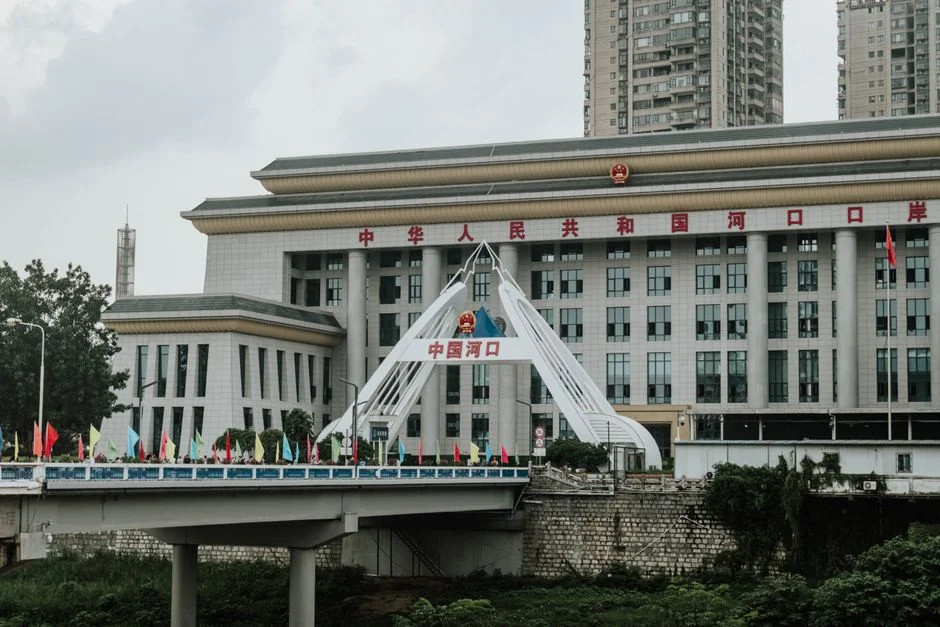
Allegations that Chinese intelligence services monitored Elon Musk and other tech executives during Donald Trump’s recent visit to Beijing have sent shockwaves through global markets. This development raises immediate questions about data security, geopolitical leverage, and the stability of US-China trade relations. Investors in Singapore and beyond are reassessing risks associated with American technology giants operating in the Chinese market.
Geopolitical Tensions and Market Volatility
The claim, initially surfaced by a prominent blogger, suggests that Chinese authorities deployed advanced surveillance tools to track the movements and communications of key US tech leaders. Such an assertion directly impacts how investors perceive the political risk premium on US equities. Markets in Asia, including the Singapore Exchange (SGX), often react swiftly to shifts in US-China diplomatic relations. Any hint of espionage can trigger sell-offs in the technology sector.

Traders are closely watching the Nasdaq Composite for signs of instability. The technology-heavy index is particularly sensitive to news regarding Tesla, SpaceX, and X (formerly Twitter). If the allegations gain traction, share prices could face downward pressure as investors price in potential regulatory retaliation. This volatility is not confined to the US; global supply chains are intertwined, meaning disruptions in Beijing affect manufacturers in Singapore and Southeast Asia.
Implications for Singaporean Businesses

Singapore serves as a critical hub for multinational corporations navigating the US-China rivalry. Local businesses must evaluate how this espionage claim affects their operational strategies. Companies with significant exposure to both markets face increased uncertainty. Supply chain managers are reviewing contracts and data flow protocols to mitigate potential disruptions. The stability of the Singapore dollar may also be influenced by broader market sentiment.
Financial institutions in Singapore are advising clients to maintain liquidity. This caution is prudent given the unpredictable nature of geopolitical shocks. Investors looking at how Musk affects SG markets should note that Tesla’s performance in China directly influences local auto dealers and suppliers. Any political friction that threatens Tesla’s market share in Beijing could ripple through the regional automotive ecosystem.
Data Security Concerns
For tech firms, the allegation highlights the critical importance of data sovereignty. Companies must ensure that sensitive intellectual property is protected from foreign intelligence agencies. This is particularly relevant for firms using cloud services hosted in Beijing. Singaporean tech startups expanding into China must invest in robust cybersecurity measures. The cost of doing business may rise as firms adopt stricter data governance frameworks.
Investor Sentiment and Risk Assessment
The narrative surrounding Musk explained in recent media coverage often focuses on his business acumen. However, this incident underscores the political vulnerabilities of high-profile CEOs. Investors are re-evaluating the risk-reward profile of holding shares in companies with heavy Chinese exposure. This includes not only Tesla but also Apple, NVIDIA, and AMD. The potential for asset seizure or regulatory hurdles is a tangible concern.
Market analysts are monitoring trading volumes in key tech stocks. Unusual trading activity can signal insider knowledge or institutional hedging strategies. In Singapore, wealth managers are discussing these developments with high-net-worth clients. The goal is to diversify portfolios to reduce reliance on any single geopolitical relationship. This shift in strategy reflects a broader trend of de-risking from China.
Trump’s Role in US-China Relations
Donald Trump’s visit to Beijing was intended to stabilize trade relations. However, the spy allegations complicate this diplomatic effort. Understanding what is Trump’s approach to China is crucial for predicting future policy moves. His administration has historically favored a transactional approach to international relations. This means that concessions may be granted or withdrawn based on immediate economic benefits.
The Trump impact on SG is felt through changes in global trade flows. Singapore benefits from increased trade activity as companies seek neutral grounds for negotiation. However, political instability can disrupt these flows. Investors must stay informed about policy announcements from Washington and Beijing. The interplay between US and Chinese leaders will continue to shape global market dynamics.
Regulatory Responses and Legal Challenges
If the espionage claims are substantiated, regulatory bodies in the US may impose new sanctions on Chinese tech firms. This could include restrictions on data access or investment caps. Such measures would have far-reaching consequences for the global tech industry. Singaporean regulators may also review their own data protection laws to ensure alignment with international standards. This proactive approach helps maintain Singapore’s reputation as a trusted financial hub.
Legal experts suggest that lawsuits could follow if data breaches are confirmed. These legal battles could last for years, creating uncertainty for businesses. Companies need to prepare for potential litigation costs. This includes securing legal counsel in both the US and China. The outcome of these cases will set precedents for future cross-border data disputes.
Long-term Economic Consequences
The long-term economic consequences of this incident are difficult to predict. However, history suggests that geopolitical tensions lead to increased market volatility. Investors should prepare for periods of uncertainty. Diversification remains a key strategy for mitigating risk. This includes spreading investments across different sectors and geographic regions. Singapore’s open economy makes it both resilient and vulnerable to global shocks.
Businesses must adapt to a new normal of heightened geopolitical risk. This involves continuous monitoring of political developments and market trends. Flexibility in supply chains and investment portfolios is essential. Companies that fail to adapt may find themselves at a competitive disadvantage. The ability to navigate complex international relations will be a key differentiator for successful firms.
What to Watch Next
Investors should monitor official statements from the US State Department and Chinese Ministry of Foreign Affairs. These statements will provide clarity on the diplomatic fallout from the allegations. Additionally, quarterly earnings reports from major tech companies will offer insights into the financial impact of the spy scare. Look for changes in revenue growth and profit margins in the Chinese market. The next Federal Reserve meeting will also be crucial for understanding monetary policy responses to market volatility.
See Also
- England Cricket Debutants Trigger New Zealand Series Shift
- CSIRO Job Cuts Trigger Climate Data Crisis for Australian Markets
What is the latest news about china spied on musk in beijing markets react to intel frenzy?
Why does this matter for environment-nature?
What are the key facts about china spied on musk in beijing markets react to intel frenzy?