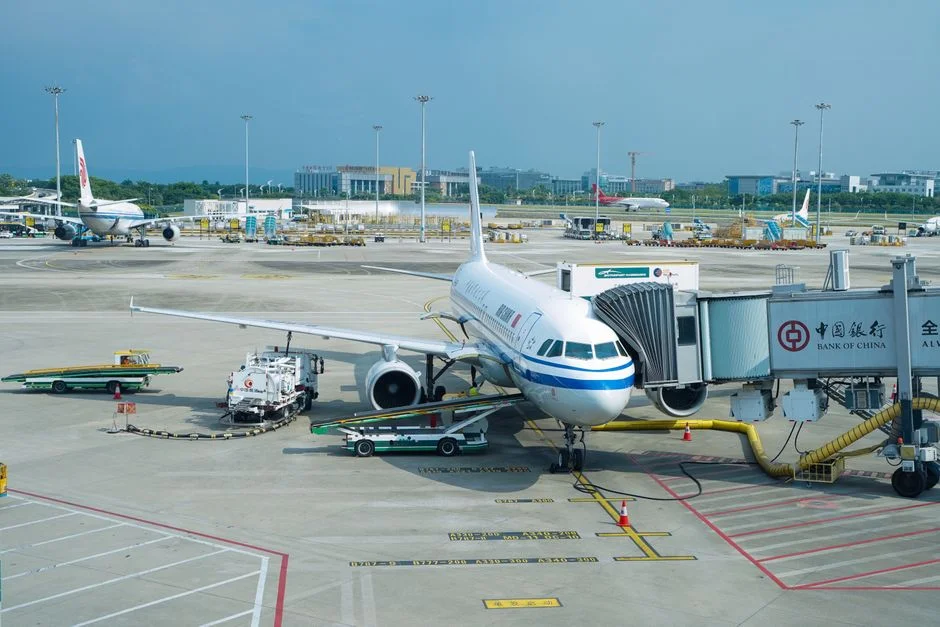
China’s Chengdu Aerospace Corporation has confirmed the successful integration of a next-generation air-to-air missile on the J-10C fighter jet, triggering immediate volatility in Asian defence markets. This technological leap forces regional competitors in Singapore and Australia to accelerate their own procurement strategies, directly impacting local defence budgets and supply chain investments. The announcement sends a clear signal to investors that the South China Sea arms race is entering a capital-intensive phase.
Market Reaction to J-10C Upgrades
Stock prices for major Asian defence contractors surged within hours of the announcement. Investors are pricing in the likelihood that Singapore and other regional powers will need to upgrade their own fleets to maintain air superiority. The ripple effect is already visible in the bond markets, where sovereign debt yields for key regional players are shifting as defence spending projections rise. This is not merely a tactical update; it is a macroeconomic event that reshapes fiscal priorities across Southeast Asia.
The financial implications extend beyond immediate stock gains. Companies involved in avionics and sensor technology are seeing increased order books. Singapore-based firms supplying precision components for the F-15SG and F-35 fleets are expected to benefit from accelerated delivery schedules. Market analysts are closely monitoring the supply chain resilience of these suppliers, as any bottleneck could lead to significant cost overruns for national defence budgets.
Singapore’s Strategic Response and Budget Impact


Singapore’s Ministry of Defence faces immediate pressure to reassess its air wing composition. The introduction of a more capable J-10C threatens the balance of power in the region, forcing Singapore to consider faster-than-expected upgrades to its existing fleet. This could mean increased expenditure on the F-35B Lightning II programme or enhanced capabilities for the Eurofighter Typhoons. The economic burden on the Singaporean taxpayer is a critical consideration in this strategic calculus.
The government must balance military readiness with economic stability. Increased defence spending can stimulate local industries, but it also diverts funds from social services and infrastructure. Singapore’s tight fiscal space means that every dollar spent on defence must deliver maximum operational value. The decision to accelerate procurement will likely be announced in the upcoming budget session, sending further signals to the market.
Implications for Local Defence Contractors
Local defence contractors in Singapore are poised to benefit from the increased urgency. Companies like ST Engineering and SingTech are key players in the regional supply chain. They provide critical maintenance, repair, and overhaul (MRO) services for regional air forces. The J-10C upgrade increases the demand for high-precision components and advanced sensor systems, areas where Singaporean firms excel. This presents a tangible growth opportunity for these businesses, potentially boosting their revenue streams and stock valuations.
Investors in the Singapore Exchange (SGX) are closely watching these companies. Any announcement of new contracts or accelerated delivery schedules could trigger significant price movements. The market is sensitive to news from the region, and the J-10C development is no exception. Traders are positioning themselves to capitalize on the expected increase in defence spending, making this a key sector to monitor in the coming months.
Regional Arms Race and Economic Consequences
The J-10C upgrade is part of a broader trend of military modernization in Asia. China, India, and Japan are all increasing their defence budgets to secure their strategic interests. This arms race has profound economic consequences. It drives up the cost of key commodities like titanium and rare earth elements, which are essential for aerospace manufacturing. The increased demand also puts pressure on global supply chains, leading to potential inflation in the defence sector.
For investors, this means that defence stocks are becoming a key hedge against regional instability. The sector is traditionally seen as defensive, but the current dynamics suggest it could offer significant growth potential. The integration of new technology on the J-10C is just one example of the rapid pace of innovation in the region. This pace is likely to continue, driving further investment and economic activity in the defence sector.
The economic impact is not limited to the immediate suppliers. The broader economy benefits from the multiplier effect of defence spending. Increased investment in research and development leads to technological spillovers that benefit other industries. For example, advances in sensor technology for the J-10C could lead to improvements in autonomous vehicles and smart city infrastructure. These long-term benefits are important to consider when evaluating the economic impact of the arms race.
Investment Perspective on Defence Stocks
Investors should look beyond the immediate stock price movements. The long-term outlook for defence stocks depends on the sustained commitment of regional governments to military modernization. The J-10C upgrade is a signal that China is serious about maintaining its air superiority. This commitment is likely to be matched by increased spending from Singapore and other regional powers. This creates a favorable environment for defence stocks over the next decade.
Diversification is key for investors in this sector. The defence industry is diverse, encompassing aircraft manufacturers, avionics suppliers, and MRO service providers. By spreading investments across these sub-sectors, investors can mitigate the risks associated with individual companies. For example, if one aircraft manufacturer faces production delays, its competitors may benefit. This diversification strategy is essential for navigating the complexities of the defence market.
Risk management is also crucial. The defence sector is subject to political and economic uncertainties. Changes in government policy, trade agreements, and global economic conditions can all impact defence stocks. Investors need to stay informed about these developments and adjust their portfolios accordingly. The J-10C upgrade is a reminder of the dynamic nature of the regional security environment. This dynamism creates both opportunities and risks for investors.
Supply Chain Resilience and Cost Pressures
The rapid pace of military modernization puts pressure on global supply chains. The demand for high-quality components and advanced materials is increasing, leading to potential bottlenecks. This can drive up costs for defence contractors, squeezing profit margins. Companies need to invest in supply chain resilience to mitigate these risks. This includes diversifying suppliers, investing in local production, and leveraging technology to improve efficiency.
Singapore’s strategic location makes it a key hub for defence supply chains. The country’s efficient logistics infrastructure and skilled workforce make it an attractive destination for defence contractors. This advantage is likely to be reinforced by the increased demand for MRO services and component supply. Singaporean companies are well-positioned to capitalize on this opportunity, provided they can maintain their competitive edge in quality and cost.
The cost pressures are not limited to the immediate suppliers. The broader economy is also affected. Increased defence spending can lead to inflation in key sectors, such as aerospace and electronics. This inflation can spill over into other parts of the economy, impacting consumers and businesses. Policymakers need to monitor these trends and take steps to mitigate the inflationary pressures. This includes investing in productivity-enhancing technologies and promoting competition in key sectors.
Technological Innovation and Competitive Edge
The J-10C upgrade highlights the importance of technological innovation in the defence sector. The integration of next-generation missiles and avionics gives the J-10C a competitive edge over its rivals. This technological advantage is likely to drive further innovation in the region. Competitors will need to invest in research and development to keep pace with China’s advancements. This creates a virtuous cycle of innovation that benefits the broader economy.
Singapore is a leader in technological innovation, particularly in the areas of aerospace and electronics. The country’s investment in research and development has yielded significant returns, positioning it as a key player in the global defence market. The J-10C upgrade is a reminder of the importance of continued investment in innovation. Singaporean companies need to leverage their technological edge to capture a larger share of the regional defence market.
The competitive edge is not just about technology. It is also about cost efficiency and supply chain resilience. Singaporean companies have a reputation for high quality and reliability. This reputation is a key asset in the defence sector, where performance and dependability are critical. By maintaining their competitive edge in these areas, Singaporean companies can secure long-term contracts and sustainable growth.
Future Outlook and Market Watchpoints
The J-10C upgrade is just the beginning of a new phase in the regional arms race. Investors and policymakers need to stay alert to further developments. The next key event to watch is Singapore’s defence budget announcement. This will provide clarity on the country’s strategic priorities and spending plans. The market is likely to react strongly to any announcements of accelerated procurement or new partnerships.
Another important watchpoint is the performance of Chinese defence contractors. The success of the J-10C upgrade will likely boost the confidence of investors in China’s defence sector. This could lead to increased foreign investment in Chinese defence stocks. Investors should monitor the performance of key Chinese defence companies, such as Avic and CSSC, for signs of growth and profitability.
The broader economic impact of the arms race will also be a key factor. Investors need to monitor inflation trends, supply chain dynamics, and global economic conditions. These factors will influence the performance of defence stocks and the broader economy. By staying informed and adaptable, investors can navigate the complexities of the regional defence market and capitalize on the opportunities presented by the J-10C upgrade. The next quarter will be critical for assessing the long-term trends in this sector.
See Also
- Votaram Reveals Third Highest Turnout Ever at Sporting Elections - What It Means for Markets
- Reliance Jio AI Chief Warns India Must Build Own Tech or Risk Falling Behind
Technological Innovation and Competitive Edge The J-10C upgrade highlights the importance of technological innovation in the defence sector. The country’s investment in research and development has yielded significant returns, positioning it as a key player in the global defence market.
What is the latest news about china tests new j10 missile defence stocks rally?
Why does this matter for economy-business?
What are the key facts about china tests new j10 missile defence stocks rally?