Singaporean mountaineers are pressing ahead with their ascent of Mount Dukono, an active volcano in Indonesia, despite escalating geological warnings. This decision highlights a growing tension between adventure tourism and economic risk management for Singapore's outbound travel sector. The move has immediate implications for travel insurers, tour operators, and the broader hospitality industry.
Volcanic Activity and Travel Decisions
Mount Dukono, located on the island of Halmahera in the North Maluku province, has shown increased seismic activity in recent weeks. The Indonesia Agency for the Management of Disaster Mitigation (BNPB) has raised the alert level, urging caution for those in the immediate vicinity. Despite these official warnings, a group of Singapore-based climbers has chosen to maintain their original itinerary, citing preparedness and real-time data monitoring.
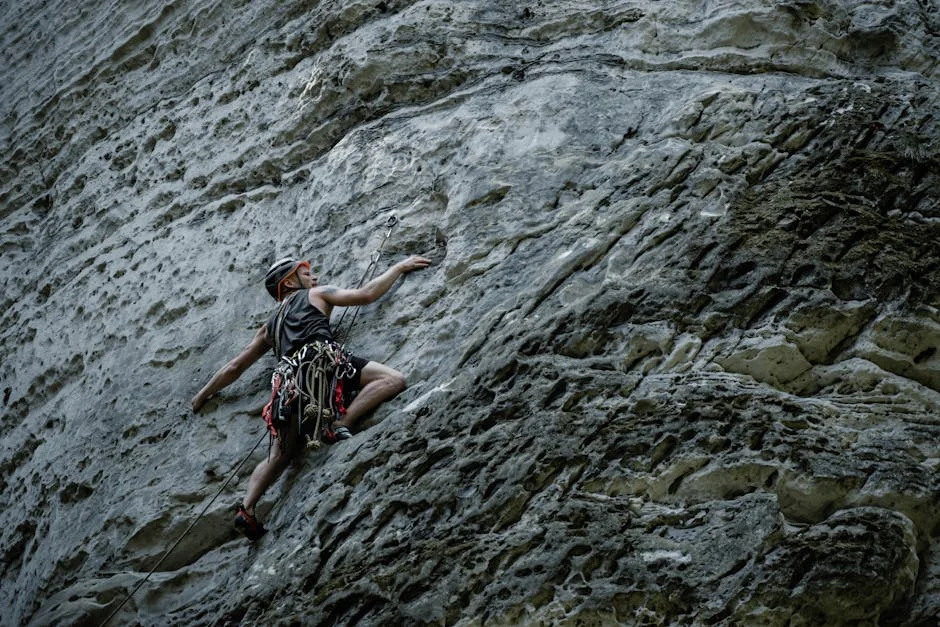
This scenario is not isolated. Singaporeans are among the most frequent outbound travelers in Southeast Asia, with Indonesia being a top destination for both leisure and adventure tourism. The decision to climb an active volcano represents a significant shift in consumer behavior, moving beyond standard beach holidays to high-stakes adventure. This trend puts pressure on the travel industry to adapt its risk assessment models.
The economic reality is that adventure tourism is a high-margin segment. Tour operators in Singapore are increasingly marketing "bucket list" experiences to affluent demographics. However, when natural disasters intervene, the financial burden often falls on the traveler or the insurer. The Mount Dukono case serves as a critical test case for how well the market is priced for these specific risks.
Risk Assessment for Travelers
Travelers often underestimate the financial exposure associated with adventure sports. Standard travel insurance policies in Singapore frequently exclude "adventure activities" unless a specific rider is purchased. For Mount Dukono, this could mean that medical evacuation costs, which can exceed SGD 10,000, are not fully covered. This gap in coverage represents a direct financial risk to the average Singaporean climber.
Insurance companies are now facing a complex underwriting challenge. They must balance the need for competitive premiums with the rising frequency of natural disasters in the Asia-Pacific region. The Mount Dukono incident may force insurers to introduce more granular exclusions for volcanic regions, potentially increasing costs for all travelers visiting Indonesia.
Economic Impact on Singapore's Tourism Sector

The tourism industry is a vital component of Singapore's post-pandemic economic recovery. Inbound and outbound travel flows are closely monitored by the Ministry of Trade and Industry (MTI) as key indicators of consumer confidence. Any disruption to popular destinations like Indonesia can have ripple effects on Singapore's service economy, particularly in aviation and hospitality.
Singapore Airlines and other carriers operate frequent flights to Jakarta and Bali, with many passengers extending their trips to eastern Indonesia. If Mount Dukono's activity leads to a broader perception of instability in the region, airlines may face reduced demand on these routes. A 5% drop in passenger numbers on regional routes can significantly impact quarterly earnings for these carriers.
Furthermore, the hospitality sector in Singapore benefits from the "spillover" effect of Indonesian tourism. Many travelers use Singapore as a hub before or after their Indonesian adventure. If Indonesia becomes perceived as a high-risk destination, Singapore's hotels and MICE (Meetings, Incentives, Conferences, Exhibitions) sector could see a temporary dip in occupancy rates. This interconnectedness means that geological events in Halmahera have direct economic consequences in Marina Bay.
Insurance Market Adjustments
The insurance industry in Singapore is already reacting to the Mount Dukono situation. Major insurers such as Great Eastern and Prudential are reviewing their policy wordings for travel insurance. There is a growing consensus that "force majeure" clauses need to be more specific regarding volcanic activity. This regulatory shift will likely lead to higher premiums for travelers visiting geologically active zones.
Investors in the insurance sector are watching this development closely. If the frequency of claims related to natural disasters increases, the profit margins for general insurance companies could be squeezed. This could lead to a revaluation of insurance stocks on the Singapore Exchange (SGX), particularly for those with heavy exposure to travel and health insurance.
The business implication is clear: insurers must invest in better data analytics to predict and price risk. This includes using real-time seismic data and satellite imagery to adjust premiums dynamically. Companies that fail to adapt may face higher claim payouts, eroding their competitive advantage in a crowded market.
Investment Perspective and Market Sentiment
For investors, the Mount Dukono incident offers a microcosm of broader macroeconomic risks in Southeast Asia. The region is part of the "Ring of Fire," making it prone to earthquakes, tsunamis, and volcanic eruptions. Understanding these risks is crucial for anyone investing in regional tourism, real estate, or infrastructure projects.
Market sentiment can be fragile. A single high-profile incident can lead to a wave of cancellations, affecting the quarterly revenue of tourism-related companies. Investors should monitor the performance of Singaporean travel agencies and hotel chains in the weeks following the climb. Any significant drop in bookings could signal a longer-term shift in consumer confidence.
Additionally, the incident highlights the importance of supply chain resilience. Tourism relies on a complex network of services, from airlines to local guides. A disruption in one link can have cascading effects. Investors should look for companies with diversified revenue streams and strong risk management frameworks. These firms are better positioned to weather unexpected shocks like volcanic eruptions.
Business Implications for Tour Operators
Singapore-based tour operators are facing increased pressure to provide transparent risk communication. Customers are demanding more detailed information about safety protocols and insurance coverage. Operators who fail to meet these expectations risk losing market share to competitors who offer more comprehensive packages.
This trend is driving innovation in the travel industry. Some operators are beginning to offer "risk-inclusive" packages that bundle travel insurance, real-time weather updates, and flexible cancellation policies. These value-added services can differentiate brands in a competitive market, allowing operators to charge a premium for peace of mind.
The business model for adventure tourism is evolving. It is no longer just about the destination; it is about the entire experience, including safety and financial security. Companies that can successfully integrate these elements into their offerings will be better positioned to capture the growing demand for high-end adventure travel.
Regulatory Response and Future Outlook
The Singapore government is likely to review its travel advisory systems in light of incidents like Mount Dukono. The Ministry of Foreign Affairs (MFA) issues travel advisories, but there is often a lag between geological events and official updates. Faster, more data-driven advisories could help travelers make more informed decisions, reducing the economic impact of unexpected disruptions.
Regulators may also consider mandating more detailed disclosure requirements for travel insurance policies. This would ensure that consumers are fully aware of what is and isn't covered, reducing the likelihood of disputes and claims. Such regulatory changes would have a direct impact on the insurance industry, forcing companies to simplify their products and improve transparency.
Looking ahead, the Mount Dukono incident serves as a reminder of the interconnectedness of the global economy. A volcanic eruption in Indonesia can affect insurance premiums in Singapore, airline stocks on the SGX, and hotel occupancy rates in Marina Bay. Understanding these linkages is essential for businesses, investors, and policymakers navigating the complexities of the post-pandemic economic landscape.
Readers should monitor the upcoming quarterly earnings reports from major Singaporean insurers and travel companies. These reports will provide concrete data on how the Mount Dukono incident and similar events are affecting the bottom line. Additionally, watch for any new regulatory announcements from the Monetary Authority of Singapore (MAS) regarding travel insurance disclosures, which could signal a broader shift in consumer protection policies.
See Also
- Liverpool Struggles as Hugo Ekitike Injured, ZA Eyes PSG Move
- Omba Resigns Amid Afcon Final Fallout — African Football Governance in Turmoil
What is the latest news about singapore climbers defy volcano risks tourism economy faces new stakes?
Why does this matter for culture-arts?
What are the key facts about singapore climbers defy volcano risks tourism economy faces new stakes?