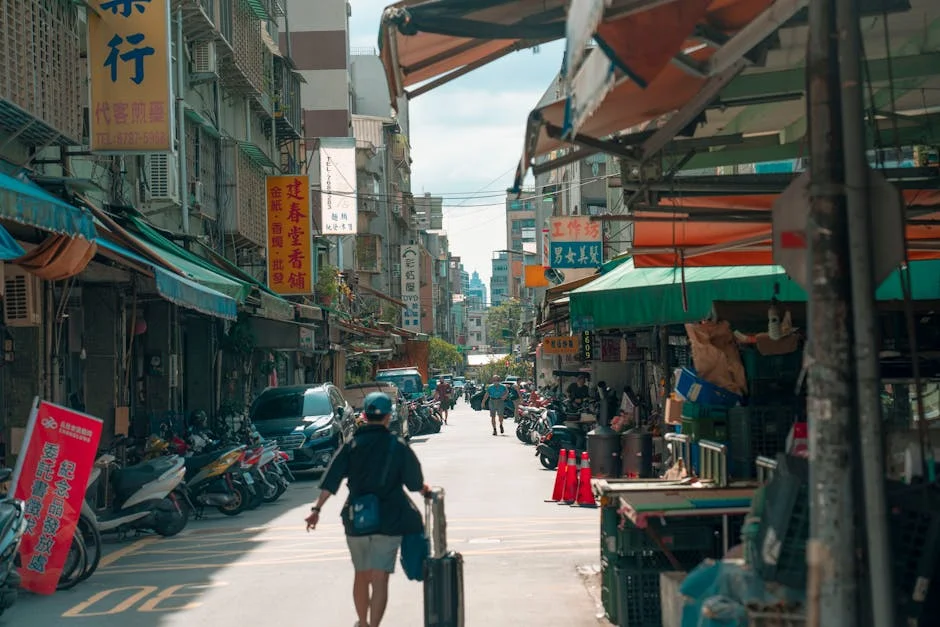
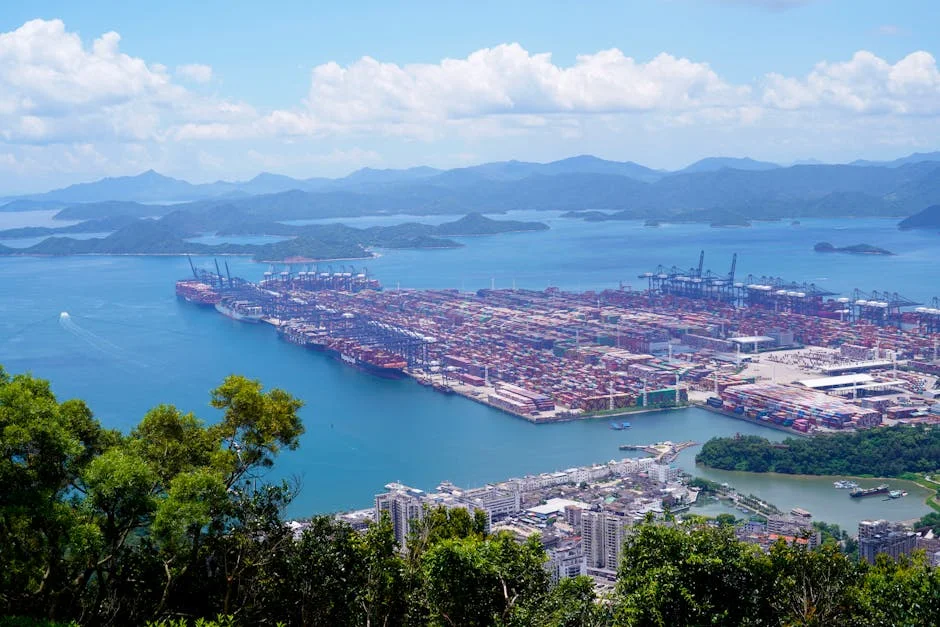
Hong Kong has officially tightened entry controls for travellers arriving from Africa, a move that sends immediate ripples through regional trade and investment corridors. This policy shift targets specific health and security protocols, forcing businesses to recalibrate their supply chains and travel budgets overnight. Investors in Singapore are closely monitoring the development as it could alter the flow of goods and capital across the Asia-Pacific region.
Immediate Policy Implementation
The Hong Kong government announced the new regulations without warning, catching many airlines and logistics firms off guard. Officials stated that the measures are necessary to manage emerging risks, though specific details on the duration of the controls remain vague. The suddenness of the announcement has created a climate of uncertainty for frequent business travellers.
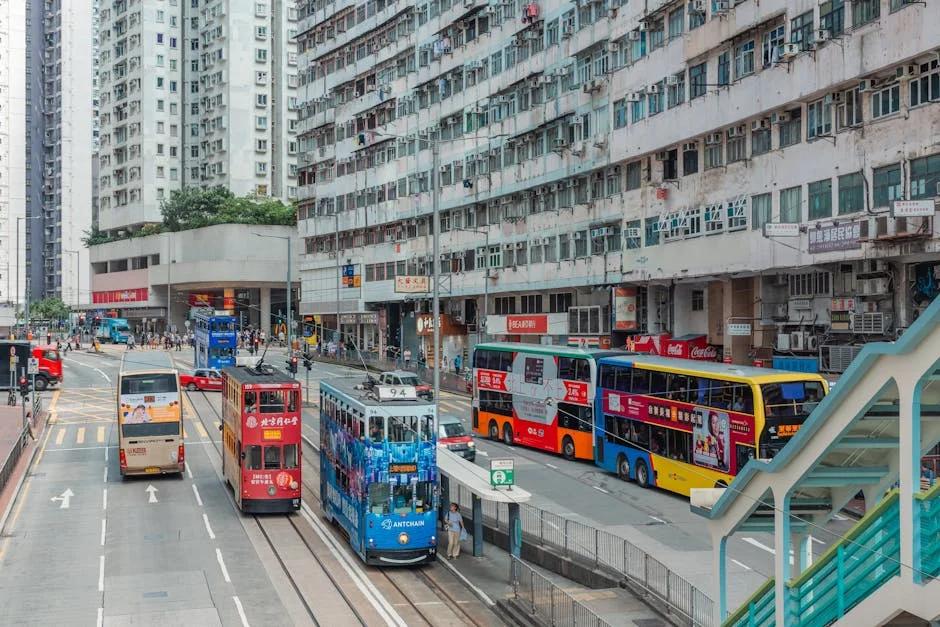
Travel restrictions now include mandatory health declarations and potential quarantine periods for arrivals from designated African nations. These requirements add layers of administrative burden and cost for corporations relying on swift personnel movement. Companies with offices in Nairobi, Lagos, and Johannesburg must now navigate a more complex approval process to send staff to Hong Kong.
The financial sector, which forms the backbone of Hong Kong’s economy, faces immediate operational hurdles. Bankers and consultants who routinely fly between continents now face longer layovers and higher ticket prices due to reduced flight frequencies. This friction could slow down deal-making and negotiation processes that depend on face-to-face interaction.
Impact on Singaporean Businesses

For Singaporean companies using Hong Kong as a gateway to mainland China, these new controls introduce significant logistical challenges. Many firms route their African imports through Hong Kong to take advantage of its free port status and efficient customs clearance. The added scrutiny on travellers may extend to cargo inspections, leading to potential delays at the Kai Tak and Chek Lap Kok airports.
Trade volumes between Singapore and Hong Kong have historically been robust, driven by electronics, machinery, and financial services. Any disruption to the smooth flow of people can have a knock-on effect on the movement of goods. Singaporean exporters must now factor in additional lead times when planning shipments that involve Hong Kong transit.
Small and medium-sized enterprises (SMEs) in Singapore are particularly vulnerable to these changes. Unlike larger multinationals, SMEs often lack the resources to absorb sudden increases in travel and logistics costs. A delay in a key executive’s arrival in Hong Kong could push back contract signings, affecting cash flow and market entry strategies.
Supply Chain Vulnerabilities
The reliance on Hong Kong as a logistics hub means that any bottleneck there can echo through Singapore’s supply chains. Importers of African commodities such as cocoa, coffee, and rare earth minerals may face price volatility. These commodities are often shipped to Hong Kong for processing before being distributed to Singaporean manufacturers.
Businesses must now assess their dependency on the Hong Kong corridor. Diversifying routes through other hubs like Dubai or Rotterdam may become a strategic necessity for some firms. This shift could lead to a long-term restructuring of trade patterns, potentially reducing Hong Kong’s dominance in certain sectors.
Investor Sentiment and Market Reaction
Financial markets in Hong Kong reacted with mild volatility following the announcement. The Hang Seng Index saw a slight dip as investors priced in the potential for slower economic activity. Foreign investors, particularly those from Singapore, are watching the situation closely to gauge the long-term impact on returns.
The property market in Hong Kong may also feel the pressure. With fewer business travellers, demand for short-term corporate housing and hotel rooms could decline. This could affect rental yields for investors who have allocated capital to Hong Kong’s real estate sector. Singaporean property funds with significant exposure to Hong Kong need to monitor occupancy rates closely.
Equity markets in Singapore have shown resilience, but sector-specific impacts are emerging. Airlines and travel agencies listed on the Singapore Exchange are seeing their shares fluctuate in response to the news. Investors are adjusting their portfolios to account for the increased uncertainty in the travel and logistics sectors.
Regional Economic Consequences
The tightening of controls in Hong Kong has broader implications for the Greater Bay Area (GBA). As the GBA aims to integrate its economies with the rest of the world, any friction in entry points can hinder this integration. Singapore, as a key financial partner, may find its influence in the GBA slightly diminished if access becomes more cumbersome.
Other Asian financial hubs are positioning themselves to capture the displaced business activity. Cities like Tokyo and Seoul are marketing themselves as alternative meeting points for African and Asian investors. This competitive dynamic could force Hong Kong to refine its policies to remain attractive to international capital.
The economic interdependence between Singapore and Hong Kong means that a shock in one city often translates to a ripple in the other. Trade agreements and bilateral investment treaties may need to be revisited to address these new logistical realities. Policymakers in both cities are likely to engage in diplomatic talks to mitigate the adverse effects.
Long-Term Strategic Implications
This development highlights the fragility of globalized trade networks. Even a seemingly minor change in travel policy can disrupt the flow of capital, goods, and ideas. Businesses must adopt a more agile approach to risk management, considering multiple scenarios when planning for the future.
Investors should look for opportunities in sectors that benefit from the restructuring. Logistics companies that offer end-to-end solutions may see increased demand as firms seek to simplify their supply chains. Technology firms providing digital collaboration tools could also gain market share as businesses reduce their reliance on physical travel.
The long-term impact will depend on how quickly Hong Kong adapts its policies. If the controls are temporary, the market may recover swiftly. However, if they become a permanent feature, businesses will need to make structural adjustments to their operations. This could lead to a redefinition of Hong Kong’s role in the global economic landscape.
What to Watch Next
Stakeholders should monitor the duration and scope of the new travel controls. The Hong Kong government is expected to release further guidelines within the next month, which will provide more clarity for businesses. Investors should keep an eye on quarterly earnings reports from Hong Kong-listed companies for early signals of impact.
Singaporean firms should review their travel policies and supply chain dependencies. Engaging with logistics partners to explore alternative routes can help mitigate potential disruptions. The coming weeks will be critical in determining whether this is a short-term blip or a long-term shift in regional trade dynamics.
See Also
- Montague York Confronts Congress Over INEC's ADC Leadership Move
- Assam CM Slams Mamata Banerjee Ahead of Election — TMC 'Finished Permanently'