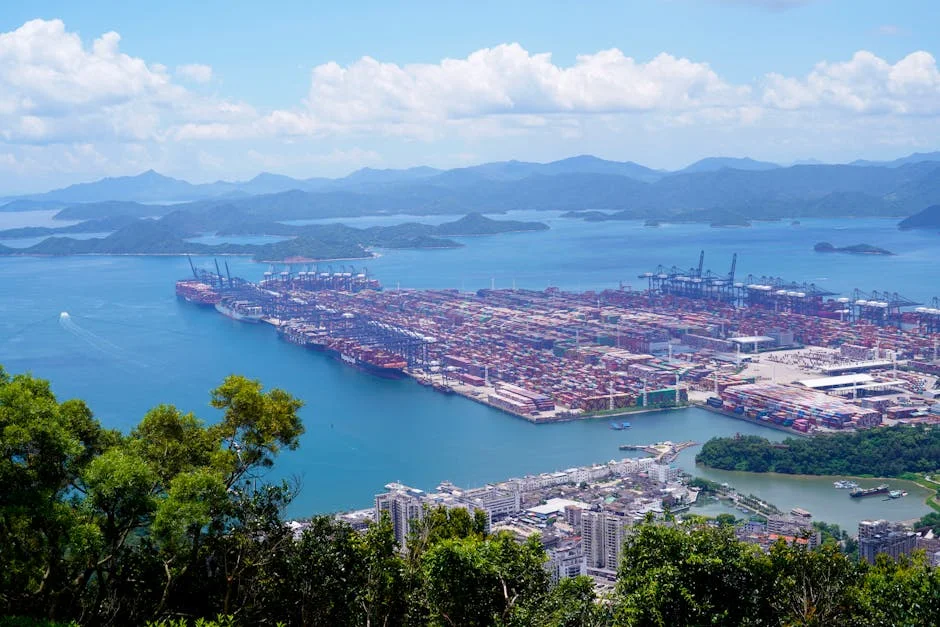
The identification of 13 men killed in recent US military boat strikes has sent shockwaves through regional markets, prompting investors to reassess risk in both the Caribbean and Pacific theaters. This development is not merely a humanitarian crisis but a tangible economic disruptor, forcing businesses to navigate sudden volatility in supply chains and insurance premiums. The human cost, described by officials as "flesh-and-blood people," now translates into hard data for financial analysts tracking geopolitical stability.
Immediate Market Reactions to Naval Escalation
Financial markets reacted swiftly to the news, with equity indices in key trading hubs showing immediate dips as uncertainty premium rose. Investors typically flee to safe-haven assets when military actions intensify, and the identification of the deceased has removed any lingering ambiguity about the scale of the engagement. This clarity often accelerates market corrections, as speculative bubbles burst under the weight of confirmed facts. Traders in Singapore and other Asian financial centers are closely monitoring these shifts, aware that regional stability directly impacts export-oriented economies.
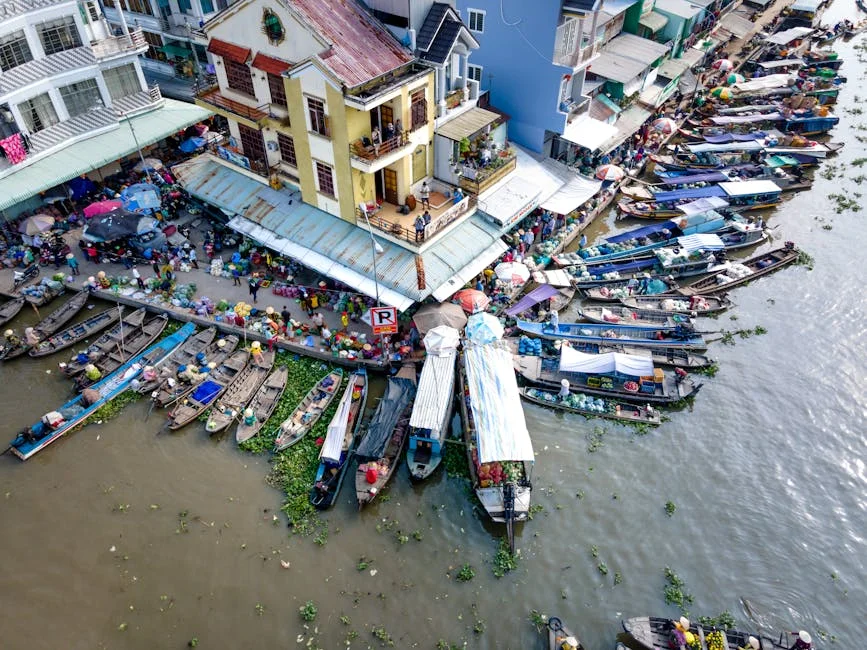
The volatility extends beyond equities, affecting currency markets and commodity prices. The US dollar often strengthens in times of global tension, which can pressure emerging market currencies in the Pacific and Caribbean regions. For businesses operating in these areas, exchange rate fluctuations can erode profit margins overnight. Supply chain managers are already adjusting logistics strategies to account for potential port closures or increased naval patrols, which add time and cost to shipping routes. This immediate economic friction highlights how quickly geopolitical events can translate into financial burdens for corporations.
Economic Implications for the Caribbean Region

The Caribbean economy, heavily reliant on tourism and maritime trade, faces immediate pressure from the perceived instability. Caribbean developments explained often focus on the direct correlation between naval presence and tourist arrival numbers. When military activity increases, potential visitors may opt for alternative destinations, leading to revenue losses for hotels, airlines, and local vendors. This sector accounts for a significant portion of GDP in many island nations, making the economic impact of these strikes profound and widespread. Businesses in the hospitality industry are already seeing booking cancellations as travelers reassess their safety perceptions.
Furthermore, the insurance sector is bracing for higher premiums for maritime and property assets. Insurers use risk models that adjust rapidly based on real-time data, and the confirmation of 13 deaths will likely trigger a re-evaluation of risk profiles for the region. This means higher costs for businesses that rely on marine transport or coastal infrastructure. How Caribbean affects SG becomes relevant as Singaporean firms with investments in Caribbean real estate or logistics networks face potential valuation adjustments. The ripple effect demonstrates how localized military actions can have global financial consequences, affecting balance sheets far from the immediate theater of operations.
Supply Chain Disruptions in Maritime Routes
Maritime routes passing through the Caribbean are critical for global trade, connecting the Atlantic and Pacific oceans via the Panama Canal. Any disruption to these routes, whether through increased naval traffic or temporary closures, can lead to delays in shipping schedules. These delays result in higher inventory holding costs and potential stockouts for retailers dependent on just-in-time delivery models. Companies must now factor in these potential bottlenecks when planning their quarterly logistics strategies. The economic cost of these delays can accumulate quickly, impacting everything from consumer goods to industrial raw materials.
Local businesses in port cities also face uncertainty as dockworkers and logistics firms adjust to the new security environment. Wages may rise due to hazard pay, and operational efficiency might drop as vessels undergo more rigorous inspections. These incremental costs are passed down the supply chain, ultimately affecting consumer prices. The economic strain on these local economies can be severe, particularly for small and medium-sized enterprises that lack the financial buffers of larger multinational corporations. Understanding what is Caribbean economic resilience requires looking at these micro-level impacts that aggregate into macro-economic trends.
Pacific Theater Economic Fallout
The Pacific region is also experiencing economic repercussions as the US military presence intensifies. Pacific developments explained reveal a complex web of trade agreements and strategic alliances that can be disrupted by sudden military actions. Countries in the Pacific Rim are major exporters of electronics, automobiles, and agricultural products, and any instability can disrupt these vital export flows. Investors are closely watching how these nations respond to the escalating tensions, as their economic policies will influence global market sentiment. The region's economic health is inextricably linked to the stability of its maritime boundaries.
Fisheries and marine resources, which are crucial for food security and local economies, face potential overfishing or pollution risks from increased naval activity. This environmental economic impact can have long-term consequences for coastal communities that depend on sustainable marine resources. How Pacific affects SG is evident in the food supply chains, where seafood imports from the Pacific region may see price fluctuations due to supply uncertainties. Singapore, as a major hub for food imports, must monitor these developments to ensure stable pricing and availability for its consumers. The interconnectivity of the global economy means that a naval strike in the Pacific can affect dinner plates in Singapore.
Investor Sentiment and Risk Assessment
Investors are recalibrating their risk models to account for the increased geopolitical tension. The identification of the 13 men adds a layer of specificity that changes the narrative from potential conflict to confirmed engagement. This shift influences how analysts value companies with significant exposure to the affected regions. Equity analysts are revising earnings forecasts to include potential headwinds from increased operational costs and reduced consumer confidence. The market's reaction underscores the importance of geopolitical risk management in modern investment strategies. Investors must be prepared for increased volatility as more details emerge about the strikes and their aftermath.
Fixed income markets are also feeling the pressure, with bond yields fluctuating as central banks assess the inflationary impact of the tensions. If supply chains are disrupted, inflationary pressures may rise, prompting central banks to maintain or increase interest rates. This monetary policy response can affect borrowing costs for businesses and consumers alike. Why Pacific matters to global investors is clear: the region's economic stability is a key driver of global growth, and any disruption can have far-reaching financial consequences. The interplay between military action and monetary policy is a critical factor for investors to monitor in the coming months.
Business Strategies Amid Uncertainty
Businesses are adopting more agile strategies to cope with the uncertainty. This includes diversifying supply chains, increasing inventory buffers, and hedging against currency fluctuations. Companies are also investing in real-time data analytics to better predict and respond to geopolitical events. This proactive approach helps mitigate the financial impact of sudden disruptions. The ability to adapt quickly to changing conditions is becoming a key competitive advantage for businesses operating in volatile regions. Leaders are recognizing that resilience is not just a operational goal but a financial necessity.
Corporate social responsibility initiatives are also coming under scrutiny, as stakeholders demand greater transparency regarding how companies are affected by and responding to the crisis. This includes assessing the environmental impact of military activities and the social impact on local communities. Businesses that fail to address these concerns may face reputational risks that can translate into financial losses. The economic landscape is shifting, and companies must be prepared to navigate these new realities. The focus is moving from pure profit maximization to sustainable value creation in the face of geopolitical uncertainty.
Looking Ahead: Economic Indicators to Watch
The coming weeks will be critical in determining the long-term economic impact of the strikes. Investors should monitor shipping indices, currency exchange rates, and commodity prices for signs of continued volatility. Central bank announcements will also provide insights into how monetary policy will respond to the inflationary pressures. Businesses should prepare for potential supply chain disruptions and adjust their financial forecasts accordingly. The economic consequences of these military actions will unfold gradually, requiring continuous monitoring and strategic adjustment. Staying informed about these developments is essential for making sound financial decisions in an increasingly complex global economy.
See Also
- Malaysia's System Crash Delays 20,000 at Immigration Checkpoints — Business Implications Loom
- Europe's Deadly May Heatwave Triggers Economic Shockwaves Across Markets