Donald Trump concluded his diplomatic mission in Beijing with a series of trade announcements that immediately rippled through global financial markets. The visit marked a pivotal moment in trans-Pacific relations, introducing new tariff structures that directly impact supply chains across Asia. Investors in Singapore and beyond are now recalibrating their portfolios to account for these shifting economic dynamics.
Immediate Market Reactions to the Beijing Accord
Global equity markets responded swiftly to the news emanating from the Great Hall of the People. The Shanghai Composite Index surged by 2.5% in morning trading, driven by optimism over reduced import duties on American agricultural products. This positive sentiment quickly crossed the Pacific, influencing the Hang Seng Index and creating a bullish atmosphere in Asian financial hubs.

However, the reaction in New York was more nuanced. The S&P 500 showed modest gains, but sector-specific volatility emerged as traders digested the details of the deal. Technology stocks, which had previously faced the brunt of US tariffs, saw a noticeable uptick in value. This divergence highlights how different industries perceive the long-term stability of the new trade framework.
Currency markets also reflected the shifting balance of power. The Chinese yuan strengthened against the US dollar, closing at 7.15 to the buck. This movement signals renewed confidence in Beijing’s economic resilience. For regional currencies like the Singapore dollar, this stability offers a buffer against broader dollar fluctuations.
Impact on Regional Supply Chains and Businesses
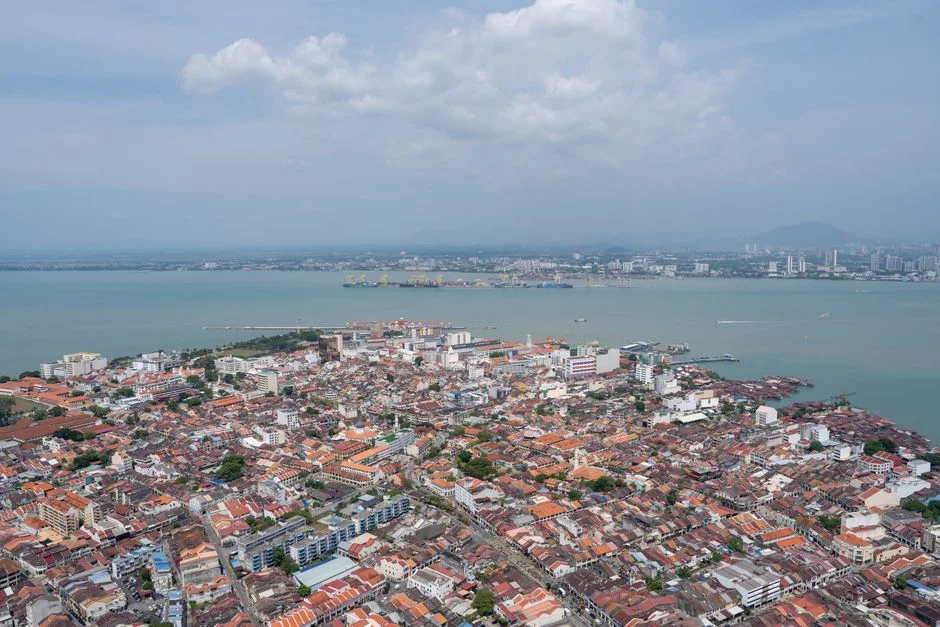
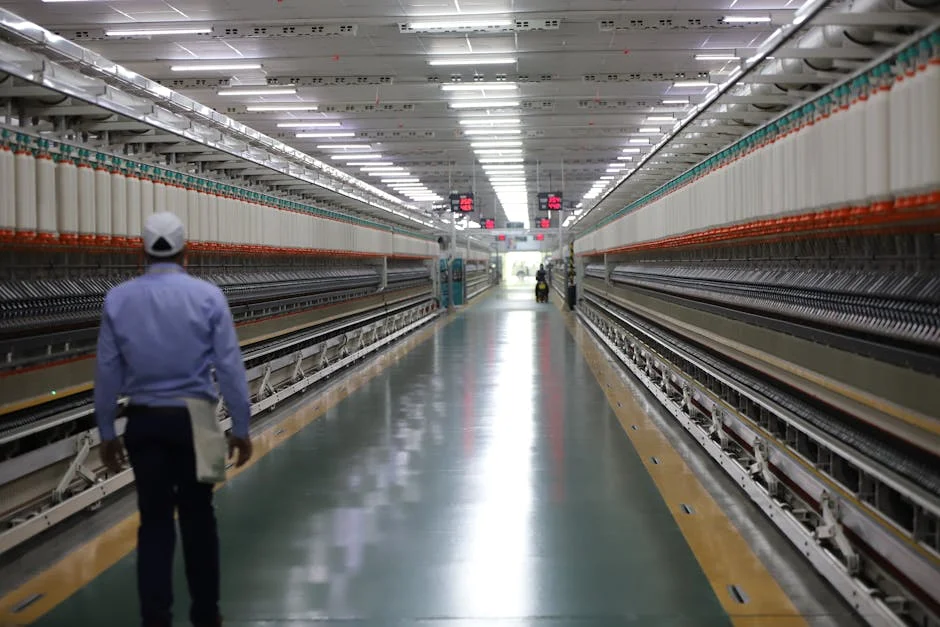
The implications for businesses operating in Southeast Asia are profound. Singapore, as a major trading hub, stands to benefit from the increased flow of goods between the two economic giants. Companies that rely on just-in-time delivery models are already adjusting their logistics strategies to accommodate the new tariff schedules.
Manufacturing firms in Vietnam and Thailand are closely monitoring the deal. The agreement includes provisions that could shift production lines away from China if certain quotas are exceeded. This potential reshuffling presents both risks and opportunities for regional manufacturers. Those who can adapt quickly may capture a larger share of the market.
Logistics companies are reporting an immediate spike in container shipping rates. The anticipation of increased trade volume has led to higher demand for port space in Singapore and Jakarta. This surge is expected to continue through the first quarter of the next fiscal year. Businesses must plan for higher operational costs during this transition period.
Specific Sector Vulnerabilities
Not all sectors are equal beneficiaries of the new agreement. The automotive industry faces particular scrutiny under the revised terms. Electric vehicle manufacturers must navigate complex regulatory environments in both markets. This creates a challenging landscape for companies seeking to expand their footprint in Asia.
Consumer electronics also face uncertainty. The deal includes intellectual property clauses that could affect tech giants like Apple and Samsung. These companies are currently assessing the legal implications of the new provisions. Investors should watch for earnings reports that reflect these strategic adjustments.
Investor Strategies in a Changing Landscape
Financial advisors in Singapore are urging clients to adopt a diversified approach. The volatility introduced by the US-China trade relationship requires careful risk management. Portfolios heavily weighted towards export-oriented companies may need rebalancing. This strategy helps mitigate the impact of sudden policy shifts.
Bond markets have shown relative stability, offering a safe haven for nervous investors. The yield on the 10-year US Treasury note has remained steady, reflecting confidence in the broader economic outlook. However, corporate bonds from Chinese issuers are seeing increased scrutiny. Credit ratings may be adjusted in the coming months.
Real estate investment trusts (REITs) in the region are also feeling the effects. Commercial properties in key business districts are experiencing higher occupancy rates as companies expand. This trend is likely to persist if the trade deal leads to sustained economic growth. Investors in property sectors should monitor rental yield trends closely.
Long-Term Economic Implications for Asia
The structural changes introduced by the Trump-Beijing accord could redefine Asia’s economic landscape. China’s reliance on exports may decrease, leading to a greater focus on domestic consumption. This shift could reduce pressure on regional competitors who have traditionally benefited from Chinese demand. The long-term impact remains a key question for economists.
Trade balances are likely to see significant adjustments. The US aims to reduce its trade deficit with China, which stood at over $300 billion last year. Achieving this goal will require sustained efforts from both nations. The success of these efforts will influence global trade flows for years to come.
Regional trade agreements like the Regional Comprehensive Economic Partnership (RCEP) may gain new relevance. As the US and China negotiate their bilateral terms, other Asian nations could leverage these agreements to secure better deals. This dynamic adds another layer of complexity to regional economic integration.
Policy Responses from Regional Governments
Asian governments are formulating responses to the new trade reality. Singapore has announced a review of its free trade agreements to ensure they remain competitive. This proactive approach aims to attract foreign investment that might otherwise flow to China or the US. The government’s focus on digital trade is a key differentiator.
Japan and South Korea are also adjusting their economic policies. Both nations are increasing investments in semiconductor technology to reduce dependence on Chinese components. This strategic move aims to secure their positions in the global tech supply chain. The competition for technological supremacy is intensifying.
The Association of Southeast Asian Nations (ASEAN) is coordinating a unified response. Member states are working to create a more integrated regional market. This effort aims to make ASEAN a more attractive destination for multinational corporations. The success of this initiative will depend on effective policy coordination.
What to Watch in the Coming Weeks
The next critical milestone is the ratification of the trade deal by the US Congress. This process could take several months and may involve amendments that alter the original terms. Investors should monitor legislative hearings and committee votes for signs of potential changes. The outcome will determine the final shape of the agreement.
Beijing’s implementation of the new tariff schedules will also be closely watched. The Chinese Ministry of Commerce has promised a phased approach to avoid sudden shocks to the economy. This gradual implementation allows businesses to adjust their strategies. Delays or accelerations in this timeline could trigger market volatility.
Finally, the Federal Reserve’s monetary policy decisions will influence global liquidity. Interest rate adjustments in the US will affect capital flows into emerging markets. This interplay between trade policy and monetary policy creates a complex environment for investors. Staying informed about these developments is essential for making sound financial decisions.
See Also
- Plibersek Slams Israel Over Activist Treatment — Markets Watch
- Iran Conflict Sparks Market Volatility, Impacting Singaporeans' Bills