SGFR has officially opened its latest outlet at Jurong Point, immediately drawing large crowds of young shoppers and signalling a strategic expansion into Singapore’s western retail hub. This launch targets the rapidly growing Gen Alpha demographic, leveraging social media trends to drive footfall in a competitive high-street environment. The opening marks a pivotal moment for the brand as it seeks to consolidate its market position amid shifting consumer spending patterns across the island.
Strategic Expansion into Western Singapore
The decision to establish a presence at Jurong Point reflects a deliberate move to capture market share in one of Singapore’s most densely populated residential areas. Jurong East serves as a key transport interchange and commercial centre, attracting thousands of commuters and shoppers daily. SGFR’s entry into this space challenges established retail players who have long dominated the western corridor. This expansion is not merely about square footage; it is about visibility and accessibility for a younger, more mobile consumer base.
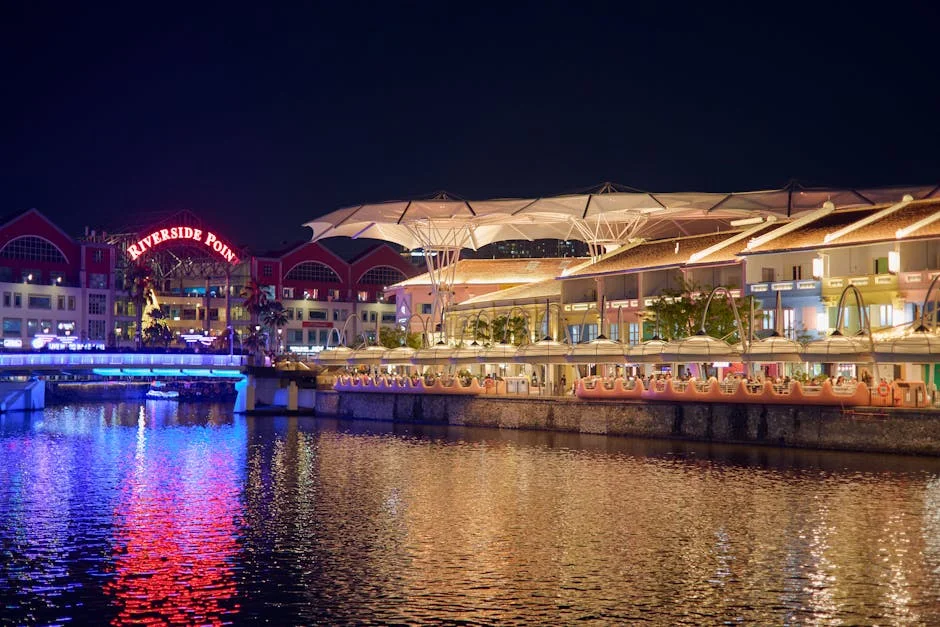
Real estate analysts note that western Singapore offers higher rental yields compared to the Orchard Road belt, providing better margins for lifestyle brands. SGFR’s ability to negotiate favourable lease terms at Jurong Point could set a precedent for other emerging retailers looking to break into the prime retail sector. The brand’s growth strategy relies on high turnover and impulse buying, which thrives in high-traffic mall environments. This location choice aligns with broader trends of decentralisation in Singapore’s retail landscape.
Decoding the Gen Alpha Appeal

Gen Alpha, born between 2010 and 2024, represents a distinct consumer cohort with unique purchasing behaviours. This demographic is heavily influenced by visual content, short-form videos, and peer recommendations on platforms like TikTok and Instagram. SGFR’s product curation and store design are tailored to resonate with these digital natives, creating an immersive shopping experience that extends beyond the physical item. The brand’s success at Jurong Point demonstrates the power of aligning product offerings with the aesthetic preferences of the youngest generation.
Visual Merchandising and Social Proof
The store’s interior features bold colours, interactive displays, and Instagrammable corners that encourage user-generated content. Shoppers are not just buying products; they are buying into a lifestyle brand that values self-expression and trendiness. This strategy creates a feedback loop where social media exposure drives in-store visits, which in turn generate more online content. SGFR has mastered the art of turning customers into brand ambassadors, reducing the cost of customer acquisition. This approach is particularly effective in a saturated market where traditional advertising often struggles to capture attention.
Market researchers indicate that Gen Alpha spends a significant portion of their allowance on lifestyle and fashion items, driven by the desire for social validation. SGFR taps into this psychological driver by offering affordable yet trendy products that allow young consumers to keep up with fast-moving fashion cycles. The brand’s pricing strategy strikes a balance between affordability and perceived value, making it accessible to teenagers and young adults. This pricing model is crucial for maintaining high volume sales, which is essential for retail profitability.
Economic Impact on Local Retail Markets
The opening of SGFR at Jurong Point has immediate implications for local retailers and the broader retail economy. Increased competition forces existing brands to innovate their product lines and marketing strategies to retain customer loyalty. This competitive pressure can lead to price wars, promotional discounts, and enhanced customer service offerings, ultimately benefiting the consumer. However, it also squeezes profit margins for smaller players who may not have the economies of scale to compete effectively. The retail sector in Singapore is becoming increasingly dynamic, with agility and brand relevance being key differentiators.
From an investment perspective, SGFR’s expansion signals confidence in the resilience of Singapore’s consumer spending. Despite global economic uncertainties, local retail sales have shown robustness, particularly in the lifestyle and fashion segments. Investors are watching SGFR’s performance closely as a barometer for the spending power of younger demographics. The brand’s ability to scale successfully in multiple locations could attract further venture capital or private equity interest. This growth trajectory positions SGFR as a potential takeover target for larger conglomerates seeking to diversify their retail portfolios.
The economic ripple effects extend to supply chains and local employment. SGFR’s increased demand for inventory will benefit local distributors and manufacturers, creating jobs in logistics and warehousing. The Jurong Point outlet itself will create direct employment opportunities for sales associates, store managers, and visual merchandisers. These roles are often entry-level positions for young workers, providing valuable experience in the retail industry. The brand’s growth contributes to the local economy by increasing tax revenues and stimulating ancillary services such as cleaning, security, and maintenance.
Business Model and Operational Efficiency
SGFR’s business model is built on operational efficiency and data-driven decision-making. The brand leverages real-time sales data to adjust inventory levels, reducing the risk of overstocking and markdowns. This agility allows SGFR to respond quickly to changing fashion trends, ensuring that products remain fresh and appealing to customers. The use of technology in supply chain management enables faster turnaround times from design to shelf, giving SGFR a competitive edge over slower-moving traditional retailers. This operational excellence is critical for maintaining healthy profit margins in a low-margin industry.
The company also emphasises customer experience as a key driver of repeat business. Staff training programmes focus on product knowledge and personalised service, enhancing the overall shopping journey. SGFR’s loyalty programmes and digital engagement strategies help to build a community around the brand, fostering long-term customer relationships. This holistic approach to retail operations ensures that SGFR is not just a place to buy products, but a destination for discovery and social interaction. The brand’s success is a testament to the importance of integrating physical and digital retail experiences.
Supply Chain Resilience
In a post-pandemic world, supply chain resilience is paramount for retail success. SGFR has diversified its supplier base to mitigate risks associated with geopolitical tensions and logistical disruptions. The brand invests in technology to track inventory in real-time, allowing for better demand forecasting and reduced lead times. This proactive approach to supply chain management ensures that popular items are consistently in stock, reducing lost sales opportunities. SGFR’s operational strategies serve as a model for other retailers looking to enhance their supply chain efficiency.
Investment Opportunities and Market Trends
For investors, SGFR’s expansion represents an opportunity to capitalise on the growth of the lifestyle retail sector. The brand’s strong brand equity and loyal customer base provide a solid foundation for future growth. Analysts suggest that SGFR’s ability to scale efficiently will be a key determinant of its long-term valuation. Investors should monitor the brand’s same-store sales growth, customer retention rates, and expansion timeline to assess its financial health. The retail sector in Singapore continues to attract foreign and local investment, driven by the stability of the economy and the purchasing power of its residents.
The broader market trend towards experiential retail benefits brands like SGFR that prioritise customer engagement. As consumers seek more than just products, they look for memorable experiences that connect with their personal identities. SGFR’s store design and community-building initiatives align with this shift, positioning the brand for sustained growth. The company’s focus on sustainability and ethical sourcing also appeals to increasingly conscious consumers, adding another layer of value to its brand proposition. This alignment with consumer values is likely to drive further market share gains in the coming years.
Challenges and Competitive Landscape
Despite its success, SGFR faces several challenges in the competitive retail landscape. Established brands with deeper pockets may increase their marketing spend to reclaim market share. The rise of e-commerce also poses a threat, as online retailers offer convenience and a wider variety of products. SGFR must continue to innovate its omnichannel strategy to ensure that its physical stores remain relevant in an increasingly digital world. The brand’s ability to adapt to changing consumer preferences and technological advancements will be crucial for its long-term survival.
Additionally, rising operational costs, including rent and wages, could pressure profit margins. SGFR must carefully manage its cost structure to maintain profitability while continuing to invest in growth. The brand’s success at Jurong Point is a positive sign, but sustained performance across multiple locations will be the true test of its business model. Investors and stakeholders will be watching closely to see if SGFR can replicate its initial success in other key retail hubs across Singapore. The competitive landscape is dynamic, requiring constant vigilance and strategic agility.
Future Outlook and Strategic Next Steps
Looking ahead, SGFR is poised to expand its footprint across Singapore, with plans to open new outlets in other major shopping malls. The brand’s leadership has indicated a focus on enhancing its digital presence and integrating technology to improve the customer experience. This strategic direction aligns with the broader trends in retail, where physical and digital channels are increasingly converging. SGFR’s ability to execute its expansion plan efficiently will determine its position in the market and its appeal to investors. The brand’s journey from a niche player to a mainstream retail force is closely watched by industry observers.
Consumers and investors should monitor SGFR’s quarterly financial reports and expansion announcements for insights into its growth trajectory. The brand’s performance in the coming months will provide valuable data on the spending habits of Gen Alpha and the resilience of Singapore’s retail sector. As SGFR continues to innovate and expand, it will likely play a significant role in shaping the future of lifestyle retail in Singapore. The next phase of growth will be critical for establishing SGFR as a dominant player in the competitive retail landscape.
Analysts suggest that SGFR’s ability to scale efficiently will be a key determinant of its long-term valuation. This agility allows SGFR to respond quickly to changing fashion trends, ensuring that products remain fresh and appealing to customers.