Malaysia’s Prime Minister Anwar Ibrahim has formally rejected Norway’s decision to pull out of a landmark defence procurement agreement, creating immediate uncertainty for regional supply chains. The dispute centres on the potential cancellation of a $1.7 billion deal involving Norwegian defence firms, primarily Kongsberg Defence & Aerospace. This sudden geopolitical friction sends ripples through the Kuala Lumpur Stock Exchange, where defence contractors and related service providers are already adjusting their valuation models.
Geopolitical Friction Triggers Market Volatility
The announcement from Putrajaya marks a sharp escalation in what was previously viewed as a routine bureaucratic delay. Anwar described Norway’s actions as an “unacceptable” move that undermines strategic trust between the two nations. For investors monitoring the Southeast Asian market, this is not merely a diplomatic spat; it is a direct signal of policy risk. The Malaysian Ringgit faced mild pressure against the US Dollar in early trading sessions as traders digested the potential for broader trade repercussions. Financial analysts in Singapore are closely watching how this dispute influences foreign direct investment flows into Malaysia’s infrastructure sector.
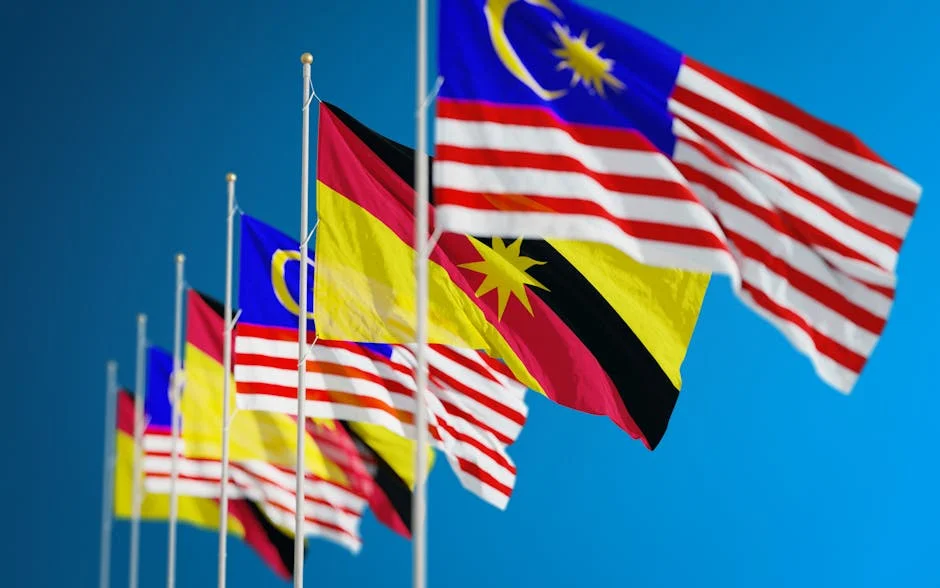
Market reaction has been swift but contained, suggesting that investors view this as a manageable shock rather than a systemic crisis. However, the volatility in the defence and aerospace sub-sector of the Kuala Lumpur Composite Index (KLSE) indicates deeper anxiety. Companies that rely on export stability to Norway or other European markets are now reassessing their risk premiums. This event highlights the fragility of cross-border defence contracts, which often span decades and involve complex political approvals. Investors must now factor in a higher “political risk” premium for Malaysian assets linked to European partners.
Financial Repercussions for Local Businesses

The economic implications of this scrapped deal extend far beyond the immediate loss of $1.7 billion in contract value. Local Malaysian firms that had secured sub-contracts for the project face potential liquidity crunches. These businesses, ranging from engineering workshops in Selangor to logistics providers in Penang, have already incurred upfront costs based on the expected cash flow from Norway. If the deal is not quickly renegotiated or replaced, these small and medium-sized enterprises (SMEs) may need to tap into credit lines, increasing their debt-to-equity ratios. This could lead to a tightening of credit conditions in the local manufacturing sector.
Supply Chain Disruptions in Key Sectors
The defence sector is highly integrated, meaning a disruption in one link affects the entire chain. For instance, the aluminium and steel suppliers in Johor, which had ramped up production for the Norwegian order, now face a surplus of inventory. This oversupply can drive down commodity prices locally, affecting profit margins for raw material exporters. Furthermore, the uncertainty may cause other international buyers to hesitate, fearing similar political interference. This “wait-and-see” approach can stall new investments, slowing down the capital expenditure cycle for Malaysian industrial firms. The ripple effect could be felt in the broader industrial output data for the upcoming quarter.
Investor Sentiment and Regional Competition
Investors are now comparing Malaysia’s defence procurement strategy with its neighbours, particularly Singapore and Indonesia. Singapore’s disciplined and transparent defence spending has historically attracted stable foreign investment, providing a benchmark for regional stability. In contrast, the current dispute raises questions about the predictability of Malaysia’s policy environment. This perception gap can influence where multinational corporations choose to base their regional headquarters. If Malaysia is seen as politically volatile, capital may flow towards more stable jurisdictions, impacting the broader Southeast Asian economic integration efforts. The Movement of Capital is sensitive to narrative, and the current narrative in Putrajaya is one of friction.
However, some market observers argue that this disruption could create opportunities for alternative suppliers. Companies from South Korea, Japan, and the United States may see an opening to capture market share left vacant by Norway. This shift could benefit local Malaysian partners who are flexible enough to pivot quickly. For instance, if Malaysia accelerates talks with the United States for F-35 jets, the associated service contracts could boost local aviation maintenance firms. This potential realignment of defence partnerships could lead to a restructuring of the local defence industrial base, creating winners and losers among listed companies. Investors should monitor announcements from major defence primes like Lockheed Martin and Samsung Thales for early signals of this shift.
Macroeconomic Indicators to Watch
The broader macroeconomic impact will depend on how quickly the Malaysian government can stabilize the situation. Key indicators to monitor include the trade balance, foreign exchange reserves, and the consumer confidence index. A prolonged dispute could lead to a slight depreciation of the Ringgit, making imports more expensive and potentially fueling inflation. This inflationary pressure would squeeze household disposable income, affecting retail sales and consumer spending. The Bank Negara Malaysia may need to intervene in the foreign exchange market or adjust monetary policy to cushion the economy. These policy responses will have direct implications for bond yields and equity valuations.
Additionally, the dispute highlights the importance of diversification in Malaysia’s export markets. Over-reliance on a few key partners can leave the economy vulnerable to sudden policy shifts. This event serves as a case study for other emerging markets in Southeast Asia, emphasizing the need for robust contractual frameworks and political risk insurance. Businesses operating in the region should review their exposure to bilateral agreements and consider hedging strategies. The financial sector, particularly insurance and reinsurance companies, may see increased demand for political risk coverage for cross-border projects. This trend could drive growth in the non-life insurance segment of the Malaysian financial market.
Strategic Implications for Future Deals
This incident is likely to influence how Malaysia structures future international contracts. The government may impose stricter clauses regarding political stability and dispute resolution mechanisms. These changes could make Malaysian projects more attractive to risk-averse investors but might also increase the initial cost of doing business. Companies bidding for future contracts will need to account for these additional costs in their financial models. This could lead to higher prices for public sector projects, potentially affecting the national budget deficit. The Ministry of Finance will need to balance the need for competitive bidding with the desire for contractual certainty.
Furthermore, the dispute may accelerate Malaysia’s efforts to develop its indigenous defence industry. Reducing reliance on foreign suppliers can enhance strategic autonomy and create long-term economic benefits. This industrial policy shift could attract venture capital and private equity investment into local defence tech startups. The growth of this sector could become a new engine for economic diversification, reducing dependence on traditional commodities like palm oil and crude oil. Investors interested in the long-term structural growth of Malaysia should pay close attention to government incentives for the defence manufacturing sector. This could include tax breaks, grants, and public-private partnership models.
What Investors Should Monitor Next
The next critical milestone is the official response from the Norwegian Ministry of Foreign Affairs and the subsequent parliamentary debates in both countries. Investors should watch for any announcements regarding compensation claims or the introduction of a new supplier. The timing of these developments will determine the duration of the market uncertainty. A quick resolution would limit the economic damage, while a prolonged legal battle could drain resources and distract policymakers. The reaction of the Kuala Lumpur Stock Exchange to these updates will provide real-time data on investor sentiment. Volatility indices in the region will likely spike during key announcement days, offering trading opportunities for agile investors.
Additionally, monitor the quarterly earnings reports of major Malaysian defence contractors for any provisions for doubtful debts related to the Norwegian deal. These financial disclosures will offer concrete evidence of the economic impact on the corporate sector. The performance of the Malaysian Ringgit against the Euro and the US Dollar will also serve as a barometer for broader market confidence. Finally, keep an eye on policy statements from the Bank Negara Malaysia regarding monetary policy adjustments. These forward-looking indicators will help investors navigate the evolving landscape and make informed decisions about their asset allocation in the Southeast Asian market.
See Also
- Nigeria Deploys 57,000 Troops to Secure Easter Celebrations
- Trump Threatens Iran, Oil Prices Waver Amid Tensions