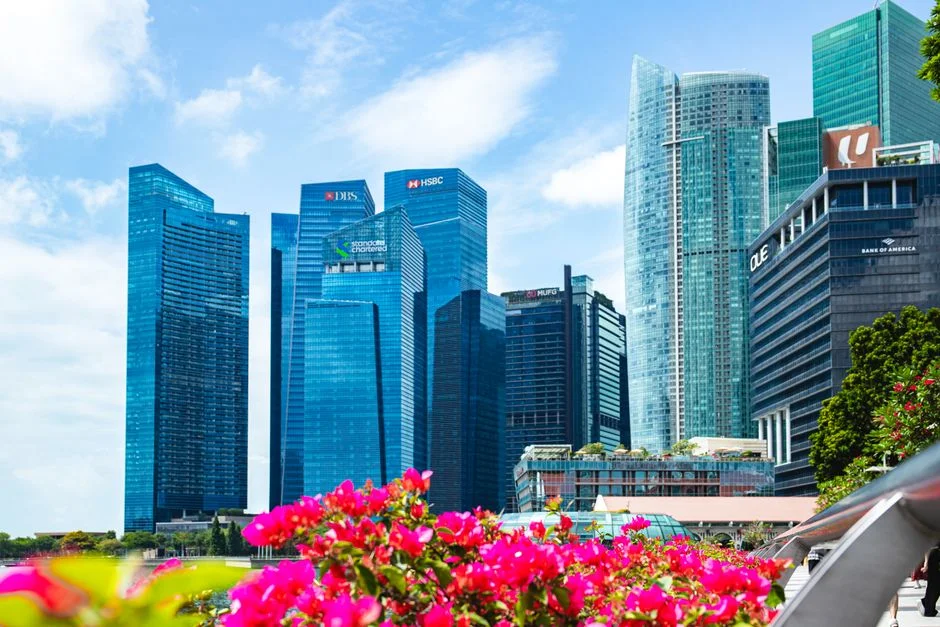
Singapore's blue-chip real estate investment trusts (REITs) are nearing five-year lows, with dividend yields hovering around 6%. This significant drop in price raises crucial questions for investors: Is this a buying opportunity or a sign of deeper troubles in the SG market?
Current Market Situation for REITs
As of October 2023, major Singapore REITs such as CapitaLand Integrated Commercial Trust and Mapletree Logistics Trust have seen their share prices fall sharply, leading to increased dividend yields. The current average yield for these blue-chip REITs is approximately 6%, which is considerably higher than the historical average of 4%. This situation has sparked interest among income-focused investors.

The decline in share prices can be attributed to various factors, including rising interest rates and increasing inflation, which have affected the entire property sector. Investors are questioning whether these yields are sustainable in the long term, given the economic pressures currently facing Singapore.
Understanding Dividend Yields

Dividend yield is a critical metric for investors, representing the annual dividend payment relative to the stock price. It serves as an indicator of an investment's income potential. For instance, a REIT with a share price of S$1.00 and an annual dividend of S$0.06 would have a dividend yield of 6%. This is appealing, especially in an environment where fixed-income returns are also experiencing pressure.
Understanding the dynamics of dividend yield is essential for investors, particularly in the current SG climate. High yields can indicate a potentially undervalued stock, but they can also reflect investor concerns about the underlying business's stability. The recent volatility raises questions about whether this yield is worth the risk.
Market Reactions and Investor Sentiment
The response from the SG market has been mixed. On one hand, the high yields are attracting investors looking for stable income; on the other hand, caution prevails among those worried about the economic environment and potential rate hikes. The Straits Times Index has also shown fluctuations, reflecting the uncertainty surrounding REITs.
Investor sentiment appears torn. Many are weighing the benefits of high yields against the backdrop of a potentially sluggish economy. Furthermore, rising interest rates could lead to higher borrowing costs for REITs, which could, in turn, impact their profitability and dividend payments.
Implications for Businesses
For businesses operating within the REIT sector, the current environment presents both challenges and opportunities. On one hand, the pressure of rising interest rates can increase financing costs. On the other hand, a focus on income-generating properties could attract a more stable investor base. Companies might need to adjust their strategies to remain appealing amid changing market dynamics.
Some REITs are already exploring diversification to mitigate risks associated with rising costs. Investing in sectors less susceptible to economic downturns, like logistics and data centres, may help cushion against the impacts of inflation and interest rate hikes.
What Investors Should Watch Next
Investors should closely monitor upcoming economic indicators and central bank policies that may influence interest rates. The Monetary Authority of Singapore’s next monetary policy decision will be critical for understanding future market conditions. As the economy continues to evolve, the stability of dividend yields from Singapore’s blue-chip REITs will hinge on broader economic trends.
In addition, potential regulatory changes affecting the property market could further impact REIT performance. Investors are advised to stay informed about these developments and consider their long-term investment strategies in light of current yield opportunities.
See Also
- US Sends Freedom Day Greetings to South Africa — Economic Ties in Focus
- Student Recalls Teacher Lost in Jhiram Massacre — Memory Of Shakes SG Markets
Investing in sectors less susceptible to economic downturns, like logistics and data centres, may help cushion against the impacts of inflation and interest rate hikes.What Investors Should Watch NextInvestors should closely monitor upcoming economic indicators and central bank policies that may influence interest rates. As the economy continues to evolve, the stability of dividend yields from Singapore’s blue-chip REITs will hinge on broader economic trends.In addition, potential regulatory changes affecting the property market could further impact REIT performance.
What is the latest news about singapore reits hit 5year lows are 6 yields tempting investors?
Why does this matter for economy-business?
What are the key facts about singapore reits hit 5year lows are 6 yields tempting investors?