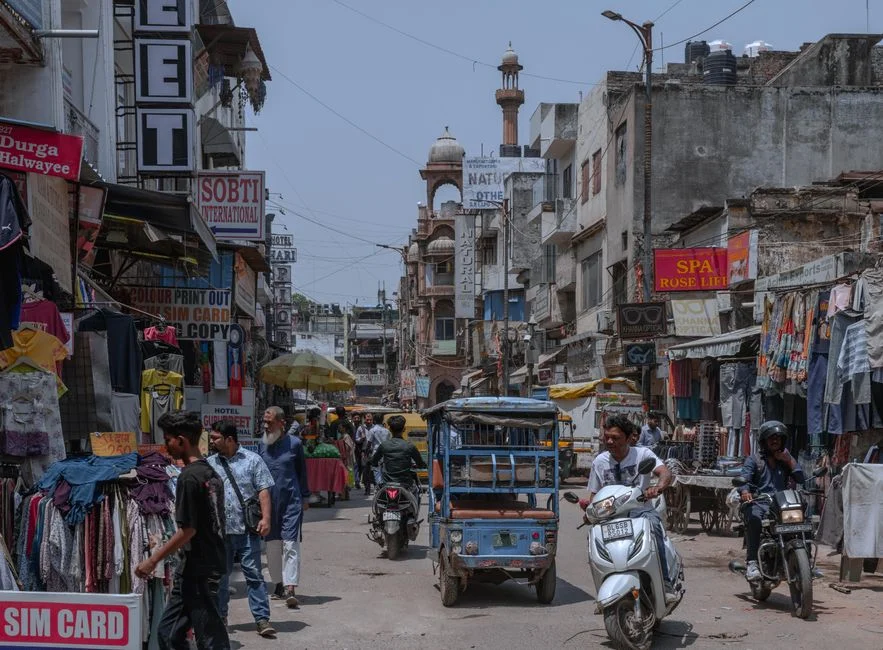
The political landscape in Uttar Pradesh, India’s most populous state, experienced a rare constitutional anomaly when two Chief Ministers served concurrently while the Governor exercised decisive executive power. This unusual arrangement in Lucknow has sent ripples through financial markets, highlighting the intricate link between political stability and economic performance in emerging economies. Investors are now scrutinizing how such administrative dualities influence policy continuity and fiscal discipline.
Constitutional Crisis in India’s Economic Powerhouse
Uttar Pradesh contributes significantly to India’s aggregate demand and manufacturing output. When governance structures become ambiguous, the immediate impact is often a hesitation among domestic and foreign investors. The simultaneous presence of two Chief Ministers created a vacuum in decision-making authority, forcing the Governor to step in with heightened sway over key administrative decrees. This scenario is not merely a political curiosity; it is a stress test for the state’s bureaucratic efficiency.
Market analysts in Singapore and Mumbai have noted that political uncertainty in large Indian states can lead to short-term volatility in sector-specific stocks. Infrastructure projects, which require swift approvals, often face delays when executive authority is shared or contested. The Governor’s increased role in Uttar Pradesh means that legislative bills and budgetary allocations might undergo more rigorous, and potentially slower, scrutiny before becoming law. This procedural slowdown can affect the timing of capital expenditure, a critical driver of state-level GDP growth.
Impact on Business Confidence and Investment Flows


Businesses operating in Uttar Pradesh rely on predictable regulatory environments to plan expansion and hiring. The constitutional ambiguity raises questions about the enforceability of contracts and the consistency of policy implementation. Companies in the manufacturing and logistics sectors, which are heavily concentrated in the state, may delay capital expenditures until the political structure stabilizes. This caution can have a multiplier effect on the local economy, impacting everything from real estate to consumer goods distribution.
Regulatory Uncertainty and Corporate Strategy
The uncertainty surrounding executive authority can lead to a “wait-and-see” approach among corporate leaders. Firms may hold off on signing new long-term leases or launching major marketing campaigns until the governance structure is clarified. This hesitation can slow down the pace of economic activity, particularly in sectors that are sensitive to government contracts and subsidies. The Governor’s intervention, while stabilizing in the short term, may not fully alleviate concerns about long-term policy coherence.
Foreign direct investment (FDI) flows into India are often influenced by state-level governance quality. Investors from countries like Singapore and the United States monitor political stability in key states such as Uttar Pradesh, Maharashtra, and Tamil Nadu. Any perception of instability can lead to a re-pricing of risk, potentially increasing the cost of capital for businesses operating in the region. This can make Indian assets less attractive compared to other emerging markets with more stable political environments.
Market Reactions and Sectoral Impacts
Financial markets in India reacted with cautious optimism to the Governor’s assertion of authority. The Indian Rupee experienced minor fluctuations against the US Dollar as traders digested the political news. Stock exchanges in Mumbai saw mixed performance, with infrastructure and real estate stocks showing slight declines due to anticipated delays in project approvals. However, consumer goods and banking sectors remained relatively resilient, suggesting that the crisis has not yet severely impacted household spending or credit growth.
The bond market also reflected the underlying tension. State development loans (SDLs) issued by Uttar Pradesh may see a slight increase in yield as investors demand a higher premium for political risk. This can increase the borrowing costs for the state government, potentially affecting its ability to fund infrastructure projects and social welfare programs. Credit rating agencies are likely to monitor the situation closely, with potential implications for the state’s credit rating and future borrowing capacity.
Broader Implications for India’s Economy
Uttar Pradesh is a critical component of India’s economic narrative. Its political stability has direct implications for the national economy, influencing everything from agricultural output to industrial production. The current constitutional anomaly serves as a reminder of the importance of clear lines of authority in governance. For India, maintaining political coherence in its largest state is essential for sustaining economic momentum and attracting sustained foreign investment.
The situation also highlights the role of the Governor in Indian federalism. While the Governor is typically a ceremonial head of the state, the current crisis has thrust the office into a more active executive role. This shift could set a precedent for future political crises, potentially altering the balance of power between the elected legislature and the appointed Governor. Such changes can have long-term effects on the democratic process and the efficiency of state-level governance.
Investment Perspective for Global Investors
Global investors, including those in Singapore, should view this development as a case study in political risk management. Diversification across different Indian states can help mitigate the impact of state-specific political shocks. Investors should also pay close attention to the duration of the crisis and the steps taken by the Governor to restore normalcy. A quick resolution would likely minimize the negative impact on markets, while a prolonged uncertainty could lead to more significant economic disruptions.
The current situation underscores the importance of monitoring political developments in emerging markets. While India’s macroeconomic fundamentals remain strong, political stability at the state level can influence short-term market performance. Investors should stay informed about the latest developments in Uttar Pradesh and adjust their portfolios accordingly. This proactive approach can help capitalize on opportunities while managing risks associated with political uncertainty.
What to Watch Next
The coming weeks will be crucial in determining the long-term impact of this political anomaly. Investors should monitor the legislative agenda in Uttar Pradesh, particularly the passage of the state budget and key infrastructure bills. The Governor’s decisions on these matters will provide insights into the direction of state policy and the stability of the executive authority. Additionally, market participants should watch for any announcements from the central government in New Delhi regarding the political situation in Uttar Pradesh.
See Also
- Zhang Linghe Forces Live Event Online After Fan Frenzy at SG Mall
- Air India Cancels International Flights — Singapore Travelers Face Immediate Chaos
However, consumer goods and banking sectors remained relatively resilient, suggesting that the crisis has not yet severely impacted household spending or credit growth. A quick resolution would likely minimize the negative impact on markets, while a prolonged uncertainty could lead to more significant economic disruptions.
What is the latest news about up political crisis triggers market jitters?
Why does this matter for sports?
What are the key facts about up political crisis triggers market jitters?