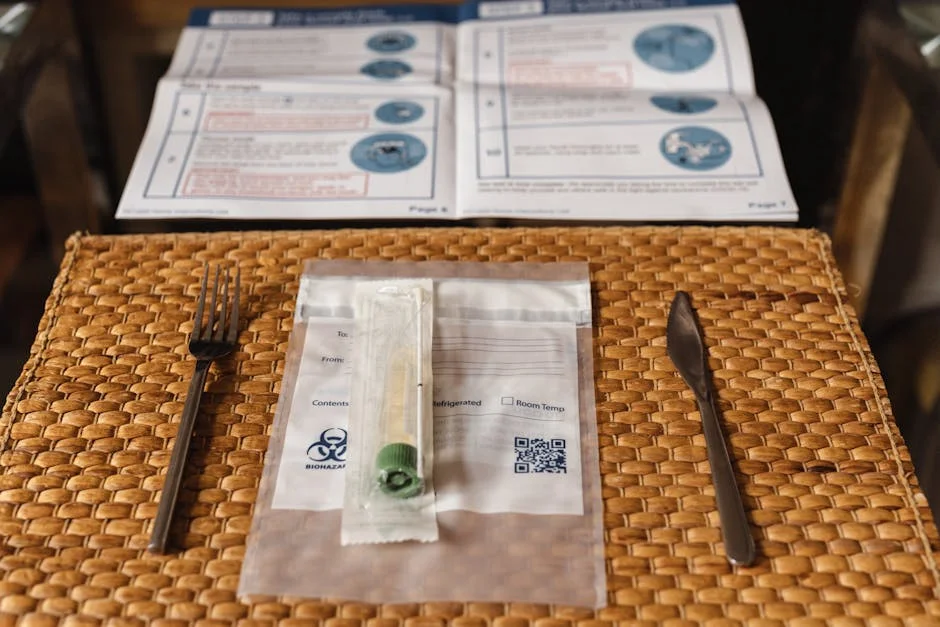
Singapore residents aboard the MV Hondius have officially tested negative for hantavirus, providing immediate relief to families and businesses monitoring the health crisis. The Ministry of Health confirmed the results on Tuesday, marking a critical turning point in the ongoing investigation into the ship's sanitary conditions. This development directly impacts investor sentiment regarding the maritime and hospitality sectors in Singapore.
The confirmation of negative results for the two Singaporeans reduces the immediate risk of a wider outbreak on the island. Markets, which had grown jittery over potential quarantine extensions, are expected to stabilize as the threat of a broader health emergency diminishes. Investors can now focus on the operational recovery of the MV Hondius and its parent company, Seabourn.
Health Update and Official Confirmation

The Ministry of Health (MOH) released the test results after conducting rigorous screening procedures. The two Singaporean passengers had been under close medical observation since the initial reports of symptoms emerged. Their negative status is a crucial data point for epidemiologists tracking the spread of the virus on board.
Health officials emphasized that while the immediate threat to these specific individuals has passed, monitoring continues for other passengers. The MOH has stated that the ship remains in Singapore for further decontamination and health checks. This approach ensures that any latent cases are identified before the vessel resumes its global cruise itinerary.
The clarity provided by the MOH helps mitigate uncertainty in the local health sector. Hospitals and clinics that had prepared for potential influxes of patients can now adjust their staffing and resource allocation. This efficiency reduces overhead costs for healthcare providers in the region.
Market Reaction and Investor Sentiment


Financial markets reacted positively to the news, with shares in related maritime logistics firms seeing a modest uptick. The initial fear of a prolonged quarantine had weighed on investor confidence, leading to cautious trading volumes. The negative test results have helped restore some of that lost confidence.
Analysts note that the cruise industry is highly sensitive to health scares. A single confirmed case can lead to passenger cancellations and increased insurance premiums. The fact that the Singaporeans tested negative means that Seabourn may face fewer immediate financial penalties or compensation claims from this specific incident.
Investors are now looking at the broader implications for the cruise sector in Asia. The MV Hondius incident has highlighted the importance of robust health protocols. Companies that demonstrate strong sanitary measures may see a competitive advantage in attracting risk-averse travelers.
Business Implications for the Cruise Industry
The MV Hondius, a luxury cruise ship, faced significant operational disruptions due to the health scare. The ship had to dock in Singapore earlier than planned, leading to changes in its itinerary. These changes can result in additional fuel costs and port fees for the operator.
Seabourn, the operator of the MV Hondius, must now focus on reputational management. The company needs to communicate effectively with passengers and stakeholders to reassure them of the ship's safety. This involves transparent reporting and potentially offering incentives for future bookings.
Operational Challenges and Cost Management
The unexpected docking in Singapore has created logistical challenges for the crew and passengers. Some passengers may have needed to extend their stay in Singapore, affecting local hotel and retail sectors. This sudden influx of tourists can provide a short-term boost to the local economy.
For Seabourn, the cost of the health crisis includes medical expenses, decontamination efforts, and potential legal fees. These costs can impact the company's quarterly earnings. Investors will be watching to see how Seabourn absorbs these costs without significantly affecting its dividend payouts.
The cruise industry must also consider the long-term impact on passenger confidence. Travelers may become more cautious about booking cruises in the aftermath of health scares. Companies will need to invest in marketing and health transparency to win back these customers.
Economic Impact on Singapore
Singapore's economy benefits from the cruise industry through port fees, local tourism, and employment. The MV Hondius incident has had mixed effects on these areas. While the health scare caused some uncertainty, the extended stay of passengers has provided a boost to local businesses.
Local hotels, restaurants, and retail stores in the Marina Bay area saw increased foot traffic as passengers explored the city. This spontaneous tourism has helped offset some of the economic uncertainty caused by the health crisis. Small businesses in particular have benefited from the immediate spending power of the cruise passengers.
However, the incident also highlights the vulnerability of Singapore's tourism sector to external health shocks. The government may need to enhance its health screening protocols for incoming cruise ships. This could involve additional investments in health infrastructure and technology.
Investment Perspective and Future Outlook
From an investment perspective, the resolution of the hantavirus scare is a positive signal for the maritime sector. Investors can now reassess the risk profile of cruise companies operating in the Asia-Pacific region. The negative test results reduce the likelihood of a widespread health emergency that could disrupt operations.
Long-term investors should monitor how Seabourn and other cruise lines adapt to this incident. Companies that proactively improve their health protocols may see increased market share. This could lead to better financial performance and higher returns for shareholders.
The incident also serves as a reminder of the importance of diversification in the cruise industry. Relying on a single region or market can expose companies to localized risks. Diversifying routes and destinations can help mitigate the impact of future health scares.
What to Watch Next
The next critical step is the completion of the full decontamination of the MV Hondius. Health officials will announce the final health status of the ship before it resumes its voyage. This announcement will provide further clarity for passengers and investors alike.
Investors should also watch for any updates from the Ministry of Health regarding other passengers on board. While the two Singaporeans have tested negative, the health status of the rest of the crew and passengers remains under review. Any new cases could reignite market uncertainty.
The cruise industry will also be monitored for any policy changes in response to the incident. Governments may introduce new health requirements for cruise ships, which could impact operational costs and efficiency. Staying informed about these regulatory changes will be crucial for stakeholders in the sector.
See Also
- Singapore COVID-19 Surge Hits Business Operations — Here Is The Data
- New Zealand's Nacho and Trixie Show How Endangered Species Became a $50M Tourism Asset
What is the latest news about singaporeans on mv hondius test negative for hantavirus?
Why does this matter for health-medicine?
What are the key facts about singaporeans on mv hondius test negative for hantavirus?