China has officially unveiled its fifth-generation stealth fighter jet, marking a pivotal moment in Asian military aviation. The People’s Liberation Army Air Force (PLAAF) confirmed the aircraft's operational readiness during a ceremonial flyover in Beijing. This development signals an immediate shift in regional defence procurement strategies, with Pakistan positioned as the primary export customer.
Strategic Implications for Pakistan’s Defence Budget
The introduction of the new stealth fighter places immediate pressure on Pakistan’s defence spending. Islamabad must now allocate substantial funds to integrate this advanced technology into its air force. This financial commitment will likely divert resources from other critical sectors, including infrastructure and education. The economic burden of maintaining a fifth-generation fleet is considerable for an emerging market economy.
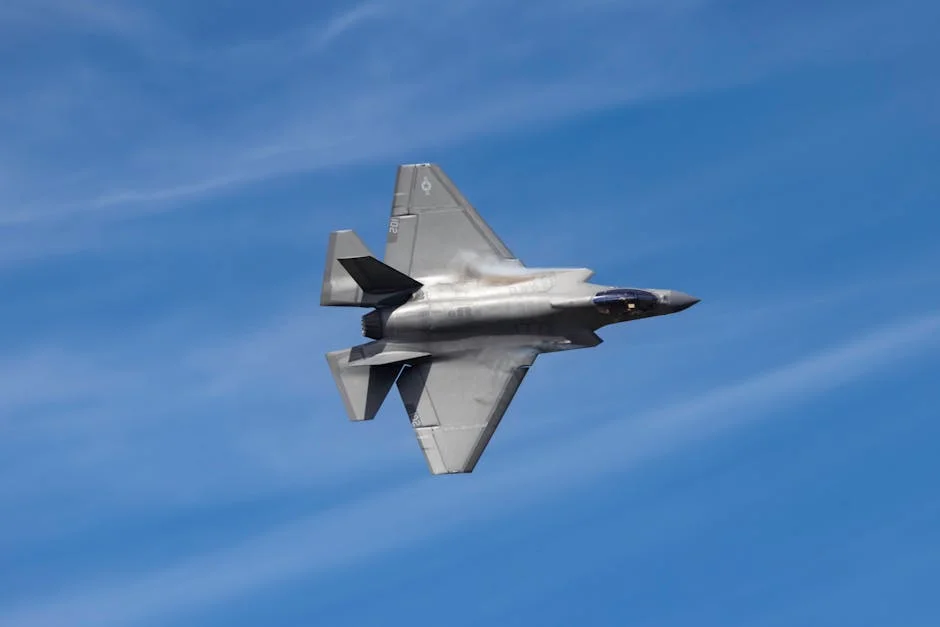
Pakistan’s current defence budget already consumes a significant portion of its annual GDP. The addition of stealth fighters will increase this share, potentially affecting the country’s fiscal stability. Investors monitoring Pakistan’s economic health should watch for changes in the debt-to-GDP ratio. The government may need to secure additional foreign loans to finance the acquisition.
The deal also strengthens the strategic alliance between Islamabad and Beijing. This geopolitical alignment influences how other regional powers perceive Pakistan’s military capabilities. India, Pakistan’s primary neighbour and rival, will likely accelerate its own procurement plans. This dynamic creates a ripple effect across the South Asian defence market.
Market Reactions and Investment Opportunities


The defence sector in both China and Pakistan is poised for growth. Chinese aerospace companies will see increased revenue from production and export deals. Investors should monitor listed defence contractors in Shanghai and Beijing for stock price movements. The visibility of the new jet enhances the brand value of Chinese aerospace manufacturers.
For Singapore-based investors, this development offers indirect opportunities. Singapore has a robust defence industry that often collaborates with Asian partners. Companies involved in avionics, engines, and maintenance services may benefit from the expanding regional market. The integration of Pakistani and Chinese defence systems could create demand for third-party components.
The currency markets may also react to these developments. A stronger defence alliance might stabilize the Pakistani Rupee if investors view the partnership as a source of economic support. Conversely, increased military spending could lead to higher inflation in Pakistan. Traders should keep a close eye on the Rupee-Dollar exchange rate in the coming weeks.
Economic Risks for Pakistan
Increased military expenditure carries inherent economic risks for Pakistan. The opportunity cost of buying stealth fighters is high. Funds spent on aircraft could otherwise be used to improve power infrastructure or expand the middle class. These sectors are crucial for long-term economic growth and stability.
Inflation remains a pressing concern in Pakistan. If the government prints money to pay for the jets, the purchasing power of the average citizen will decline. This could lead to social unrest, which in turn affects business confidence. Investors need to weigh the strategic benefits against these potential economic downsides.
The balance of payments could also come under pressure. Importing high-tech aircraft requires a steady flow of foreign currency. Pakistan’s reserves are often volatile, depending on remittances and oil prices. A large defence purchase could deplete these reserves, making the economy more vulnerable to external shocks.
China’s Aerospace Industry Expansion
China’s aerospace industry is leveraging this new fighter to expand its global footprint. The success of the fifth-generation jet demonstrates China’s technological maturity. This achievement challenges the long-standing dominance of American and European manufacturers. Chinese firms are now viable competitors in the high-end fighter market.
The production of these jets will boost employment in Chinese manufacturing hubs. Cities like Chengdu and Shenyang, which are home to major aerospace plants, will see economic activity. This localised growth contributes to China’s broader economic strategy of moving up the value chain. The shift from labour-intensive to tech-intensive industries is evident in this deal.
Chinese suppliers of raw materials and components will also benefit. The supply chain for stealth fighters is complex and extends deep into the domestic economy. Aluminium, titanium, and advanced composites are in high demand. This increased demand supports various sectors, from mining to chemical processing.
Regional Geopolitical Shifts
The deployment of Chinese stealth fighters in Pakistan alters the regional balance of power. India is likely to respond by accelerating its own procurement of Russian and American jets. This arms race increases defence spending across South Asia, creating a larger market for global defence giants. The competition between India and Pakistan drives innovation and pricing dynamics in the sector.
For the Middle East, this development offers a new option for diversification. Countries like Saudi Arabia and the United Arab Emirates are looking to reduce their reliance on American equipment. A proven Chinese stealth fighter could attract interest from these wealthy Gulf states. This would further integrate the Middle Eastern and Asian defence markets.
The strategic depth provided by Pakistan to China is also significant. The jets allow China to project power closer to the Indian Ocean. This enhances China’s ability to secure its trade routes, which are vital for its economic growth. The economic implications of securing these sea lanes are profound for global trade.
Impact on Singapore’s Defence Posture
Singapore’s defence strategy is directly influenced by these regional shifts. The city-state relies on a mix of American, British, and European equipment to maintain flexibility. The rise of Chinese military technology in the region prompts Singapore to evaluate its own procurement choices. Diversification remains a key strategy to avoid over-reliance on a single supplier.
The Singapore Armed Forces (SAF) may increase investments in air superiority and stealth technology. The success of the Chinese jet highlights the importance of stealth in modern air combat. Singapore might accelerate the integration of its own F-35 fighters or explore additional partnerships. This ensures that the SAF remains technologically competitive in the region.
Defence contractors in Singapore will need to adapt to this changing landscape. Local companies may seek partnerships with Chinese or Pakistani firms to capture a share of the growing market. Collaboration on maintenance, repair, and overhaul (MRO) services could be a lucrative avenue. Singapore’s strategic location makes it an ideal hub for regional defence logistics.
Future Outlook and Key Indicators
The next few months will be critical in assessing the economic impact of this deal. Investors should monitor Pakistan’s quarterly economic reports for signs of fiscal strain. Any increase in the defence budget will be a clear indicator of the financial commitment. These reports will provide insights into how the government balances military and economic priorities.
Stock performance of Chinese aerospace companies will also serve as a market barometer. Positive earnings reports would confirm the commercial viability of the new jet. Conversely, any delays or cost overruns could signal challenges in the production line. Investors should watch for quarterly earnings announcements from key players like Chengdu Aircraft Industry Group.
Regional diplomatic developments will further shape the market environment. Announcements from India regarding its own fighter procurement will indicate the pace of the regional arms race. Singapore’s defence white paper updates may also reflect changes in strategic thinking. Keeping track of these indicators will help investors and businesses navigate the evolving landscape.
See Also
- Sophie Devine Forces England's Cricket Economy To Rebound
- Australia Giant Squid Discovery Triggers Deep-Sea Market Surge
Future Outlook and Key Indicators The next few months will be critical in assessing the economic impact of this deal. The success of the Chinese jet highlights the importance of stealth in modern air combat.
What is the latest news about china unveils stealth jet pakistan deal shifts asian defence markets?
Why does this matter for sports?
What are the key facts about china unveils stealth jet pakistan deal shifts asian defence markets?